

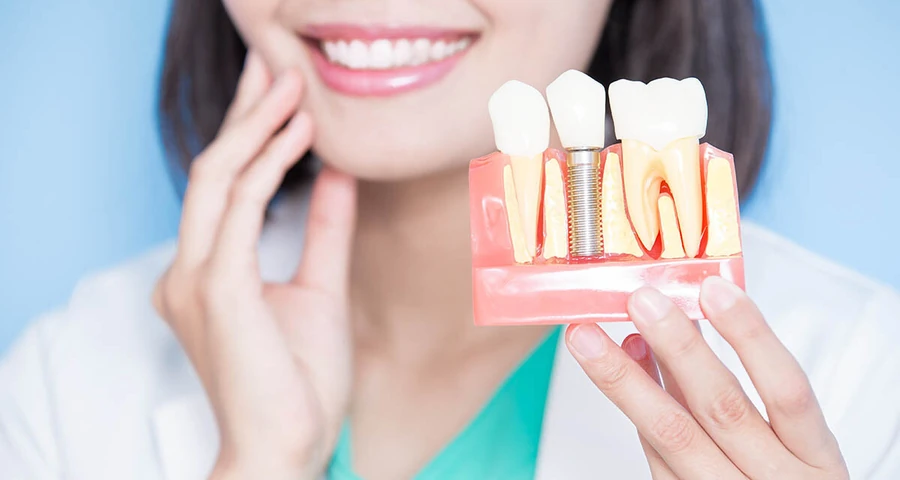
Are you worried about missing teeth or having ongoing dental problems that affect your life? Tooth loss is a common issue for many people around the world.
The good news is that new dental implant technology provides a lasting solution that looks natural. Dental implants can greatly help your oral health, improve your ability to chew and speak, and boost your quality of life.
Let’s look at 8 signs that you need dental implants.
💡 Quick Implant Facts 🏥
| ❓ Question | ✅ Answer |
|---|---|
| Why choose dental implants over dentures? 🤔 | Implants are fixed, natural-looking, and improve chewing & speaking. 🦷 |
| How do I know if I need implants? 🔍 | Signs include missing teeth, pain, loose dentures, or difficulty chewing. 🍽️ |
| What is the 3/2 rule in dental implants? 📏 | Implants need at least 3mm bone width & 2mm height for stability. 🏗️ |
| How long do dental implants last? ⏳ | With proper care, they can last a lifetime! 🏆 |
| Are there alternatives to dental implants? ⚖️ | Yes, bridges & dentures are options, but implants are more durable. 🔄 |
Key Takeaways
- Missing teeth or gaps in your smile can significantly impact your oral health and self-esteem.
- Difficulty chewing, speaking, or wearing dentures are telltale signs you might need dental implants.
- Persistent pain, loose teeth, and receding gums should never be ignored and require immediate attention.
- Dental implants offer a long-lasting and natural-looking solution to restore your smile and oral function.
- Consult a dental professional to determine if dental implants are the right option for your specific needs.
8 Signs Indicating the Need for Dental Implants

Living with missing teeth or having dental problems can hurt your confidence and affect your quality of life. If you ignore these issues, they might lead to bigger dental problems later. It’s important to notice early signs so you can get treatment on time and make good choices about your oral health.
This guide will share eight important signs that show dental implants might be the best way to bring back your smile and ensure your oral health lasts.
1. Missing One or More Teeth

The most noticeable sign that you might need a dental implant is having one or more missing teeth. If you have lost a tooth because of injury, decay, or gum disease, a dental implant can fill the gap. This can help make your smile look good and work better.
When you leave a missing tooth untreated, it can harm your bite. You may find it hard to chew, and nearby teeth might shift out of place. Also, the spot where the tooth is missing may experience bone loss.
This can weaken your jawbone structure. A dental implant replaces the missing tooth root, helping to stimulate bone growth and stopping further loss.
2. Difficulty with Chewing or Speaking Clearly
If you find it hard to chew your food or speak clearly, it may mean you need dental implants. Missing teeth can make it tough for your mouth to bite and chew right.
This can cause you to have certain foods that you can’t eat, lead to stomach discomfort, and may create problems with getting the right nutrients over time.

Also, having missing teeth can change how you talk, making it hard to say some words or sounds clearly. Dental implants work like natural teeth. They help you chew a wider range of foods easily and speak confidently without slurring or mumbling.
3. Persistent Dental Pain or Infection
Persistent dental pain or ongoing infections are serious problems you should not ignore. Some dental issues can be fixed with fillings, crowns, or root canal therapy. However, some cases need more serious treatment.
For example, if you have a severely damaged tooth, a bad infection, or a lot of decay, an extraction may be needed.
After a tooth extraction, getting a dental implant can give you a stable foundation for a dental crown. This replaces the missing tooth. It also stops the nearby teeth from moving, which helps keep your bite healthy and prevents other dental issues.
4. Loose Teeth or Ill-Fitting Dentures
Loose teeth or poorly fitting dentures can make eating and speaking difficult. They can also cause discomfort. Loose teeth often mean you might have advanced gum disease.

This condition weakens the bones and tissues that support your teeth. Dental implants can help. They provide a stable foundation for replacement teeth, improving functionality and helping to prevent further tooth infection.
If your dentures are uncomfortable, slip, or cause sores, dental implants offer a better, more permanent fix. Implant-supported dentures attach securely to the jawbone. This means you won’t need messy adhesives, and you will enjoy greater stability.
5. Noticeable Bone Loss in the Jaw Area
The jawbone is very important for keeping your facial structure and supporting your teeth. When you lose teeth, the jawbone doesn’t get enough stimulation from chewing and biting in that area. This can lead to bone loss.
Bone loss can change the way your face looks, creating a sunken appearance around the mouth. It can also make you look older than you are.
Dental implants act like artificial tooth roots. They help stimulate bone growth. This protects the jawbone and keeps your natural facial structure.
6. Receding Gums Around Your Teeth
Receding gums can be a sign of gum disease. This condition can expose the roots of your teeth, which makes them more likely to have decay and be sensitive. If gum disease is not treated, it can harm the tissues and bones that support your teeth. This can possibly lead to tooth loss.
It is important to address gum disease. Dental implants can help by replacing lost teeth and restoring your gumline. Receding gums can affect how your smile looks and make you feel insecure.
By using dental implants along with taking care of your gums, you can improve gum health and bring back your confident smile.
7. Shifting Teeth
Have you seen your teeth moving or changing position? Shifting teeth often happen if you are missing teeth. This can cause issues with your bite, make it hard to chew, and create an uneven smile. Gaps in your smile can cause nearby teeth to tilt or move into those open spaces, affecting how your bite lines up.
Dental implants play an important role. They serve as placeholders and stop other teeth from shifting. They help keep the space you need for good oral health.
If you notice your teeth shifting, it’s important to address the issue quickly. This can help avoid more problems like jaw pain, headaches, and trouble chewing.
8. Facial Sagging or Premature Aging
Facial sagging or early aging can happen when you have missing teeth. This leads to bone loss, resulting in a sunken appearance. Dental implants can help improve your facial structure and stop further damage.
If you fix dental problems quickly, like tooth loss and bone density loss, you can keep good health and improve your overall quality of life. Think about getting dental implants as a long-term solution to prevent facial sagging and stay looking youthful.
Conclusion
If you notice any 8 signs that you need dental implants, it’s important to care for your oral health. Dental implants can bring back your smile and help you eat properly.
Don’t ignore problems like missing teeth or bone loss. By acting quickly, you can improve your oral health, boost your confidence, and feel better overall.
If you have questions about dental implants or want to learn more about your options, our experts are ready to help you. Don’t wait – start your journey to a healthier and happier smile today.
Also Read: Top 5 Refreshing Lemon San Diego Cocktails to Sip Now!
Frequently Asked Questions
1. What makes dental implants a preferred option over dentures?
2. Is it better to keep your teeth or get implants?
3. How do I know if I need a dental implant?
4. What is the 3/2 rule for dental implants?
5. How to fix missing teeth without implants?
6. Which implant is best for teeth?
7. What are the common signs that indicate a need for dental implants?
8. How do missing teeth impact oral health and overall well-being?
9. What is the process of getting dental implants?
Your dentist will help you at each step. He or she will answer your questions and make sure the experience is easy for you.