
You know, it’s oddly comforting how many people whisper the same anxious thought after a wisdom tooth extraction or any kind of tooth extraction: What if I can’t get food out of extraction site? I’ve been there too — that awkward moment when you feel something tiny stuck back there, and your brain goes straight to dry socket panic, or that unpleasant taste you swear wasn’t there yesterday.
Maybe it’s just a soft-food diet mishap… maybe it’s rice (it’s always rice), but either way, you’re suddenly hyperaware of this little pocket where your gum tissue is still trying to get its act together.
And honestly, this whole healing process is strange. There’s the blood clot that forms like a kind of natural shield, the tenderness around the surgical site, the whole “don’t spit, don’t swish, don’t suck” routine, and that vague worry that your oral surgeon gave you aftercare instructions you’re desperately hoping you’re following correctly.
Sometimes you do everything right — the salt water rinses, the careful chewing on the opposite side — and still, some stubborn food particles wiggle into the extraction socket. It’s not usually dangerous, but it feels alarming when you don’t know what’s normal.
So this guide is really about walking you through that stress with a calmer voice. You’ll get 10 practical, gentle methods to What if i can’t get food out of extraction site, along with a few prevention techniques, and a soft reminder to give yourself a little grace. Healing isn’t linear. And sockets… well, they take their sweet time.
What if I can’t get food out of extraction site
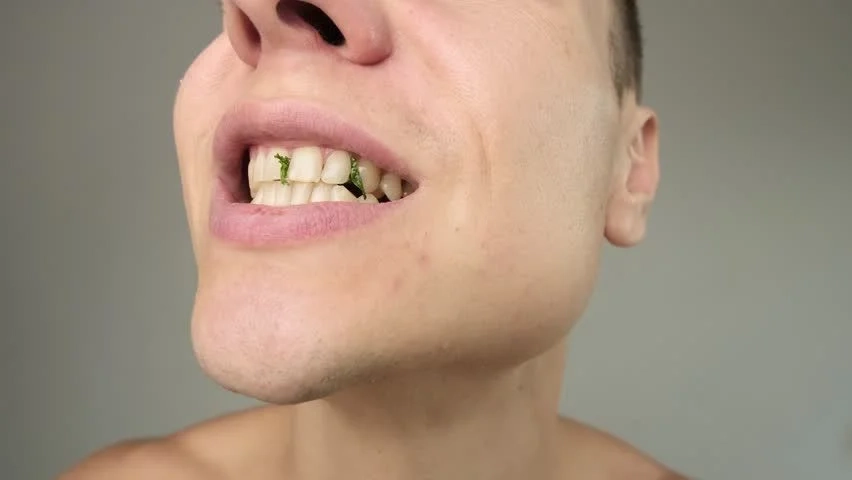
It’s weird, right? How something as small as a sesame seed can suddenly feel like a boulder in your mouth. But there’s a pretty straightforward reason this happens, especially after Wisdom Teeth Removal, surgical removal of impacted wisdom teeth, or even a simple dental extraction. And maybe… knowing the “why” eases the worry a bit.
How the Extraction Socket Heals (Day-by-Day Progression)
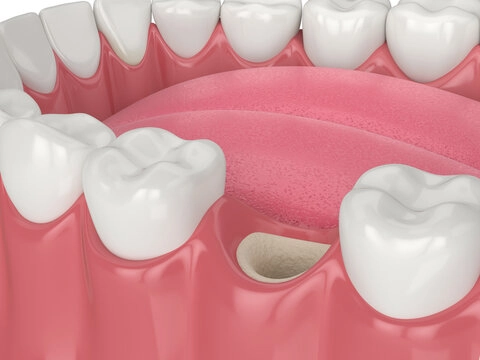
The early days after oral surgery are basically a whirlwind of biological activity inside that little tooth socket:
- Day 1–2: Blood clot forms.
This is the body’s temporary bandage. It protects the exposed bone and blood vessel network, and it’s the main reason dentists warn about dry socket — that clot is precious. - Day 3–7: Tissue regeneration starts.
Soft gum tissue begins creeping over the extraction sockets, but it doesn’t seal yet. Think of it like a small cave closing very, very slowly. - Week 2–3: Partial socket closure.
The gum flap tightens, swelling decreases, jaw movement feels easier, and the socket gets shallower — but it’s still pretty open. - Weeks 4–6+: Bone remodeling phase.
This takes the longest. The body fills in the deeper spaces, especially after surgical removal or bone grafting.
During that “pocket phase,” food impaction is practically inevitable. It’s not a sign of gum disease or tooth decay — it’s just anatomy mixed with timing.
Why Food Debris Becomes Trapped
If you’re on a soft diet, you’d think food wouldn’t get stuck… but soft foods can be sneaky. So, What if i can’t get food out of extraction site?
Here’s why debris hangs out in the surgical site:
- Soft-food diets compress easily, so mashed potatoes and bananas sneak into deeper pockets.
- You can’t rinse properly during the first 24 hours, so food particles settle quietly.
- Swelling reduces natural water movement, making the area harder to flush clean.
- The cavity is deeper than you think, especially with Third Molars or an impacted tooth.
A small internal note here: It’s completely normal — and honestly expected — for some food to lodge in your wisdom tooth hole. Most of the time it doesn’t cause delayed healing unless you poke it, over-rinse, or use too much force.
I. Tip #1: Rinse with Warm Salt Water (After 24 Hours)
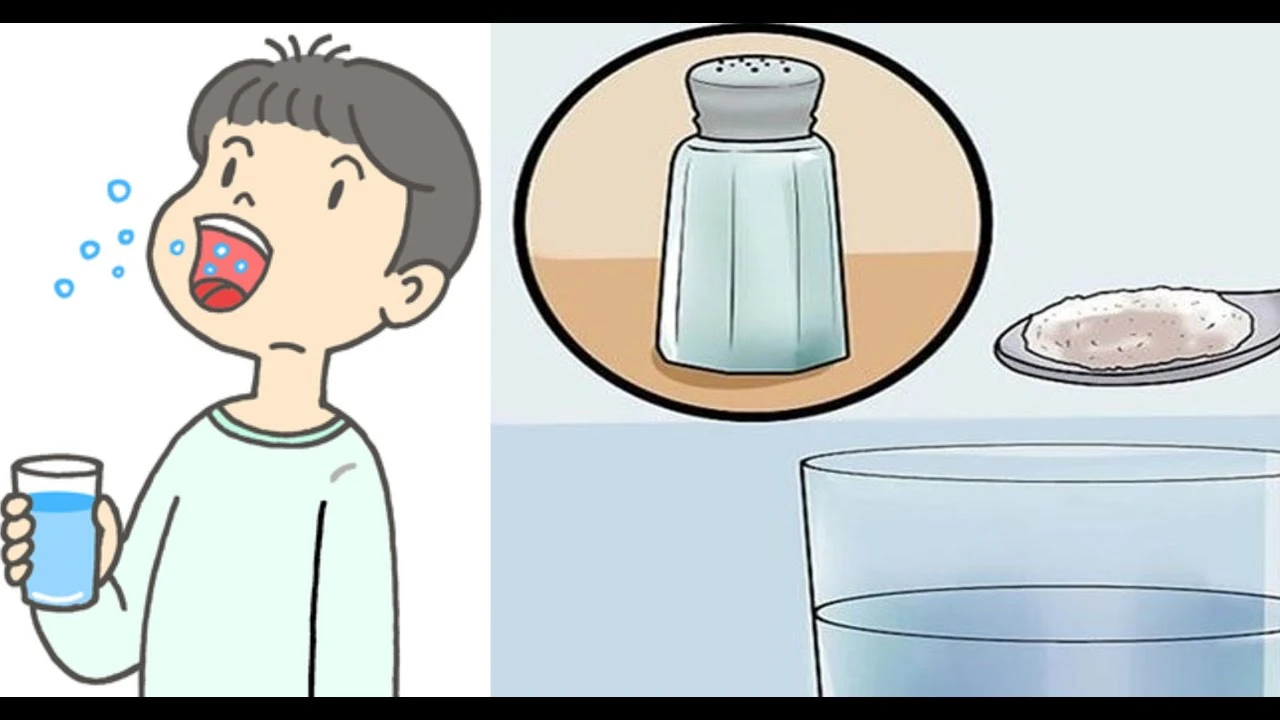
It’s funny how something as simple as warm salt water becomes your best friend after a tooth extraction. I remember standing over the sink thinking, Is this really doing anything? And then, suddenly realizing later that it genuinely helps loosen debris without upsetting that fragile blood clot.
Maybe you’ve had the same moment — that slightly unsure “okay… here goes nothing” before your first real rinse after surgery. Especially when you’re wondering What if I can’t get food out of extraction site and nothing seems to budge.
But warm salt water really is one of the safest ways to deal with food stuck in the extraction socket, especially once that first 24-hour window has passed. You’re basically working with nature here: saline solution, gentle movement, and a method that supports the healing process instead of rushing it.
Why Salt Water Works (Science-Backed)
Here’s why this simple mixture helps so much after wisdom tooth extraction or any surgical procedure:
- Reduces bacteria without being harsh like some medicated rinses.
- Loosens food particles so they can float out instead of clinging to gum tissue.
- Soothes inflammation around the surgical site.
- Promotes tissue healing, especially for extraction sockets that are still open.
It also helps reduce the chances of gum disease and that unpleasant taste or bad breath that sometimes shows up when food particles sit too long.
How to Rinse Safely Without Dislodging the Clot
The trick is in the gentleness — truly.
Here’s what works best:
- Use warm water, not hot. Think “tea that sat for five minutes.”
- Dissolve ½ teaspoon of salt into a cup of water.
- Hold it on the side of the surgical site.
- Let it just… sit there. No swishing.
- Then tilt your head slightly and let the saline rinse glide through the tooth socket.
- Repeat 2–3 times after meals.
PRO TIP: If you’re nervous about messing up the clot:
Just tilt your head and let gravity rinse for you.
It feels almost passive, but it’s incredibly effective.
A lot of people are surprised by how well this alone works, especially if they were panicking about food stuck earlier.
II. Tip #2: Use a Dental Irrigation Syringe (When Approved by Your Dentist)
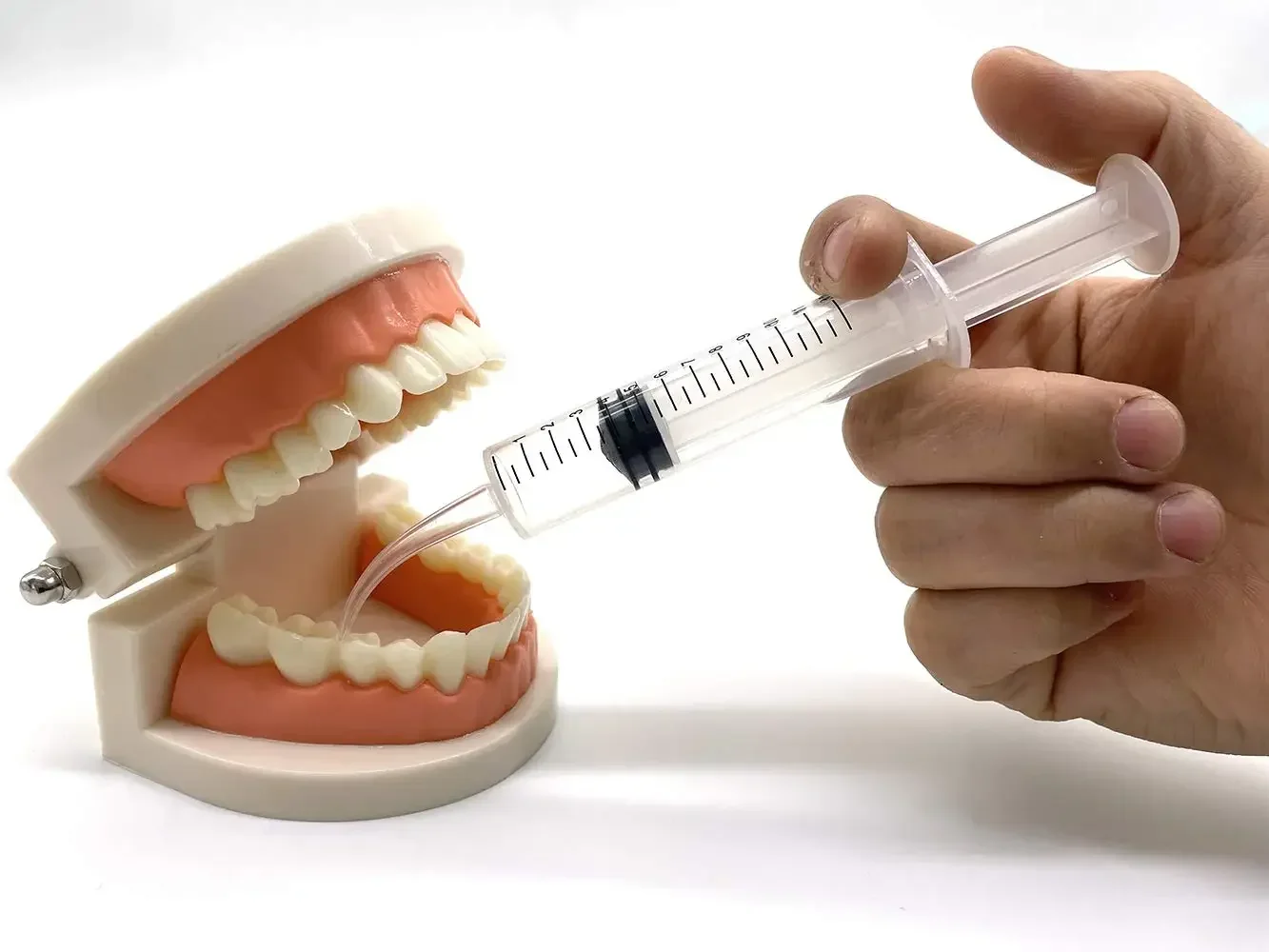
This one feels a little more “technical,” and honestly, the first time you try it, you might hesitate — I did. Holding that little plastic syringe near a wisdom tooth hole feels like operating tiny machinery in your mouth. And if you’re already worried, thinking What if I can’t get food out of extraction site, this step can feel even more intimidating at first.
But once your oral surgeon or dental professional gives you the green light (usually after 5–7 days, depending on healing time, type of surgical removal, and whether you had impacted wisdom teeth), it becomes one of the most reliable ways to gently remove food impaction.
A dental syringe — sometimes given during post-extraction care or picked up from a local pharmacy — lets you direct a soft stream of warm water right where you need it. Not aggressively, not like an air-water syringe at the dentist’s office… but enough to nudge stuck debris loose.
Correct Positioning of the Syringe
This part matters more than people think:
- Aim parallel to the extraction site, not directly into the clot.
- Slide the flexible tip just near the opening of the tooth socket — don’t insert it.
- Use gentle pressure, almost like you’re testing the syringe rather than using it fully.
- Allow water to flow along the gum flap so food particles drift out on their own.
Think of it like directing a tiny creek, not a pressure washer.
What Solution to Use
You don’t need anything complicated:
- Warm water (the safest option)
- Or a mild salt-water mouthwash if your oral surgeon recommends it
- Some people use herbal tea like chamomile (cooled and strained) for its soothing effect — and honestly, it feels surprisingly comforting.
Just avoid anything too strong or alcohol-based, especially during early healing.
Is it safe to start right after surgery?
Not usually. Most dentists want the clot stabilized first.
Using the syringe too early increases the risk of:
- dry socket
- irritation
- bleeding
- delayed healing
So it’s always part of your post-op instructions or your follow-up appointment conversation.
A Quick Table for Clarity
| When to Use | When to Avoid |
| After dentist approval (often Day 5–7) | First 24–72 hours |
| When soft foods keep getting stuck | If the clot feels exposed |
| If salt water isn’t enough | If you feel sharp pain during irrigation |
| After meals during the first 2–3 weeks | If swelling suddenly worsens |
Small Tip: If you feel pressure, back off. The goal is to guide water, not blast the surgical site.
III. Tip #3: Try Gentle Oral Movements (No Aggressive Suction)
Honestly, it’s tempting to swish like a mini fountain after every meal, hoping to blast away food stuck in your wisdom tooth hole. I get it — I’ve been there, cheeks puffed out, thinking, come on, just move already especially when you’re stressing What if I can’t get food out of extraction site and nothing seems to help.
But aggressive spitting or strong swishing is exactly what can dislodge the clot and invite dry socket or delayed healing. Instead, subtle movements are your friend. Think gentle, thoughtful nudges rather than brute force. Your body is doing most of the work — you’re just helping it along.
Subtle Mouth Movements That Help Loosen Debris
- Side-to-side swishing: Let water move gently along the gum flap.
- Forward-tongue movement: softly push toward the extraction site to nudge tiny food particles out.
- Small circular rinses: using your mouth to guide water along the socket gently.
What not to do
- Forceful spitting or swishing
- Drinking through a straw (creates suction that can dislodge the clot)
- Vigorous suctioning with your tongue or fingers
Even a tiny tug on the blood clot can increase the risk of dry socket — a complication no one wants.
PRO TIP: If debris is stubborn, combine gentle oral movements with a warm saline rinse. Gravity + subtle tongue motion often works better than you expect.
IV. Tip #4: Switch to Softer Foods Temporarily
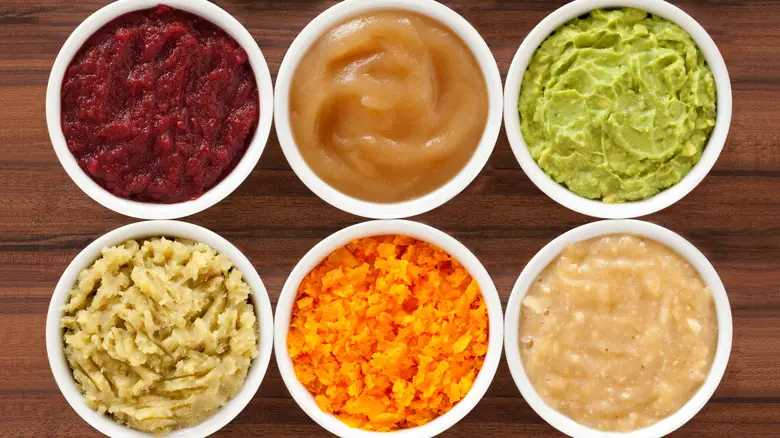
You might think soft foods are boring, but they’re actually a secret weapon after wisdom teeth removal. I remember living off smoothies and mashed avocado for almost a week — honestly, not terrible once you get creative.
Your extraction socket is still healing, and chewy, sticky, or small-grain foods (like rice or seeds) tend to wedge themselves into the tiny crevices of the tooth socket.
What Foods Reduce Lodging Risk
- Broths and soups (warm, soothing, easy to swallow)
- Smoothies (without seeds)
- Mashed potatoes, mashed sweet potatoes
- Scrambled eggs or soft protein options (great if you’re tracking nutrition during recovery)
- Yogurt, applesauce, or cottage cheese
These foods are less likely to leave particles that cling to gum tissue or the extraction site.
Avoid Foods That Easily Get Trapped
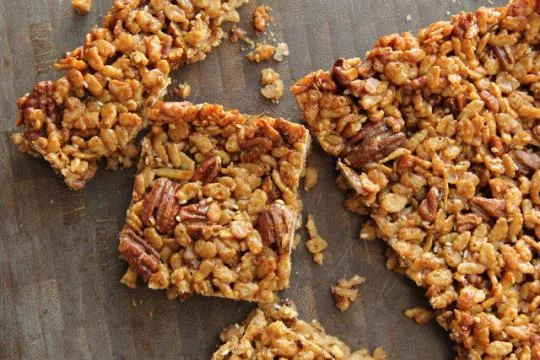
- Rice (especially long-grain)
- Nuts and seeds
- Granola or anything crunchy
- Chewy bread or bagels
PRO TIP: Create a “soft-food rotation” to keep meals interesting and nutrient-dense.
For example:
| Meal | Soft Option | Notes |
| Breakfast | Smoothie + yogurt | Avoid seeds or granola |
| Lunch | Mashed sweet potato | Add soft protein like eggs |
| Dinner | Broth with soft tofu | Skip rice or noodles |
| Snack | Applesauce | Hydrating + easy to digest |
Even a short adjustment of 3–4 days can make a huge difference in avoiding trapped food and supporting socket healing.
V. Tip #5: Tilt-Position Rinsing (Gravity-Assisted Method)
Here’s a little trick that feels almost too simple, but it works surprisingly well. Tilting your head just right while rinsing can let gravity do most of the work, helping food particles escape the wisdom tooth hole or any extraction socket.
Honestly, the first time I tried it, I thought it was a gimmick — but after a few careful attempts, I realized it actually made a difference.
How to Tilt Your Head Correctly
- Upper extractions: tilt your head slightly backward so water flows gently out of the socket.
- Lower extractions: tilt your head forward, letting debris float naturally with the rinse.
- Keep the movement slow — no sudden jerks or aggressive swishing.
The goal is to encourage food impaction to exit safely without disturbing the blood clot or gum flap.
When This Method Works Best
- After meals, when food particles are shallow and easier to dislodge.
- When you’ve already tried a gentle saline rinse and debris is still lingering.
- Especially useful for soft foods that might get wedged during a soft diet phase.
PRO TIP: Combine tilt-position rinsing with a dental irrigation syringe once approved by your dentist. Water guided by gravity often works better than pressure alone.
VI. Tip #6: Gently Brush Around the Area (Not On It)
Brushing after wisdom teeth removal feels risky — like you’re walking a tightrope. You want to maintain oral hygiene, but at the same time, you’re terrified of dislodging the clot or causing bleeding.
I remember pausing mid-brush, thinking, Okay… this is not the time to be aggressive. And you know what? That caution is exactly right.
When Brushing Is Safe Again
- Most dentists suggest after 24–48 hours, depending on your specific surgical procedure and how the gum flap healed.
- For impacted wisdom teeth or surgical removal, your oral surgeon might advise waiting a bit longer. Always follow post-op instructions or check in during your follow-up appointment.
Best Tools for Safety
- Soft-bristle toothbrush (super gentle on gum tissue)
- Non-foaming, mild toothpaste to avoid irritation
- Optional: interdental brushes for areas not directly over the extraction socket
Pro Tip
Use small, circular motions around the surgical site instead of direct scrubbing. Even brushing nearby helps maintain oral hygiene and reduces the chance of food particles causing bad breath or mild infection.
Quick Table: Brushing Safety Timeline
| Time Post-Extraction | Brushing Guidance |
| 0–24 hours | Avoid brushing near the extraction site |
| 24–48 hours | Soft brushing around the area |
| 3–7 days | Introduce gentle interdental brushes |
| 1–2 weeks | Resume normal brushing with caution |
Even just being gentle around the site supports healthy healing, reduces the risk of dry socket, and keeps your oral hygiene in check.
VII. Tip #7: Use Antibacterial Mouth Rinses Only If Recommended

Sometimes, after a dental extraction, the idea of using an antibacterial mouth rinse sounds like a magic fix for food stuck in your wisdom tooth hole. But honestly, it’s not a one-size-fits-all solution. Overusing medicated rinses can actually slow the healing process or irritate the gum tissue around your extraction site.
If you notice persistent bad breath, an unpleasant taste, or signs of infection, your dentist might suggest a medicated rinse, like chlorhexidine, but only under guidance. Using it without professional approval can harm the delicate gum flap and blood clot that’s protecting your tooth socket.
When Medicated Mouthwashes Are Necessary
- Visible redness, swelling, or irritation around the surgical site
- Persistent food impaction is causing discomfort
- Early signs of infection, such as unusual odor or taste
Risks of Overuse
- Delayed healing
- Tissue irritation around the extraction sockets
- Increased sensitivity
PRO TIP: If your oral surgeon recommends a medicated rinse, use it once or twice daily, after gentle rinsing with warm saltwater. This way, you keep the surgical site clean without damaging the healing tissue.
VIII. Tip #8: Avoid Poking the Extraction Site (Even With Safe Tools)
This might seem obvious, but the temptation is real. That tiny piece of food stuck after tooth extraction can make you want to grab a cotton swab, toothpick, or even your fingernail. Trust me, I’ve done it once — and regretted it immediately when the area started bleeding.
Even subtle poking increases the risk of:
- Dislodging the blood clot
- Tissue injury and delayed healing
- Introducing bacteria into the tooth socket, risking infection
Common Mistakes to Avoid
- Toothpicks or cotton swabs directly in the extraction site
- Using fingernails to prod debris
- Pressing too hard with your tongue
Instead, stick with gravity-assisted rinsing, a dental irrigation syringe when approved, or gentle swishing. Your oral surgeon and the post-op instructions exist for a reason — sometimes the best action is no action.
If a piece of food is visible but unreachable:
- Rinse gently with warm salt water
- Use a dental syringe only if cleared by your dentist
- Avoid poking or scraping — patience usually wins
IX. Tip #9: Use Warm Compresses to Reduce Swelling

After a dental extraction, it’s funny how your jaw can feel like it’s holding onto tension you didn’t know existed. Warm compresses aren’t just comforting — they actually help loosen trapped food by improving circulation around the gum flap and encouraging saliva to flow naturally through the tooth socket.
I remember after my wisdom teeth removal, sitting with a warm towel pressed lightly to my jaw while sipping herbal tea. It sounds simple, but that combination of warmth and gentle hydration made it easier to rinse stubborn food particles without panicking.
How Warm Compress Helps Release Debris
- Increases blood flow, which aids tissue healing
- Loosens stiffness in jaw movement, making rinsing easier
- Helps natural saliva flow, clearing small food particles from extraction sockets
Proper Method
- Use a warm towel or heat pack
- Apply for 10–15 minutes at a time
- Repeat a few times a day, especially after meals
PRO TIP: Switch to a warm compress after the first 24–48 hours, rather than cold ice packs, which are mainly for swelling right after surgery. This method gently supports the healing process, reduces the risk of delayed healing, and complements saltwater rinses.
X. Tip #10: Call Your Dentist If Food Won’t Come Out After 24–48 Hours
Here’s the reality: sometimes, no matter how careful you are, a stubborn particle just won’t budge. And that’s when it’s wise to contact your oral surgeon or dental professional. This doesn’t mean you’ve done anything wrong — your tooth socket might have natural pockets, or you might have had an impacted tooth requiring surgical removal.
When It’s Time to Seek Help
- Visible signs of infection
- Worsening unpleasant taste or bad breath
- Increasing pain around the surgical site
- Persistent food stuck despite gentle rinsing
What the Dentist Can Do Safely
- Professional irrigation using dental syringes or saline solutions
- Medications to prevent or treat gum infection
- Check for dry socket or other post-extraction complications
- Guidance on safe post-op care and socket closure
PRO TIP: Keep a list of your follow-up appointments and any oral care instructions handy. Some dental practices, like Champions Dental or Family Dental Care, even offer same-day advice for stuck food or minor post-surgical concerns.
Remember, patience is part of healing. Sometimes the best “action” is letting your gum tissue naturally guide debris out, under professional supervision if needed.
Prevention Tips for Keeping Food Out in the Future
You might think that once your wisdom teeth holes start healing, you’re done worrying. But honestly, little food particles can still sneak in if you’re not careful. What if i can’t get food out of extraction site? The good news? A few mindful habits go a long way in preventing food impaction in your extraction sockets.
Eating Techniques That Reduce Food Lodging
- Chew on the opposite side of the extraction site
- Take smaller bites to avoid overwhelming the healing area
- Stick to soft foods for the first 3–4 days
- Avoid sticky, crunchy, or seed-heavy foods
Even small adjustments like these can reduce the risk of trapped food and keep your tooth socket cleaner between salt water rinses or follow-up appointments.
Self-Care Practices That Support Faster Healing
- Hydration: water and herbal teas help flush particles naturally
- Anti-inflammatory foods: soft, nutrient-dense meals with Vitamin C and proteins
- Avoiding smoking or tobacco use, which slows socket closure and delays healing
- Maintain regular oral hygiene, gently brushing around the area without disturbing the clot
PRO TIP
Create a mini “post-extraction care kit” including:
- Warm saline solution
- Soft-bristle toothbrush
- Small dental syringe (approved by your dentist)
- Herbal tea for comfort and hydration
This helps you stay consistent and reduces the chance of food particles, delayed healing, or bad breath.
When Food Stuck Is Not a Problem (Normal vs. Concerning Signs)
It’s normal to feel a bit panicked when food lodges in your wisdom tooth hole, but let’s pause for perspective: not every stuck particle signals danger.
Signs That Food Stuck Is Normal
- Mild discomfort but no sharp pain
- Slight unpleasant taste or small odor that improves after gentle rinsing
- Temporary sensitivity during chewing or brushing
- Gradual socket closure over the first 1–2 weeks
Signs You Should Be Concerned
- Persistent, worsening pain
- Swelling or redness around the gum flap
- Visible infection or pus
- Severe bad breath that doesn’t improve after rinsing
- Signs of dry socket, especially if pain radiates to your ear or jaw
PRO TIP: Keep a small journal of any unusual sensations after your dental extraction — track swelling, pain, and your soft diet progress. It helps your dentist quickly identify any complications during a follow-up appointment.
Mindful Eating & Self-Care Practices for Faster Healing
Healing after wisdom teeth removal or any dental extraction is as much about mindset as it is about technique. I’ve noticed — maybe you have too — that paying attention to how you eat, rinse, and move your jaw makes a surprisingly big difference in comfort and recovery.
Mindful Eating Tips
- Slow, deliberate chewing: Avoid forcing food near the extraction site
- Hydrate before and after meals: Helps flush any residual food particles naturally
- Soft diet rotation: Keep meals nutrient-dense but gentle on the surgical site
- Avoid straws and suction: Prevents clot disruption and dry socket
Self-Care Practices for Oral Health
- Gentle brushing and flossing around teeth not near the extraction sockets
- Warm saltwater rinses or saline solutions to maintain hygiene
- Herbal teas like chamomile to soothe inflamed gum tissue
- Ice packs or warm compresses depending on the swelling phase
- Vitamin C and protein supplements to support tissue repair and bone remodeling
PRO TIP: Set reminders for post-op care: rinses, gentle brushing, soft meals, and hydration. It sounds tedious, but your oral, facial & implant specialists will thank you (and so will your comfort level).
Conclusion
So, what if I can’t get food out of extraction site ? The short answer: it’s more common than you think. Most of the time, gentle rinsing, mindful oral care, and soft foods handle the issue without complication. Healing is personal and sometimes imperfect — and that’s okay.
By practicing mindful eating, hydration, and consistent oral care, you support your socket closure, tissue regeneration, and overall oral health. Using gravity-assisted rinses, dental syringes, and warm compresses wisely, while following post-op instructions from your dentist or oral surgeon, helps reduce discomfort and prevent complications.
Patience, gentle care, and a few simple routines can make recovery smoother, safer, and surprisingly stress-free.
Frequently Asked Questions (FAQ’s)
1. Is it okay if food gets stuck in a tooth hole?
Yes — small food particles are normal during the first week. Gentle rinsing or gravity-assisted techniques usually help. It’s part of the healing process, and your body generally takes care of minor debris on its own.
2. What happens if I can’t get food out of my socket?
Mostly, nothing dangerous if there’s no pain or swelling. Persistent debris can be managed with saltwater rinses or a dental syringe approved by your dentist. Just try to avoid poking or prodding the area, as that can slow healing.
3. Will food stuck in the hole dissolve?
Some soft foods break down naturally, but harder particles may need gentle rinsing to avoid trapping bacteria. Liquids and saliva also help wash away smaller debris over time.
4. Can food stuck in the hole cause infection?
It can if left for long periods, especially if hygiene is poor, but regular oral care reduces risk. Monitoring for swelling or unusual odor can help you catch issues early.
5. Is it normal for food to get stuck in the socket?
Absolutely, especially during the open socket phase while gum tissue is healing. Most of the time, a few trapped particles aren’t cause for alarm.
6. What are the signs of a dry socket?
Severe pain, visible bone, foul taste or odor, and pain radiating to the ear or jaw. If you notice these, contact your dentist promptly to prevent complications.
7. How long should I use salt water rinse?
Typically 1–2 weeks or until your extraction sockets are mostly healed; follow your dentist’s instructions. You can continue gentle rinsing even after that if debris tends to get stuck.
8. How long until a bone spicule goes away?
Usually 2–6 weeks; it may dissolve naturally or be smoothed during a follow-up appointment. Sometimes a small spicule can persist but it isn’t harmful if there’s no pain or infection.
9. When can I stop irrigating the socket?
Once your gum flap and socket closure feel stable and your dentist approves. Keep observing the area and maintain regular oral hygiene even after irrigation stops.
10. What is the 2-2-2 rule for teeth?
Brush 2 minutes, twice a day, for 2 weeks post-extraction — keeping oral hygiene consistent supports healing and prevents food impaction. It also helps maintain healthy gums around the extraction site and reduces unpleasant taste or odor.