

There’s a strange moment, usually a few days after your wisdom teeth removal, when you can’t stop touching your tongue to the little craters left behind. Those odd, hollow spaces where your third molars used to be. They feel… foreign. And you start wondering — how long does it take for wisdom teeth holes to close?
Honestly, the answer isn’t as simple as “a few weeks.” Healing is layered — it moves through stages you can’t always see. First comes the blood clot (that fragile plug you must protect at all costs), then new gum tissue, and eventually, deep bone regeneration. It’s not just your mouth closing a wound — it’s your body quietly rebuilding architecture, one cell at a time.
Most people heal faster than they expect. But for some, the process drags — and that’s where understanding the why really matters. We’ll go through ten key facts about the healing process after wisdom teeth extraction — real insights from dental surgeons, patient stories, and a bit of biology too.
By the end, you’ll know what’s normal, what’s not, and how to help your body do what it’s already designed to do: recover. Naturally. Gradually. Perfectly in its own time.
How Long Does It Take for Wisdom Teeth Holes to Close 🕒
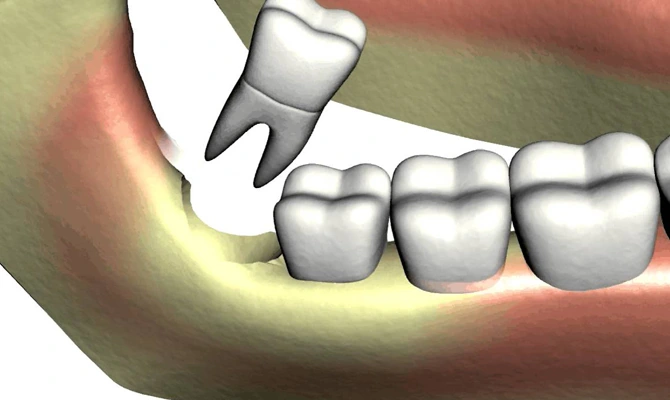
In most cases, surface gum tissue starts closing within 3 to 6 weeks after the extraction. But full bone and tissue healing? That can take up to 3 months, sometimes even longer if it was a surgical extraction or you’re over 30. Think of it like layers: the top heals first, the deeper layers take their time — rebuilding structure and strength before sealing completely.
Here’s a simplified timeline you can picture:
| Stage | Timeframe | What’s Happening |
| Day 1–3 | Blood clot forms | Protects the bone and nerve endings from infection |
| Week 1–2 | Gum tissue begins closing | New cells start knitting over the extraction hole |
| Week 3–6 | Surface mostly sealed | You can eat soft foods comfortably |
| Month 2–3 | Bone fills in gradually | Internal healing completes below the gum line |
By around the six-week mark, most people can chew, smile, and brush without that constant worry of reopening the socket. But that doesn’t mean the hole has fully closed underneath — your jawbone is still regenerating, building strength like a healing fracture.
Age, oral hygiene, and the type of extraction — simple vs. surgical — can all shift that timeline. A younger body with strong blood flow and good immune health might close faster; a smoker or someone with a dry socket will take longer.
If you’re wondering when you can get back to normal eating, brushing, or even whitening again, patience pays off. Every day your gum tightens a little more. And one morning, you’ll realize you’re not thinking about it anymore — the hole’s gone, just part of your jaw again.
1. Fact 1 — The Healing Timeline: Day by Day and Week by Week
Healing after a wisdom tooth extraction isn’t just about waiting — it’s about what’s quietly happening underneath the surface. Each day, your mouth changes in tiny, almost invisible ways. You might not feel it, but your gum tissue, blood vessels, and bone are in constant motion — repairing, sealing, strengthening.
Let’s break it down — what happens in each stage, from that first scary night to full closure.
What Happens in the First 24 Hours
The first day is all about protection. A blood clot forms in each extraction site, sealing the soft tissue and covering the bone beneath. That clot is fragile — think of it as your mouth’s temporary bandage. If it dislodges (which can happen if you rinse too hard, use a straw, or smoke), you risk dry socket, one of the most painful post-op complications.
Your oral surgeon probably gave you gauze pads to bite down on — they help with blood flow control and clot stabilization. Keep your head elevated, avoid hot drinks, and just… rest.
💡 Pro Tip: Don’t underestimate the power of ice therapy in those first 24 hours. Use cold compresses or ice packs on your cheeks for 15 minutes on, 15 off. It reduces swelling, preserves the clot, and minimizes jaw stiffness.
Week 1–2: Soft Tissue Formation Begins
Once the bleeding stops, your body shifts into repair mode. Around day 3 to day 10, granulation tissue starts forming — this is the pink, soft layer that eventually becomes new gum. It’s delicate and easy to disturb, which is why your post-operative care instructions probably emphasized gentle salt rinses and soft foods.
Stick to mashed potatoes, yogurt, or blended soups. Chewing near the extraction hole or eating crunchy foods can break the forming tissue — delaying recovery.
Typical vs. Delayed Healing in Weeks 1–2
| Healing Type | Typical Signs | Delayed Signs |
| Normal Healing | Mild soreness, pink tissue forming | Minimal discomfort, reduced swelling |
| Delayed Healing | Persistent bleeding, visible dark hole | Food lodged, tenderness, or foul odor |
By the end of week two, the gum tissue should begin tightening. You might still feel a soft “dip” with your tongue, but it’s shallower — that’s progress.
Weeks 3–4: Collagen and Gum Tightening
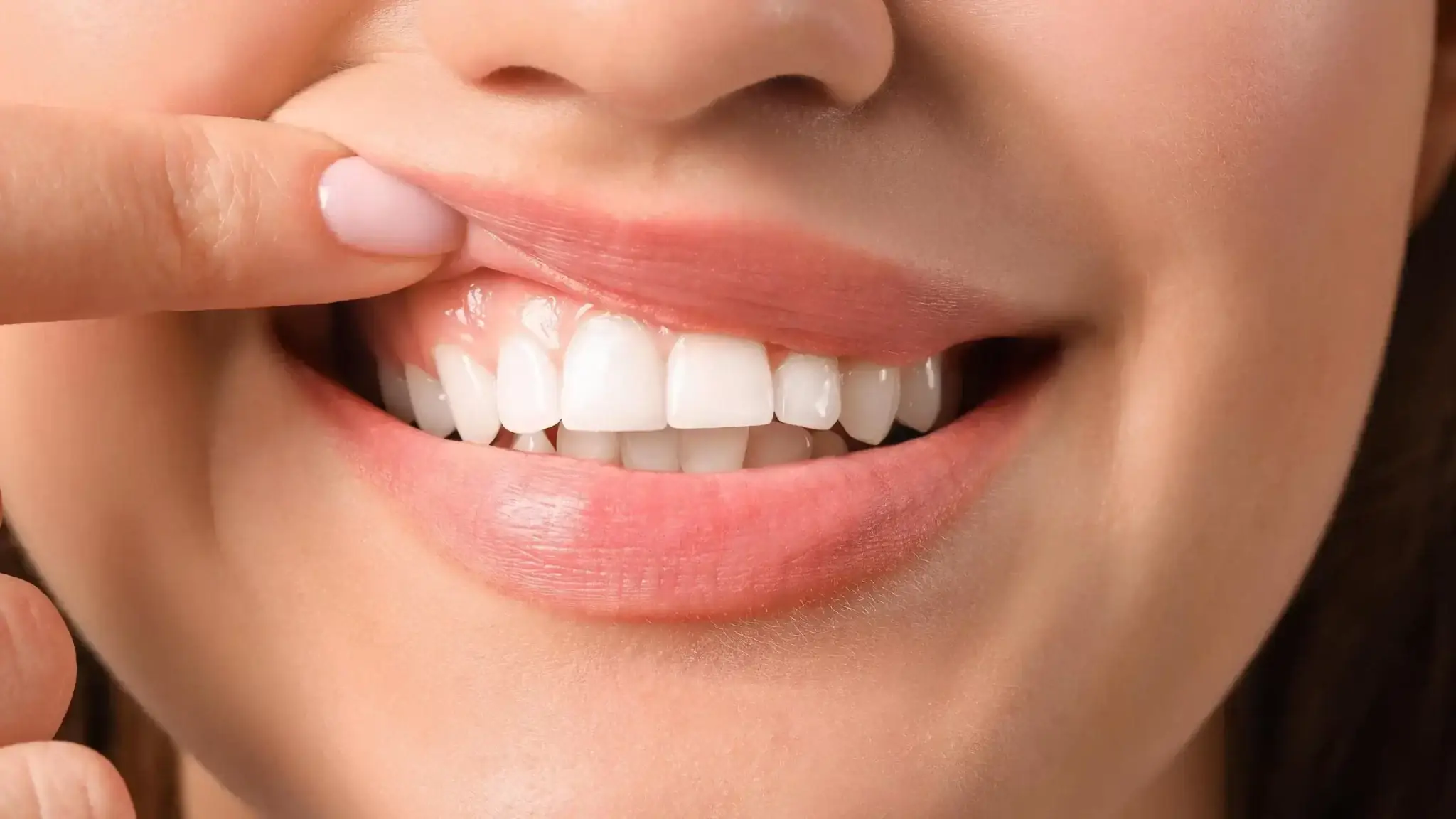
Somewhere around week three, collagen fibers begin to weave through your healing gum — pulling it tighter and restoring the natural contour of your jawline. Most patients at this stage can eat almost normally, though overly chewy or spicy foods can still irritate the extraction site.
If you had a surgical extraction (especially an impacted wisdom tooth that required stitches or bone trimming), you’ll notice the process feels slower. That’s because the deeper tissues — not just the surface — are rebuilding.
2. Fact 2 — The Factors That Affect How Fast Wisdom Teeth Holes Close
Now, here’s where things get personal. Healing speed isn’t just about time — it’s about you. Your age, immune system, habits, even your stress levels all play a part in how long your wisdom tooth extraction site takes to close.
Some people heal like they’ve got a built-in fast-forward button. Others? It’s slower, a bit frustrating, but still completely normal.
Let’s look at the biggest influences:
1. Age and Healing Power
If you’re in your late teens or early twenties, congratulations — your healing speed is probably at its peak. Younger people tend to regenerate gum tissue and bone tissue faster, with fewer post-op complications. By contrast, someone over 35 may notice slower closure and a higher chance of infection or bone regeneration delay.
Why? Blood flow and cell turnover decline slightly with age. That’s why dental surgeons like Dr. Jeremie DeZwirek or Dr. Rayher often emphasize boosting circulation — gentle movement, hydration, and nutrient-rich meals right after surgery.
2. Type of Extraction (Simple vs. Surgical)
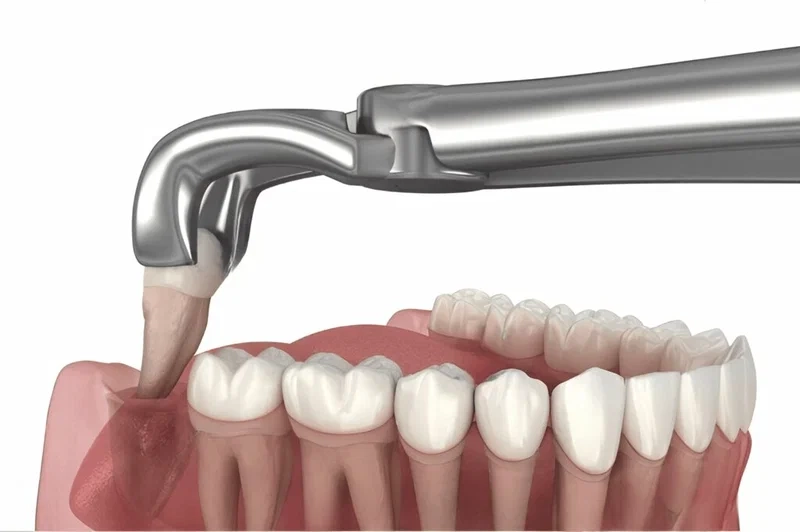
If your extraction was straightforward — no bone removal, no impacted wisdom tooth — healing is usually faster. A simple extraction might close within 3 weeks on the surface, while a surgical extraction (especially those requiring stitches, bone grafts, or surgical excision) can stretch into 6–8 weeks or more.
Sometimes the dentist even performs bone augmentation or places resorbable sutures to guide healing. It sounds complex, but it’s all part of helping that soft tissue hole transform into stable, healthy gum again.
3. Lifestyle, Stress, and Immune Health
Ever noticed how stress slows everything? That applies to oral healing too. High cortisol levels suppress your immune response, which means slower post-extraction care results.
Smoking cigarettes, using tobacco products, or drinking too soon after surgery all reduce oxygen and blood supply to the tissues, leading to a stubborn wisdom tooth hole not closing weeks later.
💬 Pro Tip: Prioritize rest and nutrient-dense meals. Your immune system needs fuel to produce collagen, form new blood vessels, and prevent infections. Simple things like warm soups, leafy greens, and a bit of sunlight for vitamin D can make a surprising difference.
3. Fact 3 — Nutrition’s Role in Gum and Bone Recovery
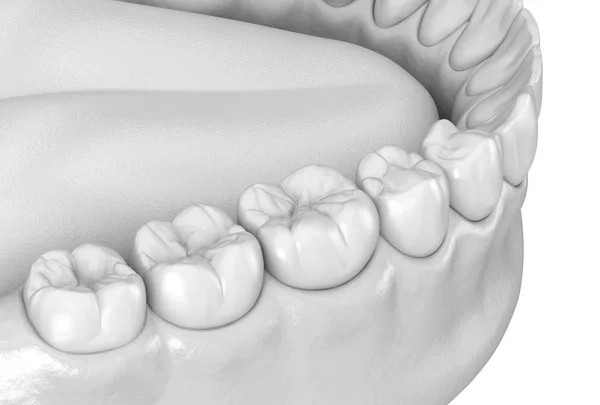
If you think your mouth heals on its own, you’re half right. Your body wants to heal — it knows how — but it needs the right building blocks to do it well. After wisdom teeth removal, what you eat (and what you avoid) quietly shapes how fast those extraction holes close.
Honestly, it’s kind of fascinating — your jawbone and gum tissue are made of living cells that depend on nutrients like vitamin C, zinc, and collagen to rebuild. Skip them, and the process slows; include them, and you’ll probably heal faster than your friend who’s still eating instant noodles and soft drinks.
Nutrients That Rebuild Tissue (C, Zinc, Collagen)

You’ve probably heard it before: eat your greens, drink your water. But let’s get specific — here’s what actually helps gum healing and bone regeneration after a wisdom tooth extraction:
| Nutrient | What It Does | Best Food Sources |
| Vitamin C | Boosts collagen production, strengthens gum tissue | Citrus fruits, strawberries, bell peppers |
| Zinc | Helps immune response and tissue repair | Pumpkin seeds, lentils, eggs |
| Collagen & Protein | Rebuilds connective tissue in the extraction site | Bone broth, Greek yogurt, fish |
| Vitamin D + Calcium | Supports bone healing under the gums | Fortified milk, sardines, sunlight |
| Omega-3 Fatty Acids | Reduces inflammation and swelling | Salmon, flaxseeds, walnuts |
Your oral surgeon or dental care team (like those at Trinity Dental Centers or Perio Health Professionals) might tell you that recovery isn’t only about avoiding infection — it’s about giving your body what it needs to rebuild faster from the inside out.
Foods That Slow Healing (Sugar, Alcohol, Processed Snacks)

If you’re sipping sugary drinks or sneaking cigarettes, you’re kind of working against your own recovery. Tobacco use, excessive caffeine, and refined sugar can cause inflammation and even interfere with blood flow to the extraction site.
Alcohol is another sneaky culprit — it disrupts blood clot formation, which can lead to complications like dry socket or delayed tissue closure.
⚠️ Pro Tip: For at least 10–14 days, skip soda, spicy foods, and crunchy snacks. Instead, go for soft foods that are rich in nutrients — think mashed sweet potatoes, scrambled eggs, smoothies, or blended soups.
Your goal is gentle nourishment — feeding your oral tissues while keeping the extraction hole protected.
Hydration & Gut Connection
There’s also the often-overlooked part — hydration. Water helps transport nutrients and remove waste from healing tissue. Even mild dehydration slows the process.
If you’ve read about leaky gut or immune health, you’ll notice a pattern: your mouth and gut are connected. A sluggish digestive system often mirrors slow gum recovery. So, while you’re rinsing your mouth with salt water rinses, remember to drink up — both actions keep your body’s internal environment healing-friendly.
4. Fact 4 — The Dry Socket Dilemma: What Delays Healing
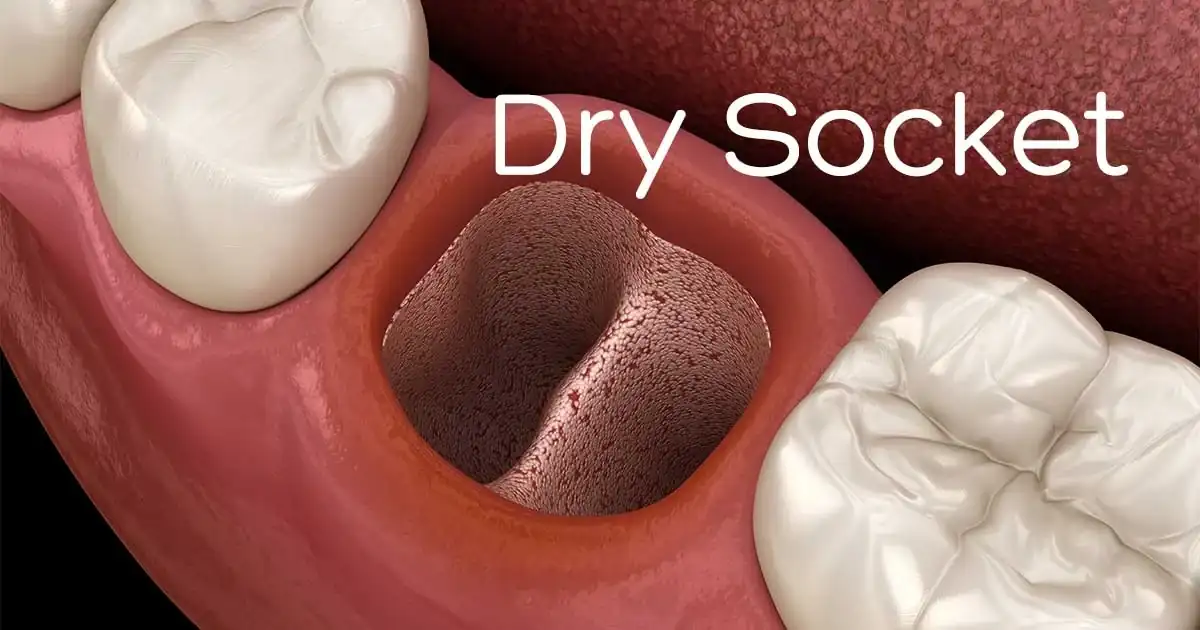
Ah, dry socket — the phrase every patient dreads after wisdom teeth extraction. It sounds minor, but if you’ve ever had it, you know how awful it feels. That throbbing, radiating pain that hits days after surgery? Yep, that’s what happens when the blood clot dislodges and the bone beneath is exposed.
But here’s the thing — dry socket isn’t random. It’s usually preventable with the right care and a little patience.
Understanding Blood Clot Importance
That clot that forms in your extraction site right after surgery is not just “blood” — it’s nature’s way of sealing and protecting your jawbone and nerve endings. Lose it too soon (from spitting, rinsing too aggressively, or drinking through a straw), and healing stalls.
Dentists like Dr. Bestandji and Dr. Rayher at Eagle Family Dentistry often stress that the clot is “biological gold.” Without it, your bone is left exposed to air, food, and bacteria, triggering inflammation and delayed bone healing.
How to Avoid Dislodging It
Here’s what to avoid during those fragile first few days:
🚫 Don’ts:
- Don’t use straws or forceful rinsing.
- Don’t smoke or use tobacco products — even one cigarette can reduce blood flow.
- Don’t poke the extraction hole with your tongue or brush too close to it.
- Don’t eat hard or sticky foods (no chips, nuts, or chewy bread).
✅ Do’s:
- Use gentle salt rinses (1/2 teaspoon salt in warm water) after 24 hours.
- Stick to soft foods like oatmeal, eggs, and smoothies.
- Apply ice packs for swelling and cold compress cycles.
- Follow your post-operative guidelines carefully — they’re not suggestions, they’re healing shortcuts.
What To Do If It Happens
If you suspect a dry socket — sharp pain, bad taste, or visible bone — call your emergency dentist or oral surgeon immediately. They can clean the extraction site, place medicated gauze packs, and prescribe pain medication to ease symptoms while promoting healing.
Some patients even require regenerative therapy or tissue reconstruction if the damage is extensive — but that’s rare with good aftercare.
💡 Pro Tip: If you’re prone to slow healing or had a surgical extraction, ask your dentist about bone grafting or healing gels (like platelet-rich plasma). These can speed up bone regeneration and reduce your risk of complications.
5. Fact 5 — Oral Hygiene Habits That Make or Break Recovery
You might think brushing your teeth is harmless, but after a wisdom teeth extraction, how you care for your mouth can make a real difference in how long it takes for wisdom teeth holes to close. Gentle care is key — the wrong move can undo days of healing. Your oral tissues are delicate, and the blood clot in the extraction site needs protection.
Here’s how to keep your gums safe while maintaining good hygiene:
Cleaning Gently Without Harming the Socket
- Use a soft-bristled toothbrush — avoid scrubbing near the extraction hole.
- Rinse lightly with warm salt water rinses starting 24 hours post-op. Avoid vigorous swishing; gentle swipes are enough.
- Avoid mouthwashes with alcohol in the first week — they can irritate tissue and slow healing.
💡 Pro Tip: Try rinsing after every meal to remove trapped food. This prevents debris from delaying gum tissue closure or causing infection in the extraction hole.
When to Resume Normal Brushing
Most dentists, including those at Canal Vista Family Dental or Associated Oral & Maxillofacial Surgeons, recommend resuming normal brushing about one week after extraction, once swelling has decreased and the soft tissue hole starts forming. Always brush away from the socket, not directly over it.
Quick Checklist for Oral Hygiene Post-Extraction:
| Task | Recommended Timing | Reason |
| Gentle salt water rinse | 24 hours after surgery | Cleans socket without disturbing clot |
| Soft-bristled brushing | Days 2–7 | Removes plaque without damaging granulation tissue |
| Normal brushing & flossing | ~1 week | Restores full oral hygiene routine |
| Alcohol-free mouth rinse | After 1 week | Helps prevent bacterial buildup safely |
Eco-Friendly Mouth Care Options
For those thinking sustainably, there are eco-friendly rinses and natural oral care options:
- Herbal rinses (like chamomile or sage) to soothe gums
- Toothpaste with natural remineralizing compounds
- Bamboo toothbrushes for gentle daily use
Even small choices can help reduce inflammation and support full healing of wisdom teeth holes while keeping your oral routine green.
6. Fact 6 — Signs Your Wisdom Teeth Holes Are Closing Properly
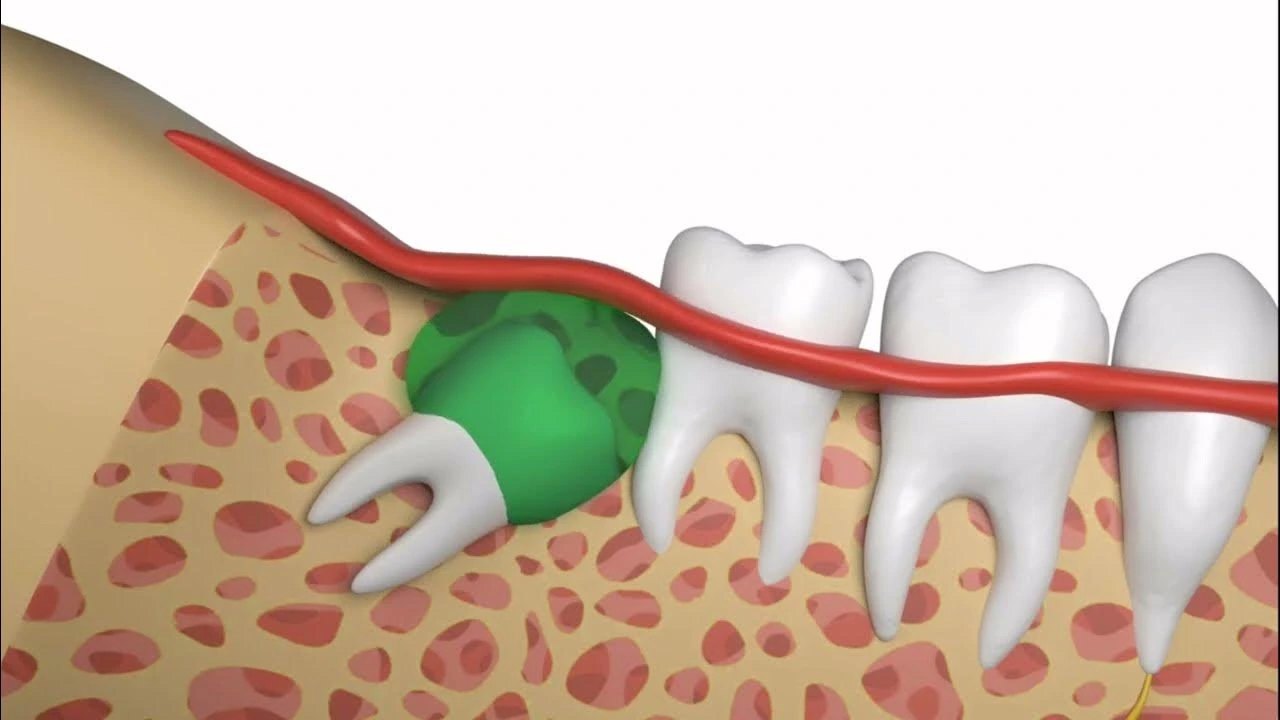
It’s normal to poke around your mouth with your tongue — curiosity is part of healing. But how do you know if the extraction hole is actually closing properly?
Here’s what to watch for:
What Normal Healing Looks Like
- Gradual shallowing of the hole: by weeks 3–4, the “dip” starts filling in.
- Pink, firm gum tissue forming over the site
- Minimal pain or tenderness, mostly at night or when chewing
- No persistent bleeding beyond the first 24–48 hours
💡 Pro Tip: Track progress with photos — it sounds silly, but taking a weekly selfie inside your mouth helps you notice subtle tissue changes.
Warning Signs to Watch For
- Persistent pain or throbbing after week 1
- Dark patches or white spots inside the hole (possible infection or dry socket)
- Food consistently gets stuck 3 weeks after extraction
- Bleeding that doesn’t stop after gentle pressure with gauze pads
If any of these occur, contact your oral surgeon or emergency dentist promptly. Remember, some holes take longer to close, especially after surgical extraction or if there’s a history of slow healing.
When to Call a Dentist
- Hole still feels open beyond 6 weeks
- Severe pain or swelling
- Unusual taste or odor from the socket
Quick Check Table: Normal vs Concerning Healing Signs
| Sign | Normal? | Action |
| Mild soreness | ✅ | Keep up post-operative care |
| Pink gum tissue | ✅ | Healing well |
| Persistent pain >1 week | ⚠️ | Call dentist |
| Food trapped repeatedly | ⚠️ | Seek advice |
| Bleeding after first 48 hours | ⚠️ | Contact dentist immediately |
7. Fact 7 — How to Speed Up Healing Naturally and Safely
Once your wisdom teeth extraction is behind you, it’s tempting to just wait and hope the holes close quickly. But there are safe ways to give your body a gentle boost without risking complications like dry socket or delayed bone regeneration. Healing is a mix of rest, nutrition, and mindful care — sometimes simple tweaks make a surprisingly big difference.
The Power of Rest and Recovery
Your body actually does most of its repair while you sleep. Deep sleep increases blood flow to the extraction site, reduces inflammation, and helps gum tissue regenerate. It also supports immune system function, which is critical for post-extraction care.
- Aim for 7–9 hours of sleep each night.
- Keep your head slightly elevated on pillows to reduce swelling.
- Avoid straining activities like heavy lifting or intense workouts during the first week.
💡 Pro Tip: Even short naps after meals can help — it might feel indulgent, but your body uses this time to repair soft tissue holes and strengthen the underlying jawbone.
Natural Remedies That Support Healing
Some patients swear by gentle, natural interventions that complement standard post-operative guidelines:
- Salt water rinses: 1/2 teaspoon salt in warm water 2–3 times per day. Cleans the extraction hole and supports granulation tissue formation.
- Chamomile or sage rinses: Anti-inflammatory and soothing for sensitive gum tissue.
- Cold compresses/ice therapy: Applied 15 min on, 15 min off to reduce swelling in the first 48 hours.
- Topical vitamin C gels: Some oral surgeons recommend for faster soft tissue healing (ask before use).
Avoiding Overuse of OTC Painkillers
Pain medication is helpful, but overuse can sometimes interfere with blood flow and delay tissue regeneration. Stick to prescribed doses, and consider alternating with natural remedies like cold therapy.
Checklist for Safe Healing After Wisdom Teeth Extraction:
| Action | Why It Helps | Notes |
| Rest & sleep | Promotes blood flow and tissue repair | Keep head elevated |
| Salt water rinse | Cleans socket gently | Avoid vigorous swishing |
| Soft foods | Protects soft tissue holes | Nutrient-rich preferred |
| Ice packs | Reduces swelling and pain | Use only in first 48 hours |
| Avoid smoking/alcohol | Prevents dry socket and delayed closure | Critical first 2 weeks |
8. Fact 8 — The Role of Bone Regeneration Beneath the Gums
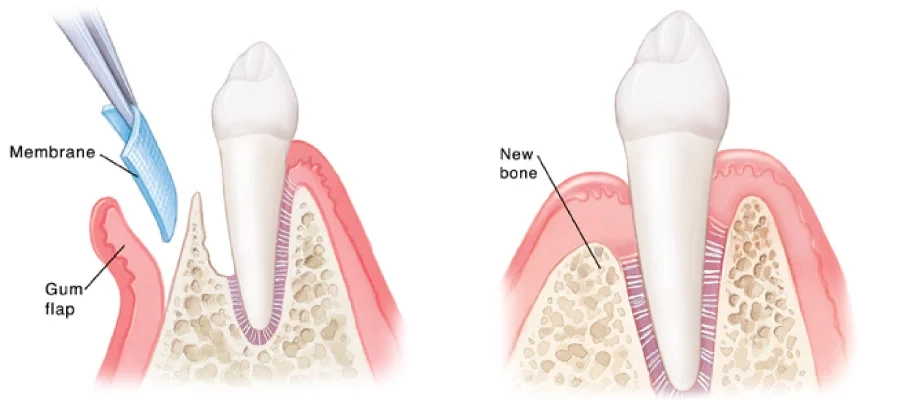
Here’s the part that many people don’t see: even after your gum tissue looks closed, the jawbone underneath is still rebuilding. This is why some people ask, “How long does it take for wisdom teeth holes to close completely?” — the surface may be fine, but full bone regeneration takes longer.
How the Jawbone Fills In After Extraction
- Bone healing can take 3–6 months depending on your age, diet, and overall health.
- The body first forms granulation tissue, then gradually deposits new bone cells to fill the extraction hole.
- This is why dentists sometimes recommend bone grafts or bone augmentation during surgical removal, especially for impacted wisdom teeth.
💡 Pro Tip: Adequate calcium, vitamin D, and collagen intake speeds up bone deposition. Think fortified dairy, leafy greens, and protein-rich meals.
What Happens If Bone Healing Is Delayed
Sometimes, the hole never seems to fully close, even years later. This can be due to:
- Infection in the extraction site
- Poor oral hygiene or trapped food in the wisdom tooth hole
- Smoking or tobacco use
- Nutrient deficiencies slowing tissue and bone repair
Signs of incomplete bone closure:
- Persistent hollow feeling under the gum
- Recurrent food lodgment 3 weeks after extraction
- Occasional sensitivity or minor discomfort
Dentists like Dr. Jeremie DeZwirek or teams at Associated Oral & Maxillofacial Surgeons often monitor bone healing with X-rays to ensure the jawbone fills in properly.
9. Fact 9 — How Sleep, Stress, and Hormones Influence Healing
Healing isn’t just about what you put in your mouth — it’s also about what’s going on in your body and mind. Your immune system, hormonal balance, and even sleep cycles quietly determine how long it takes for wisdom teeth holes to close.
The Rest–Repair Cycle
Deep, uninterrupted sleep is like a secret repair crew for your extraction site. During sleep:
- Blood flow increases, delivering oxygen and nutrients to gum tissue and jawbone.
- Collagen production ramps up, supporting soft tissue hole closure.
- Inflammation decreases, which reduces pain and swelling around the wisdom teeth extraction site.
Even short naps after meals can help speed up post-surgical care. Sometimes it’s the small, almost invisible habits that make a difference.
Cortisol and Healing Delays
Chronic stress is sneaky — it raises cortisol, a hormone that slows tissue regeneration. High stress can prolong the time it takes for the holes to close, increase soreness, and make dry socket more likely.
Simple stress management tips:
- Journaling your recovery progress
- Mindful breathing or meditation for 10–15 minutes
- Gentle walks outside to boost circulation
💡 Pro Tip: Stress management isn’t just mental — it directly supports oral health, especially after surgical removal of wisdom teeth.
Hormonal Shifts and Healing Differences
Your hormones can subtly change recovery speed. Women may notice variations during their menstrual cycle, and thyroid imbalances can influence immune response. While it’s not dramatic, it’s one more reason healing times vary.
- If healing feels slower than expected, it doesn’t necessarily mean something is wrong — just that your body’s rhythm plays a role.
10. Fact 10 — Long-Term Gum Health After Extraction
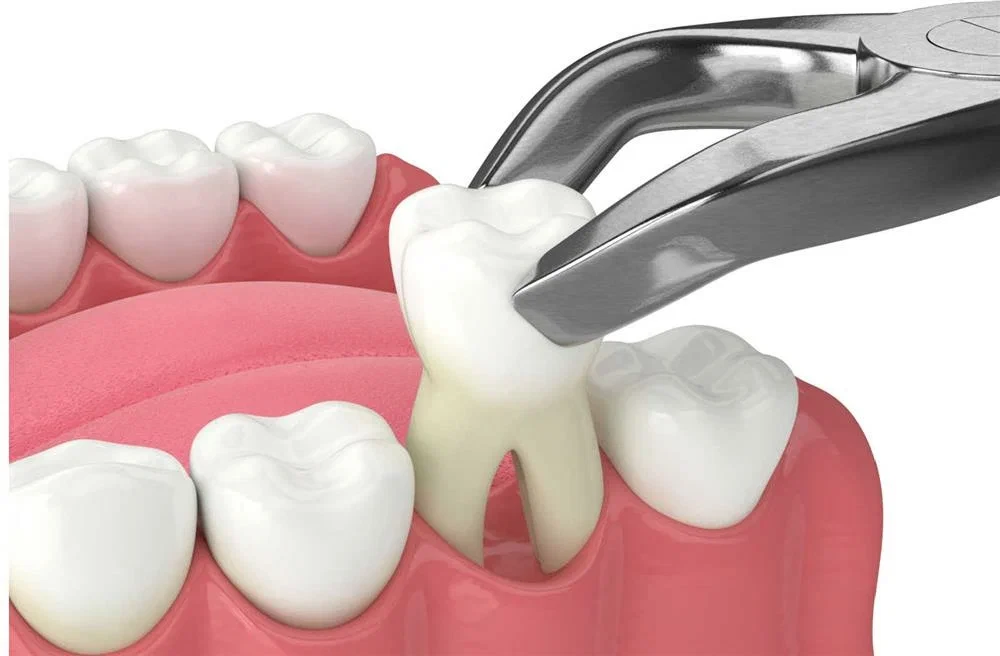
So your wisdom teeth holes finally close. Congratulations! But long-term care is just as important. The goal now is maintaining gum integrity, preventing food trapping, and keeping your oral tissues healthy for years to come.
Preventing Re-Infection or Food Trapping
Even after healing:
- Floss gently around the extraction site to avoid trapped debris
- Use soft bristle toothbrushes and rinse with mild salt water
- Monitor for pockets or hollows where food stuck in wisdom tooth hole 3 weeks after extraction might recur
💡 Pro Tip: If you notice lingering dips or sensitivity months after extraction, your dentist can evaluate for bone regeneration or tissue reconstruction.
Building Stronger Gums Naturally
- Oil pulling with coconut oil reduces bacterial buildup and supports oral microbiome balance
- Herbal rinses like sage or chamomile soothe gum tissue
- Nutrient-dense foods rich in vitamins A, C, and E enhance collagen production and strengthen gum tissue.
Whitening and Care After Full Recovery
Once your gums are fully healed (often 3–6 months post-extraction), you can safely resume:
- Whitening treatments
- Flossing close to extraction sites
- Chewing harder foods without discomfort
Quick Checklist: Maintaining Gum Health Post-Wisdom Teeth Extraction
| Step | Purpose | Notes |
| Gentle flossing | Remove trapped debris | Avoid trauma to soft tissue holes |
| Salt water rinse | Maintain healthy oral environment | 2–3 times per week after full healing |
| Herbal rinses | Anti-inflammatory | Optional, natural alternative |
| Nutrient-rich diet | Support gum and bone tissue | Collagen, vitamin C, calcium, protein |
| Routine dental visits | Monitor long-term healing | Prevents late complications |
The Mouth–Body Connection: Why Healing Reflects Overall Wellness
Here’s a thought you might not have considered: your wisdom teeth holes don’t heal in isolation. Your mouth is part of a larger system — your immune system, gut health, and even your skin and hormones influence how quickly those extraction sites close.
It’s easy to underestimate, but chronic inflammation anywhere in your body can slow gum tissue healing. Think of it this way: the same nutrients, blood flow, and cellular repair processes that mend your jawbone are used throughout your body. Neglect one area, and another might heal more slowly.
Oral Healing and Overall Health
Some key points connecting oral and systemic wellness:
- Gut health matters: Adequate digestion ensures you absorb vitamins and minerals critical for gum and bone regeneration. Poor gut function can slow post-extraction care outcomes.
- Immune function: A strong immune system fights infection, ensuring your soft tissue hole closes smoothly without complications like dry socket.
- Inflammation management: Chronic inflammation from stress, poor diet, or illness can prolong healing timeline for wisdom teeth extraction.
💡 Pro Tip: Supporting your body holistically — hydration, sleep, stress management, and nutrition — isn’t optional. It actively shortens how long it takes for wisdom teeth holes to close fully.
Simple Lifestyle Actions That Support Healing
- Eat nutrient-dense foods rich in vitamin C, zinc, and collagen
- Stay hydrated to support blood flow and tissue regeneration
- Practice light movement or gentle walks to stimulate circulation
- Avoid smoking and excessive alcohol — they slow bone regeneration and gum tissue repair
- Follow your post-operative guidelines closely
Even small, consistent habits influence how long your holes take to close and reduce risks like wisdom tooth hole never closed years later.
Frequently Asked Questions (Faq’s)
1. How long until wisdom teeth holes fully close?
Typically, 3–6 weeks for the surface gum tissue; full bone regeneration can take 3 months or more. Even when the gum looks closed, the underlying jawbone is still filling in, so patience is key.
2. When can I stop worrying about food getting stuck in wisdom teeth holes?
Usually, after 4–6 weeks, once granulation tissue has formed and your gums feel firmer. Gentle saltwater rinses and careful brushing help prevent lingering debris during this period.
3. Why are my wisdom teeth holes not closing?
It could be due to dry socket, smoking, infection, or slower bone healing. Sometimes, impacted teeth or surgical removal also make closure take longer than expected.
4. When can I use Listerine after wisdom tooth extraction?
Avoid alcohol-based mouthwashes for the first week; start with gentle salt water rinses, then move to milder oral rinses. Using harsh mouthwash too soon can disturb the blood clot and delay gum tissue closure.
5. What happens if a piece of food gets stuck in a wisdom tooth hole?
Gently rinse with warm salt water or use a soft-bristled brush. Don’t poke — it can disrupt the blood clot. Leaving food too long may cause irritation or even infection, slowing your overall healing timeline.
6. What are signs of infection in the hole?
Persistent pain, swelling, bad taste or odor, or pus. Contact your oral surgeon immediately. Infection can hinder bone regeneration and soft tissue healing, so timely intervention is important.
7. How long should I use salt water rinse?
1–2 times daily for the first 1–2 weeks, then as needed for maintenance. Consistent rinsing supports gum tissue formation, reduces inflammation, and can prevent food trapping.
8. How to tell if my wisdom teeth holes are infected?
Severe, throbbing pain beyond normal healing time, swelling, fever, or persistent bleeding. Infection can also make the extraction site feel hollow or sensitive to touch.
9. How long does it take for extraction gaps to close?
Gum tissue usually closes in 3–6 weeks; bone and full structural healing take up to 3 months. Healing can vary depending on age, oral hygiene, and whether the extraction was surgical or simple.
10. Why didn’t I get stitches after the tooth extraction?
Some simple extractions don’t require stitches, while surgical extractions or impacted teeth often do to protect the soft tissue hole. Stitches can help stabilize blood clots and speed up tissue regeneration in more complex cases.