

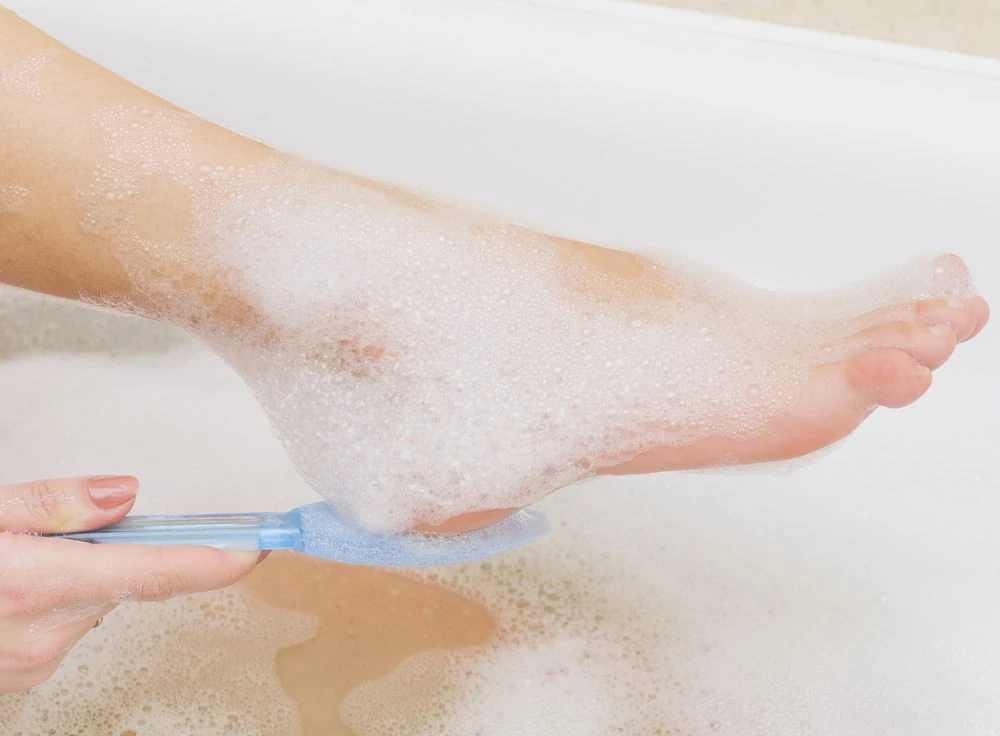
You know that moment when you look down at your feet — maybe after a long day, maybe after ignoring them for way too long — and you realize they’ve turned kind of… well, rough? Hard skin around the heels, those stubborn patches that don’t care how expensive your lotion is, and that thick, dead skin that just sits there.
And you’re left wondering how to remove thick dead skin from feet home remedy style without making things worse or spending a ton at a salon.
Honestly, it’s a weird thing. We walk around all day, expecting our feet to carry us without complaint, and then sometimes we forget they’re skin too — real, living skin that cracks, flakes, dries out, reacts to harsh soaps and heat and humidity and maybe even shoes that felt comfortable in the store but now seem like they were invented by a foot-hating goblin.
If you’ve ever used a pumice stone and thought, Is this even doing anything? or tried a foot file and got nervous you might sand yourself into a medical situation, you’re not alone. I once tried a baking soda foot scrub at midnight, convinced I was reinventing foot care. Woke up with feet slightly softer, sure… but also with questions about my life choices.
So, this isn’t about perfection. This is about gentle foot care, experimenting with home remedies that might soften dry skin on your heels, maybe reduce those calluses, and hopefully make walking barefoot feel a little less like stepping on sandpaper. No promises of instant miracles here — just slow, nourishing, strangely satisfying routines that tend to help.
How to Remove Thick Dead Skin From Feet Home Remedy (Overview)
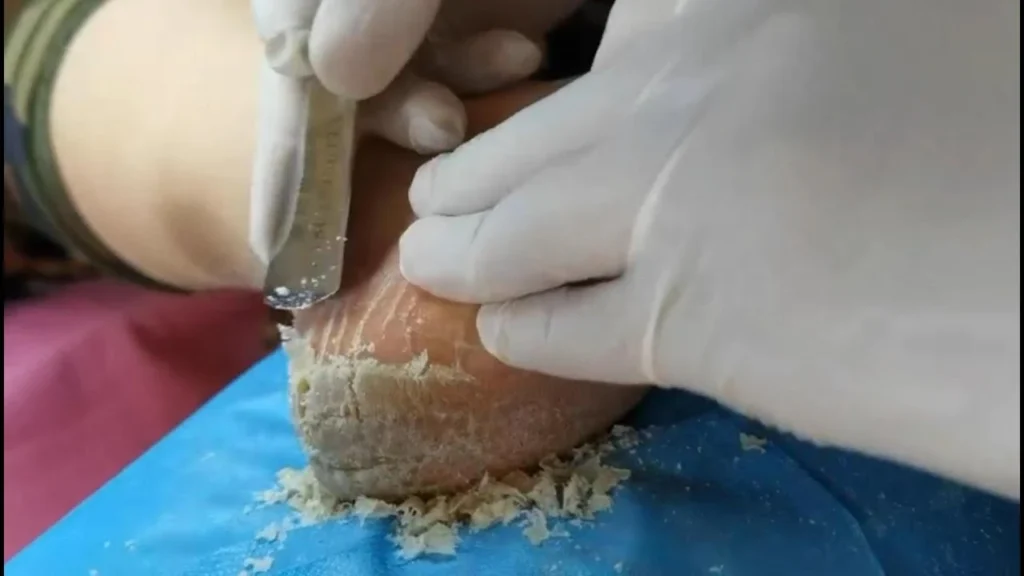
So, if you’re wondering (or whispering to yourself), “There has to be a more natural way to deal with this hard skin on feet,” you’re in the right place. There are, honestly, several approaches — some simple, some a little messy, a few that smell like apple cider vinegar (which is a whole experience).
And these aren’t complicated spa treatments, more like small, reliable rituals using things you might already have: Epsom salt, baking soda, tea tree oil, maybe even honey or aloe vera.
You’ll see ideas like:
- An Epsom Salt Soak for soft tissue relaxation, which might help loosen stubborn dead skin
- A foot scrub made from sea salt or sugar for gentle exfoliation
- Apple cider vinegar (diluted!) to help balance skin pH and maybe support against foot fungus or athlete’s foot bacteria
- Deeply moisturizing layers with coconut oil, shea butter, cocoa butter, or castor oil under cotton socks
- And yes, even fruit-based foot masks like banana and avocado, which sounds like brunch but for your heels
Some people swear by foot peels (like Baby Foot), others prefer a slow weekly foot care regimen using pumice stones or an electronic foot file like the Emjoi Micro Pedi.
There’s no single right way, and if you have skin conditions, cracked heels that bleed, diabetic skin, or anything that feels beyond DIY, a podiatrist or dermatologist — like someone at FACET dermatology or even resources from the American Diabetes Association — might be the safer path.
But if you want to start gently — at home, tonight, maybe with a bowl of warm water and a plan — the next sections will walk you through it.
Why Thick Dead Skin Forms on Feet (Root Causes)
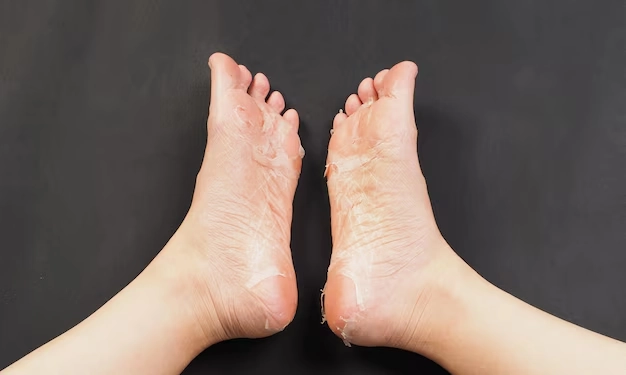
It’s funny (or not funny at all, depending on your mood) how your feet can go from kinda-soft to rough, hard skin on feet in what feels like a single week. But thick, dry, dead skin doesn’t just happen out of nowhere.
There are usually several reasons it builds up, and honestly, sometimes it’s more about life than neglect. Long days, shoes that were supposed to be comfortable, heat and humidity, or even harsh soaps that mess with your skin pH balance — it all adds up.
Friction, Pressure & Footwear
Your feet take a beating every day. If you’re walking long distances, standing on tile floors, or wearing shoes that rub the same spot over and over, you might develop calluses or cracked heels that feel like they belong to someone who walks barefoot across lava for a living.
Supportive footwear helps, but not everyone has a perfect pair. I once bought “ergonomic sandals” that promised arch support, and, well… let’s just say they supported nothing except future foot care expenses.
Common friction culprits:
- Narrow shoes or tight heels
- Long-distance walking or running
- High heels (cute, yes, forgiving, never)
- Flip-flops — surprisingly tough on skin
Dryness, Heat, Humidity & Skin pH
When feet get dry skin, especially during winter, the dead skin layers can thicken as a kind of weird biological shield. And then in summer, there’s sweat, which does the opposite and sometimes leads to fungal infections or athlete’s foot. It’s like your feet can’t catch a break.
Possible contributors:
- Hot showers + harsh soaps → soap dermatitis sometimes
- Indoor heat, cold weather, low humidity
- Walking barefoot on rough surfaces
- Not enough moisturizing cream (CeraVe Moisturizing Cream, NIVEA Soft, shea butter, etc.)
Fungal Infections, Athlete’s Foot & Hygiene
Apple cider vinegar, tea tree oil, and foot scrubs come up a lot because they might help maintain skin hygiene. Athlete’s foot isn’t just a locker room problem — it can start from sweaty shoes, public showers, or re-wearing socks (which I will not admit to doing during laundry emergencies).
Medical & Podiatric Causes
Sometimes it’s deeper than just dryness. According to podiatrists (like those at Canyon Oaks Foot & Ankle and organizations such as the American Diabetes Association), conditions like diabetic skin, poor circulation, and plantar warts can make thick dead skin harder to manage at home. In those cases, sterile equipment and professional callus removal treatments may be safer than DIY fixes.
🛁 Step-by-Step Foot Soaking Basics (Before Any Remedy)
Before you use a pumice stone, scrub brush, foot file, or some deeply moisturizing castor oil and cotton socks overnight, a foot soak can soften the skin so you don’t fight with it like it owes you money. A soak prepares your feet for exfoliation and helps soften hard skin, making any home remedies more effective.
Best soaking ingredients (Epsom salt, vinegar, baking soda)
Here are a few things you can mix into your warm water bowl (not too hot — we’ll get to that):
| Ingredient | Why it helps | Notes |
| Epsom Salt (magnesium sulfate) | Relaxes soft tissue, may help reduce soreness | Popular for Epsom Salt Soak lovers |
| Apple Cider Vinegar | Can support skin pH and foot fungus hygiene | Always dilute; strong scent, prepare loved ones |
| Baking Soda (Baking Soda Soak) | Gently exfoliates & may reduce odor | Don’t overuse — can disrupt pH |
Other good additions: sea salt, a drop of tea tree oil, maybe lemon juice (citric acid exfoliation), and even oatmeal + milk if your skin is irritated.
Ideal Water Temperature & Soaking Time
Warm, not piping hot. If your feet turn pink like steamed shrimp, probably too hot. Aim for 15–20 minutes, enough time to soften skin but not so long that it gets overly wrinkly.
Hygiene, Safety & When NOT to Soak
A little caution: soaking isn’t for everyone every time. If you have open cracks, severe diabetic foot care needs, foot fungus that spreads easily, or skin irritation, sometimes a dermatologist like Melanie Palm or Payal Bhattacharya (Hand & Foot Care) might advise against prolonged soaking.
Avoid dangerous mixes:
🚫 vinegar + bleach (releases toxic fumes)
🚫 too much essential oil (skin irritation risks)
🚫 metal callus cutters at home (save those for clinical settings)
Quick Pro Tip (natural, not salesy): Try soaking while listening to something calming. It sounds silly, but treating it like a ritual sometimes makes you actually do it again next week instead of forgetting your feet exist.
🌿 Home Remedy #1: Epsom Salt Foot Soak
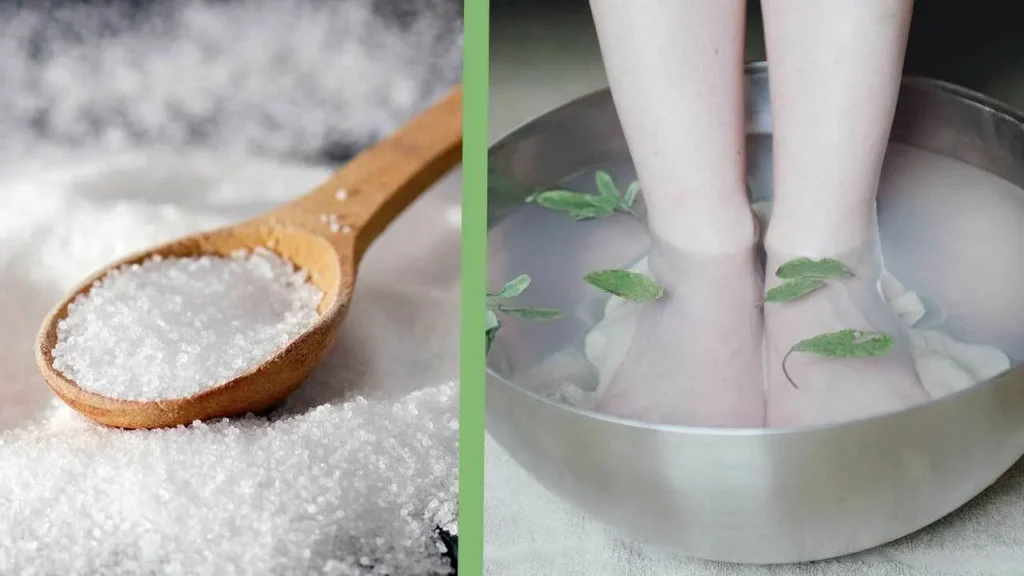
There’s something oddly comforting about warm water and Epsom salt — almost like your feet start forgiving you for whatever you’ve put them through. If you’ve been googling How to remove thick dead skin from feet home remedy treatments that actually feel relaxing instead of like a chore, this is usually the easiest place to start.
Epsom salt, or magnesium sulfate, can help soften hard skin, soothe sore soles, and maybe reduce that tight feeling that sometimes shows up around cracked heels. Some runners even swear that it helps their arches unwind a little. I’m not a scientist, but I’ve had nights when my feet felt like overinflated balloons and this soak genuinely helped.
How to use it (simple steps)
- Fill a basin with warm water (not hot enough to steam glasses but cozy enough that you sigh a little).
- Add 1/2 cup to 1 cup of Epsom salt per large bowl of water.
- Optional additions for extra foot care:
- A tablespoon of baking soda (odor + gentle exfoliation)
- A splash of apple cider vinegar (skin pH support)
- A few drops of tea tree oil (if you’re thinking about foot fungus, athlete’s foot hygiene, etc.)
- A tablespoon of baking soda (odor + gentle exfoliation)
- Soak for 15–20 minutes.
- Pat dry and follow with a moisturizing cream like CeraVe, NIVEA Soft, or shea butter.
Why Epsom salt is popular (in plain words)
- Helps soften calluses for easier exfoliation
- Can ease muscle tension in tired feet
- Works well before using a pumice stone, electronic foot file (like Emjoi Micro Pedi), or foot scrub
Pro Tip: If your heels are extra stubborn, gently use a pumice stone after the soak when the skin is softer. Don’t scrape like you’re sanding wood — slow circles, light pressure, like you’re trying not to start an argument with your feet.
🍎 Home Remedy #2: Apple Cider Vinegar Softening Treatment
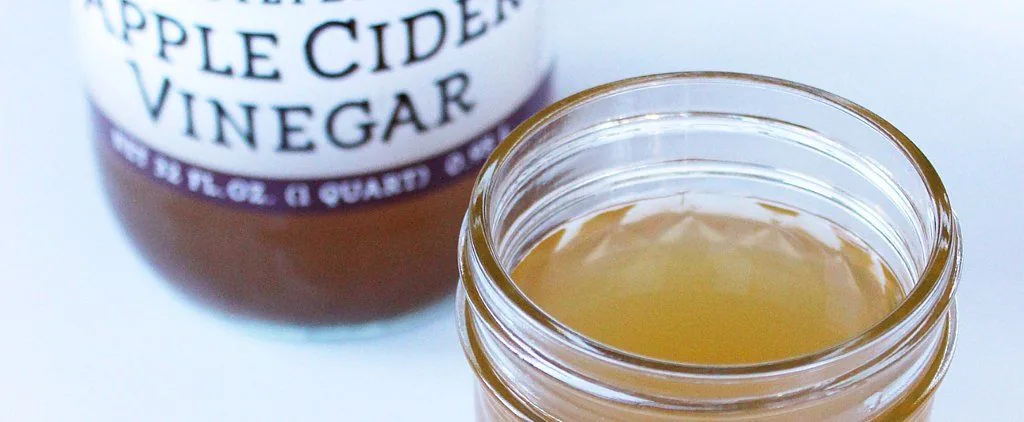
Apple cider vinegar (ACV) has that sharp scent that makes some people feel healthier just by opening the bottle. And yes, it really does show up a lot in home remedies for feet — especially if your goal is softening thick dead skin, supporting foot fungus control, or dealing with that stubborn hard skin on feet that seems immune to lotion.
Is it magic? Probably not. But many people find that the acetic acid in ACV helps loosen dead skin and restore a healthier skin pH balance, especially if your heels are dry because of harsh soaps, cold weather, or that thing where you forget to drink water all day.
How to make an ACV foot soak
| Ingredient | Amount | Notes |
| Warm water | Enough to cover feet | Comfortably warm, not overly hot |
| Apple cider vinegar | 1 cup per basin water | Dilute more if you have sensitive skin |
| Optional: tea tree oil | 2–3 drops | Helps support antifungal foot care |
| Optional: lemon juice | 1 tsp | Mild Alpha-hydroxy acid exfoliation |
Steps:
- Mix warm water + ACV in your bowl.
- Soak feet for 10–15 minutes (start shorter if you have sensitive or diabetic skin).
- Rinse with plain water afterward (important).
- Apply a moisturizing cream or castor oil, seal with cotton socks.
A few ACV cautions (not fear-based, just realistic)
- Don’t use on open cracks or bleeding cracked heels.
- Too strong or too long can cause skin irritation.
- Never mix vinegar with bleach (dangerous fumes).
A tiny story moment:
I once used ACV without diluting it because I thought I was being bold and natural. My feet… disagreed. Dilute it. Your future self will thank you.
🧈 Home Remedy #3: Coconut Oil Occlusive Moisturizing
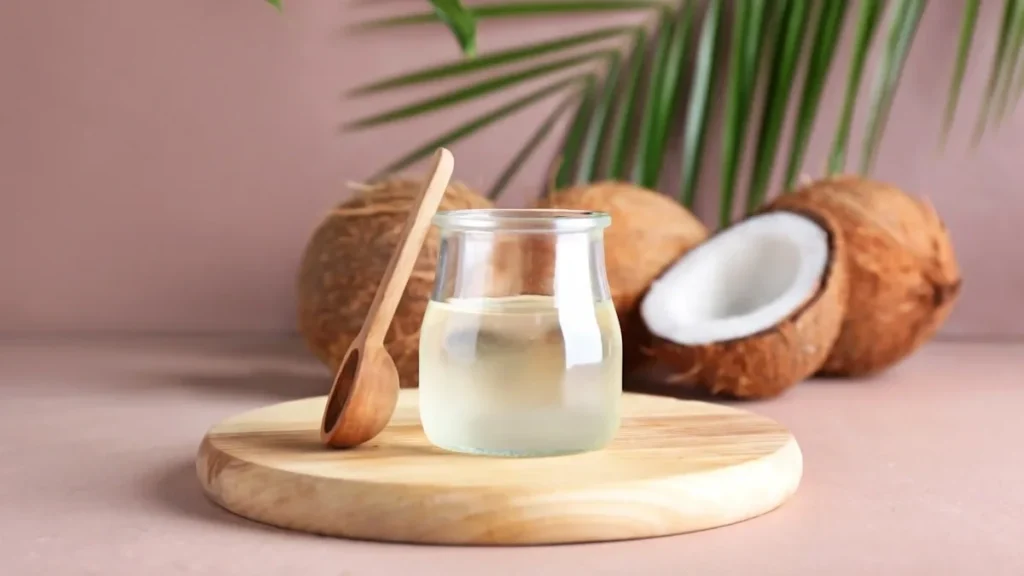
There’s something almost nostalgic about coconut oil — the smell, the texture, that feeling like you’re doing something ancient and simple for yourself. When you’re thinking again about how to remove thick dead skin from feet home remedy options without fancy products, coconut oil tends to show up like an old friend.
Thick dead skin, especially around the cracked heels, sometimes needs more than soaking and scrubbing — it needs occlusion, meaning a rich barrier that traps moisture in.
Coconut oil works as an occlusive moisturizer, helping replenish dry skin, especially after a foot soak with Epsom salt or baking soda. And if coconut oil isn’t your favorite, you can swap it with shea butter, cocoa butter, olive oil, or castor oil — some people even mix them like they’re making a foot-care potion.
How to do the coconut oil overnight repair?
- Wash or soak your feet first (optional but way more effective after a soak).
- Pat dry — not rough rubbing, think towel hugs.
- Apply a generous layer of coconut oil or shea butter to your heels, toes, and any hard skin on your feet.
- Slip on cotton socks (not synthetic ones; they trap sweat and may irritate diabetic skin or sensitive feet).
- Sleep. Let your feet marinate in softness.
Why oils can help restore the skin barrier?
- They reduce transepidermal water loss (TEWL), meaning moisture stays inside the skin longer.
- They support healing in cracked heels and dry, rough areas.
- Oils pair beautifully with Alpha-hydroxy acid or lactic acid treatments if you ever follow up with gentle exfoliating lotions.
Alternatives if coconut oil feels too heavy
| Moisturizer Option | Skin Benefit |
| Shea butter | Deep hydration, great for thick calluses |
| Castor oil | Dense, slow-absorbing, supports soft tissue healing |
| Cocoa butter | Barrier restoration, smells like dessert |
| Hyaluronic acid cream | Works well under occlusive oils |
Pro Tip: If you want next-level foot care, mix coconut oil with a pea-sized amount of urea cream (10–20% range). It helps dissolve dead skin slowly over time — like a mini BHA/AHA acid exfoliant without the harsh feeling.
🍯 Home Remedy #4: Honey Healing Foot Mask
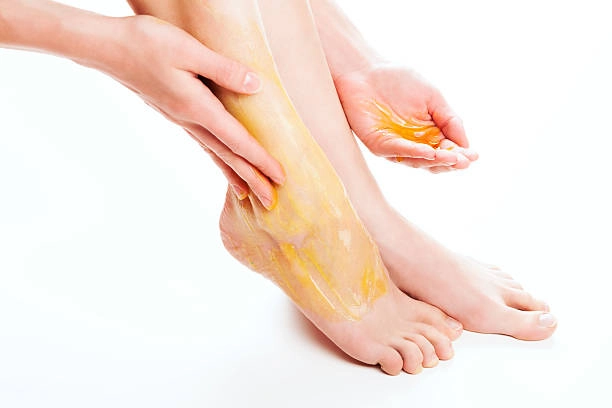
Honey on your feet might sound strange until you remember how many cultures used it for wounds, burns, and skin repair. When people talk about home remedies for hard skin, especially in natural skincare circles, honey always gets a respectful nod.
It can feel sticky, yes, and maybe you’ll laugh at yourself while applying it, but it’s surprisingly soothing for cracked heels and overly dry, irritated skin.
If you’ve been searching for how to remove thick dead skin from feet home remedy treatments that feel more like self-care than a chore, this one might become your weekend ritual. Honey contains enzymes and has antibacterial and anti-inflammatory properties. And some claim Manuka honey works even better, though raw honey is often enough.
How to apply a honey foot mask
- Wash or soak your feet (warm water + sea salt, oatmeal, or milk if your skin is easily irritated).
- Apply a layer of raw honey or Manuka honey over your heels and areas with thick dry skin.
- Let it sit for 20–30 minutes.
- Rinse with warm water and follow with moisturizing cream or foot balm.
Why honey works well for feet
- Helps soften dry, dead skin for easier exfoliation later
- Supports healing if you have small heel fissures (not open wounds)
- Helps maintain skin pH balance and bacterial control, which may help with foot odor or early foot fungus concerns
Raw Honey vs. Manuka Honey Comparison
| Type | Benefits | When to choose it |
| Raw Honey | Affordable, easy to find, great everyday softening | General dryness, mild rough skin |
| Manuka Honey | Stronger antibacterial profile, more reparative | Cracked heels, irritated skin, stubborn rough patches |
Optional add-ins to make it feel spa-like
- A drop of lavender or peppermint essential oil
- A pinch of rice flour to turn it into a mild foot scrub
- Aloe vera gel if the skin feels hot or irritated
Tiny human moment:
The first time I tried a honey mask on my feet, I dropped some on the floor, stepped in it, and nearly created a live-action Winnie-the-Pooh scenario. So, maybe keep a towel underneath. Just saying.
🥣 Home Remedy #5: Baking Soda Exfoliating Scrub
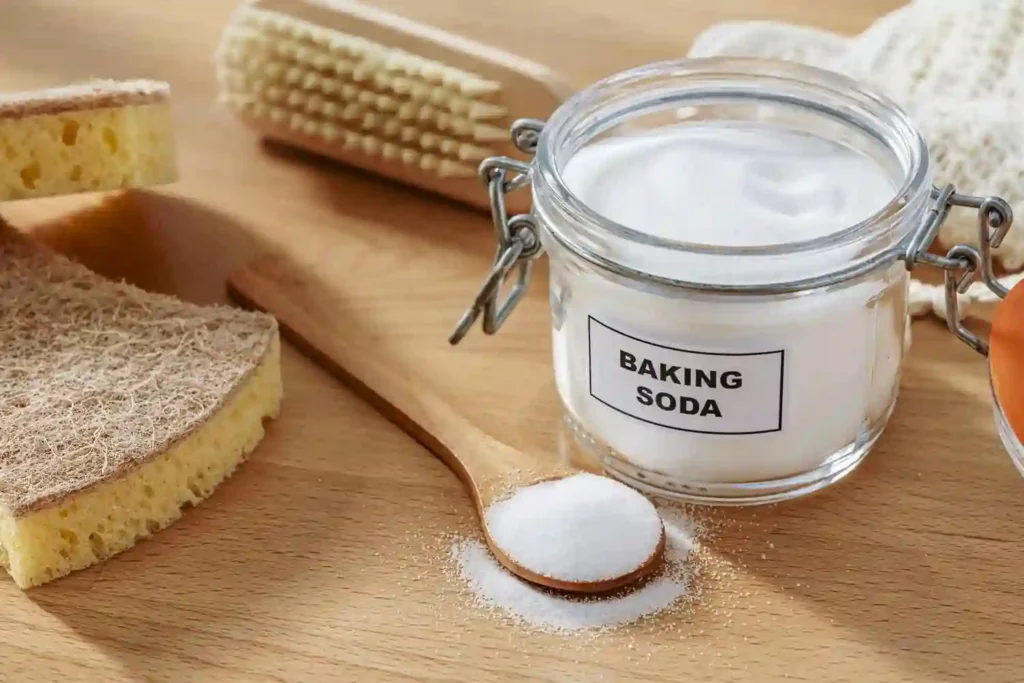
Baking soda is one of those kitchen staples that seems to show up everywhere — cleaning counters, whitening teeth, and now, apparently, saving your feet from thick dead skin. If you’ve been thinking about how to remove thick dead skin from feet home remedy without fancy chemicals, baking soda is gentle yet surprisingly effective.
It’s slightly alkaline, helps balance skin pH, and works as a mild physical exfoliant for calluses and hard skin on feet.
How to use baking soda for your feet
Method 1: Soak
- Mix 3 tablespoons of baking soda into a basin of warm water.
- Soak feet for 10–15 minutes.
- Pat dry, then follow with moisturizing cream or coconut oil occlusive treatment.
Method 2: Scrub Paste
- Make a thick paste using baking soda + a few drops of water.
- Gently massage onto thick skin areas (heels, balls of feet).
- Rinse and moisturize.
Safety tips:
- Avoid over-scrubbing — it can irritate skin or worsen soap dermatitis.
- Great for most skin types, but sensitive or diabetic skin should start with a shorter soak or thinner paste.
Why baking soda works
- Softens calluses for easier removal with foot files or pumice stones.
- Helps neutralize odor — particularly useful if you deal with athlete’s foot or sweaty shoes.
- Mild enough to combine with other ingredients like lemon juice, honey, or essential oils.
Pro Tip: If your skin is very dry or cracked, follow the scrub with silicone socks overnight. The combination locks in moisture and amplifies softening effects.
🥑 Home Remedy #6: Aloe Vera Gel Overnight Wrap
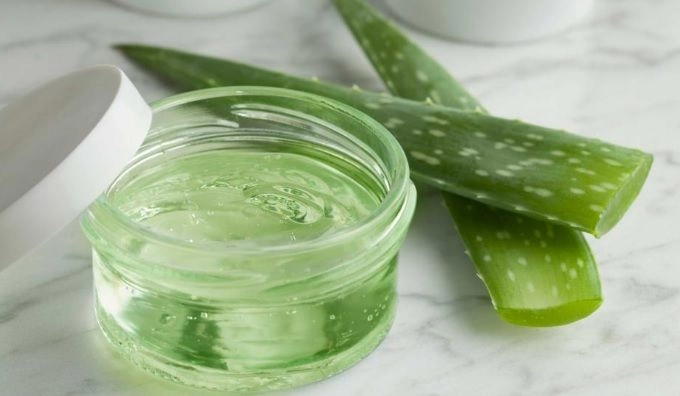
Aloe vera is basically the celebrity of home skincare — soothing, cooling, and surprisingly magical if you have dry, dead skin on feet.
When you’re trying how to remove thick dead skin from feet home remedy routines, aloe is like a safety net: it supports skin regeneration, calms irritation, and can even help repair cracked heels after a soak or exfoliation.
How to do an overnight aloe wrap
- Cleanse your feet thoroughly — ideally after a soak.
- Apply a generous layer of pure aloe vera gel over the dry areas.
- Optional: mix with coconut oil, shea butter, or castor oil for extra occlusion.
- Slip on cotton socks to keep it all in place.
- Leave overnight and rinse in the morning, following with your favorite moisturizing cream.
Benefits of aloe vera for feet
- Provides cooling relief to inflamed skin.
- Supports natural exfoliation through gentle enzymatic action.
- Keeps hard skin on feet soft and prevents excessive dryness.
- Works well combined with Alpha-hydroxy acid or lactic acid treatments if you want extra softening.
Quick List: When aloe is especially useful
- For sensitive or diabetic skin needing gentle hydration
- Post Baking Soda or ACV soak to calm irritation
- During dry winter months when thick dead skin tends to worsen
Pro Tip: For extra results, sprinkle a tiny bit of rice flour into the aloe layer before putting on socks. It adds mild exfoliation while still keeping feet hydrated — like a gentle foot peel without harsh acids.
🍌 Home Remedy #7: Banana & Avocado Foot Mask
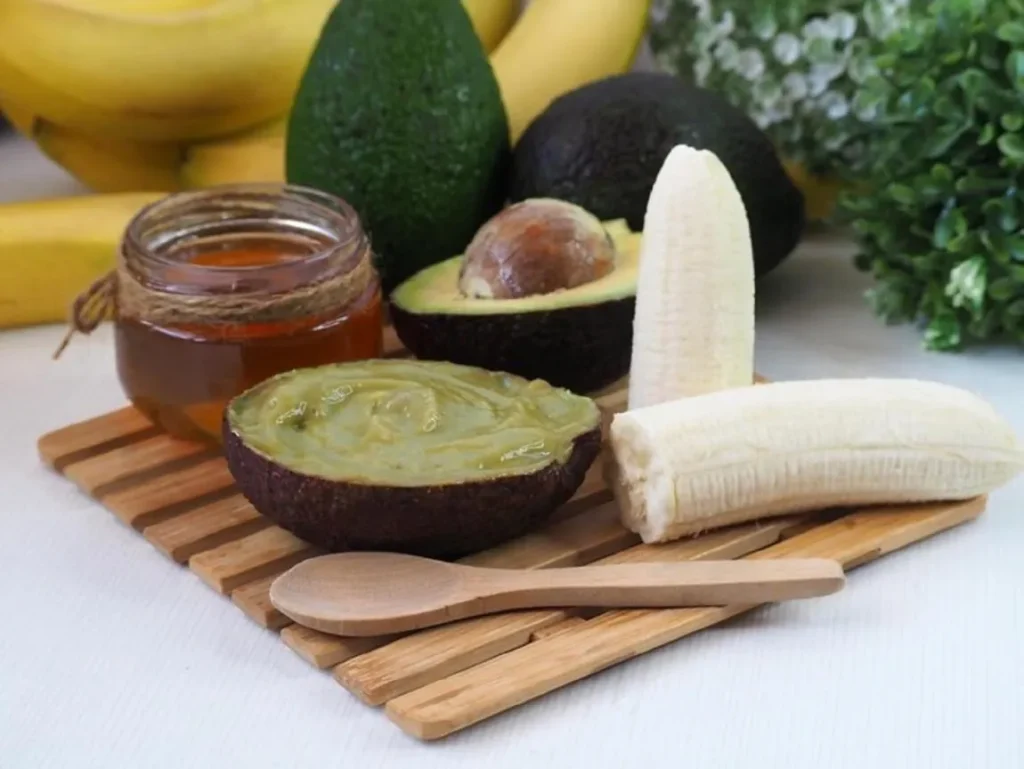
If you’ve ever wondered whether your breakfast could double as a foot treatment, this is it. Bananas and avocados are full of vitamins and fatty acids that help soften dry heels and nourish thick dead skin on feet. When it comes to how to remove thick dead skin from feet home remedy, this mask is gentle, hydrating, and surprisingly effective if used consistently for glowing skin.
Why banana and avocado work
- Banana contains natural enzymes that gently exfoliate and smooth skin.
- Avocado is rich in oleic acid and vitamin E, perfect for deep hydration and repairing cracked heels.
- Together, they create a creamy paste that sticks to your skin and lets your feet soak in moisture.
How to make and apply
| Ingredient | Amount | Benefit |
| Ripe banana | 1 | Gentle natural exfoliation, smoothing |
| Ripe avocado | 1/2 | Deep hydration, softens hard skin |
| Honey (optional) | 1 tsp | Antibacterial, maintains skin pH |
| Olive oil or coconut oil | 1 tsp | Occlusive moisturizing effect |
Steps:
- Mash banana and avocado into a smooth paste. Add honey or oil if desired.
- Apply to thick dead skin areas on feet.
- Wrap feet in cotton socks and leave 20–30 minutes.
- Rinse with warm water and pat dry. Apply a light layer of moisturizing cream.
Pro Tip: For stubborn calluses, gently massage the paste into the skin in circular motions before wrapping. This helps loosen hard skin on feet without harsh scrubbing.
🌾 Home Remedy #8: Oatmeal & Milk Exfoliating Soak
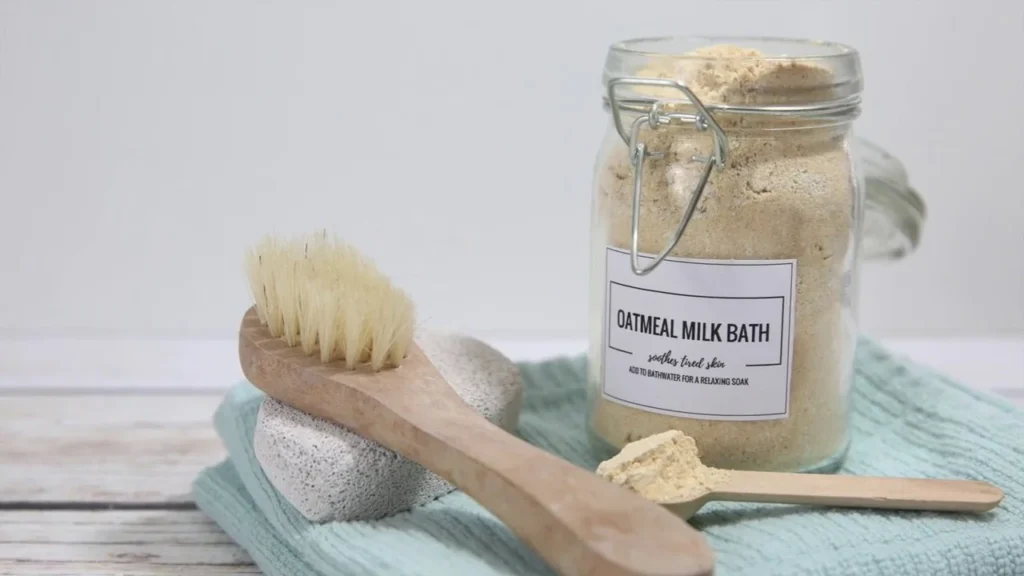
Oatmeal isn’t just for breakfast anymore — it’s a surprisingly gentle yet effective home remedy for softening thick dead skin and calming dry, irritated feet. Combine it with milk, and you get a lactic acid-rich soak that promotes natural exfoliation and restores hydration.
Why oatmeal and milk are good for feet
- Oatmeal: Calms inflammation, soothes skin irritation, helps with rough toes and heels.
- Milk: Contains lactic acid, an Alpha-hydroxy acid (AHA) that softly exfoliates dead skin.
- Great for sensitive skin or those prone to foot dryness or soap dermatitis.
How to prepare the soak
| Ingredient | Amount | Purpose |
| Warm water | Enough to cover feet | Comfort & hydration |
| Ground oatmeal | 1/2 cup | Soothes irritation, gentle exfoliant |
| Milk | 1/2 cup | Natural AHA, softens thick skin |
| Optional: honey or essential oil | 1 tsp | Moisturizes, antibacterial, or relaxing scent |
Steps:
- Mix oatmeal and milk into warm water.
- Soak feet for 15–20 minutes.
- Gently massage with a soft scrub brush or your hands.
- Pat dry and apply foot cream, coconut oil, or silicone socks overnight.
Pro Tip: If you want extra softening, sprinkle a pinch of baking soda into the soak. It helps neutralize odor and lightly exfoliates calluses and thick skin. But don’t overdo it — once or twice a week is enough.
🧂 Home Remedy #9: Sea Salt or Sugar Foot Scrub
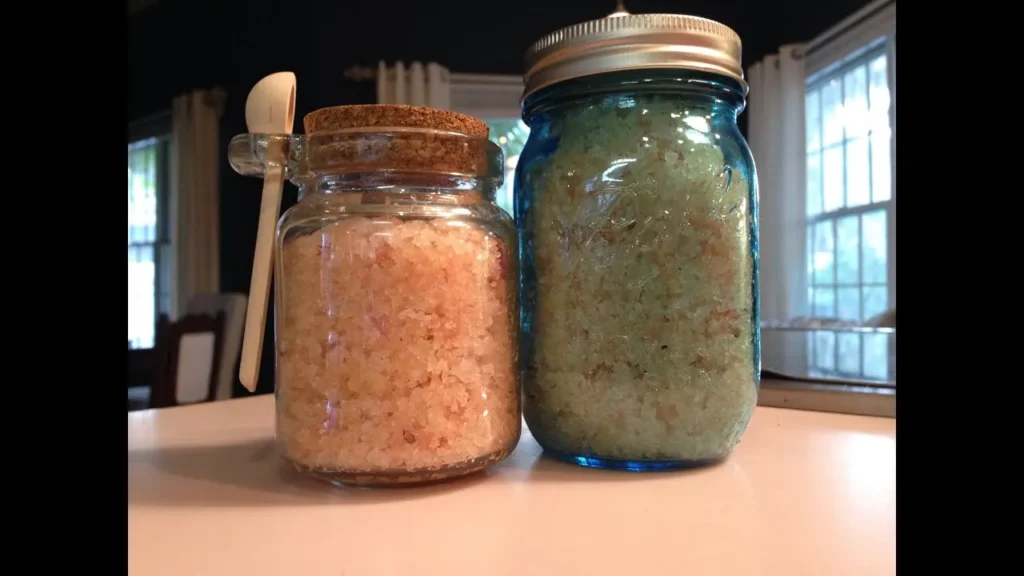
Scrubs are the part of home remedies for hard skin that feel slightly indulgent, almost spa-like, yet are incredibly practical. Whether you use sea salt or sugar, the goal is the same: gently remove thick dead skin on feet, polish calluses, and leave your heels feeling smooth. When thinking about how to remove thick dead skin from feet home remedy, scrubs complement soaks and moisturizers perfectly.
Sugar vs Sea Salt: Which to choose?
| Scrub Type | Texture | Best For | Notes |
| Sugar | Softer, dissolves quickly | Sensitive or dry skin | Mild exfoliation, less harsh |
| Sea Salt | Coarser | Thick calluses, rough heels | Stronger scrub, better for stubborn hard skin |
How to make your scrub
Ingredients:
- 1/2 cup sugar or sea salt
- 2–3 tbsp carrier oil (coconut, olive, or castor oil)
- Optional: A few drops of tea tree oil (antibacterial), essential oil (lavender, peppermint)
Steps:
- Mix ingredients into a paste.
- Apply to thick skin areas on damp feet (after soak).
- Massage in circular motions for 2–3 minutes.
- Rinse with warm water and pat dry.
- Follow with moisturizer or silicone socks for overnight hydration.
Pro Tip: For stubborn calluses, gently scrape with a pumice stone or foot file after scrubbing. Avoid metal cutters or razors — especially at home — to prevent skin irritation or infection.
🍋 Home Remedy #10: Lemon & Glycerin Softening Treatment
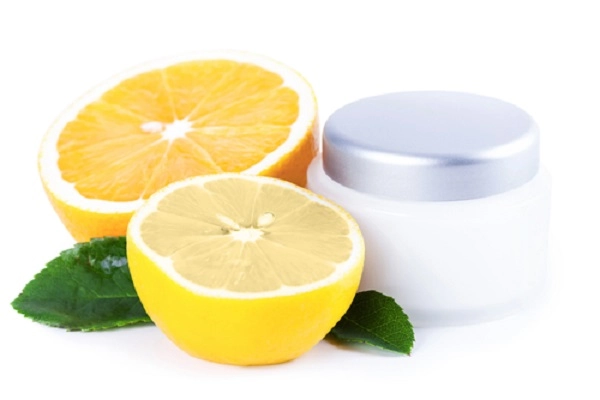
Lemon and glycerin together might seem like an unusual pairing, but they are a powerhouse combination for softening thick dead skin. Lemons provide citric acid, a natural AHA, helping gently exfoliate, while glycerin locks in moisture.
If you’re still figuring out how to remove thick dead skin from feet home remedy, this treatment feels light, refreshing, and surprisingly effective.
How to make the lemon & glycerin foot treatment
| Ingredient | Amount | Purpose |
| Warm water | Enough to cover feet | Prepares skin |
| Lemon juice | 2–3 tbsp | Gentle AHA exfoliation, softens calluses |
| Glycerin | 1 tbsp | Moisture retention, prevents dryness |
| Optional: honey or essential oil | 1 tsp | Antibacterial, soothing scent |
Steps:
- Mix lemon juice and glycerin into warm water.
- Soak feet for 10–15 minutes.
- Massage gently on thick skin areas.
- Rinse and follow with moisturizing cream, coconut oil, or silicone socks.
Cautions:
- Lemon is acidic — don’t use on open cracks or irritated skin.
- Sensitive skin should dilute lemon juice with extra water.
- Avoid mixing with bleach or other harsh chemicals.
Pro Tip: If your skin is extra rough, combine the lemon-glycerin soak with a gentle foot scrub beforehand. The acids help loosen dead skin, and the scrub completes the smoothing process — kind of like a one-two punch for soft feet.
🧽 Tools & Techniques to Boost Results
So you’ve tried soaks, scrubs, and natural masks, but sometimes your feet need a little extra help. This is where tools like pumice stones, foot files, callus shavers, and electric foot removers come in.
When used correctly, they can dramatically speed up how to remove thick dead skin from feet home remedy routines. But caution: misusing them can cause skin irritation, cracks, or infections — especially for diabetic skin or sensitive areas.
Foot care tools and their uses
| Tool | Best For | Safety Tips |
| Pumice stone | Light calluses, rough spots | Use after soak, gentle circular motions |
| Manual foot file | Thicker dead skin | Avoid aggressive scraping; sterilize regularly |
| Callus shaver | Very thick calluses | Only use with clean, dry skin; avoid open wounds |
| Electric foot file / Micro Pedi (Emjoi) | Fast exfoliation | Keep on low speed, don’t overuse; follow manufacturer guidelines |
Quick Dos and Don’ts
- ✅ Do: Use after foot soaks when skin is soft
- ✅ Do: Apply a moisturizing cream, shea butter, or coconut oil afterward
- ❌ Don’t: Use razors or metal cutters at home — too risky
- ❌ Don’t: Share tools with others to prevent foot fungus or bacterial infections
Pro Tip: For best results, combine tools + home remedies in a mini routine: soak → scrub → gently file → moisturize → occlusive wrap (cotton socks). It’s basically a foot spa at home, without any harsh chemicals.
👟 Preventing Dead Skin Buildup: Daily + Weekly Foot Care
Once you’ve gotten rid of thick skin, the next step is keeping it from coming back. Prevention is often easier than cure, but it requires small daily habits. Incorporating moisturizing routines, breathable footwear, hydration, and gentle exfoliation can help you maintain smooth feet.
Daily foot care habits
- Moisturize every morning and night — creams like CeraVe Moisturizing Cream, NIVEA Soft, or shea butter work wonders.
- Wear cotton socks to reduce friction and trap moisture.
- Change socks daily, especially if your feet sweat — foot fungus prevention matters.
- Check your feet for cracks or irritation, particularly if you have diabetic skin or circulation issues.
Weekly care habits
- Soak feet once a week (Epsom salt, ACV, oatmeal & milk)
- Gently exfoliate with a pumice stone, scrub, or soft brush
- Rotate footwear and opt for breathable, supportive shoes
- Hydrate internally — your skin shows it when you don’t drink enough water
Nutrition & Lifestyle
- Omega-3-rich foods can improve skin elasticity
- Adequate sleep helps prevent dry, flaky skin
- Avoid prolonged standing on hard surfaces if possible
Pro Tip: Combine preventive care with stress management and circulation exercises — ankle rotations, calf stretches, and gentle walking can improve blood flow, making your foot care regimen even more effective.
🧘 Lifestyle & Wellness Tips (Holistic Support)
Taking care of your feet isn’t just about scrubs and soaks — your lifestyle plays a huge role in preventing thick, dead skin on your feet. Honestly, it’s easy to forget that feet are sensitive to stress, circulation, diet, and even sleep. When you’re thinking about how to remove thick dead skin from your feet home remedy, integrating holistic wellness makes all the difference.
Stress, circulation & foot health
- Foot stretches & ankle rotations: improve blood flow and prevent callus buildup
- Walking barefoot on soft surfaces: gently massages soles, encourages natural exfoliation
- Mindfulness & relaxation: stress can affect skin regeneration — oddly enough, stressed feet sometimes hurt more
Dry skin is connected with sleep, hormones, and diet
- Poor sleep can reduce skin hydration, worsening rough toes and heels
- Hormonal fluctuations may make foot dryness more pronounced
- Nutrition matters: foods rich in omega-3s and vitamin E support skin elasticity
Pedicure safety + eco-friendly self-care
- Always sterilize tools; avoid shared scrapers or foot files
- Prefer natural pedicure ingredients: shea butter, coconut oil, honey, and gentle Alpha-hydroxy acids (AHA)
- Silicone socks, cotton socks, and breathable shoes reduce friction and prevent hard skin on feet
Pro Tip: Treat your weekly foot soak as a mini self-care ritual — light a candle, play soft music, and let it feel indulgent. The more consistent and enjoyable your foot care regimen, the more likely your thick dead skin stays under control.
Conclusion
Managing thick, dead skin on feet doesn’t have to feel overwhelming. Using home remedies like Epsom salt soaks, ACV treatments, baking soda scrubs, and moisturizing oils, along with regular tools like pumice stones or foot files, can soften hard skin, prevent cracks, and keep your feet healthy.
Consistency is key: combine soaks, exfoliation, hydration, and lifestyle habits for long-term results. And if your skin issues are severe, painful, or persistent, consulting a podiatrist or dermatologist ensures safe, effective care — particularly for diabetic skin or foot fungus concerns.
With a little patience, some self-care rituals, and a few simple ingredients from your kitchen, soft, smooth feet aren’t just a dream — they’re completely achievable.
❓ Frequently Asked Questions (FAQs)
1. What is the fastest way to get dead skin off your feet?
Soaking first in Epsom salt or ACV, then gently scrubbing with a pumice stone or foot file usually works best.
2. How to permanently remove hard skin from feet?
Consistency matters: weekly soaks, scrubs, moisturizing, and lifestyle adjustments prevent recurrence.
3. Does soaking your feet in vinegar remove dead skin?
Yes — apple cider vinegar softens skin, helps with foot fungus, and prepares the feet for easier exfoliation.
4. How to remove dead skin from the ankle bone?
Soak, then use a soft scrub brush. Avoid razors — the skin here is thinner and more delicate.
5. Is it OK to peel dead skin off?
Occasionally, but avoid forceful peeling — it can cause cracks, infection, or worsen hard skin on feet.
6. What’s the best homemade foot scrub?
Options include baking soda paste, sugar or sea salt scrub, or banana & avocado mask for softening and exfoliation.
7. What is the best hard skin remover for feet?
Combination approach works: foot soak + pumice stone + moisturizing cream. Electronic files like Emjoi Micro Pedi are also effective with care.
8. How to soften feet overnight?
Apply coconut oil, shea butter, or aloe vera gel, cover with cotton socks, and leave it overnight.
9. Is it better to file feet dry or wet?
Wet or soaked skin is ideal — it reduces friction and prevents skin irritation or micro-cuts.
10. What is the best homemade foot soak to remove dead skin?
Epsom salt, apple cider vinegar, oatmeal & milk, or a baking soda soak. Soak 10–20 minutes, then follow with a scrub and moisturizer.