

Maybe you’ve been there — waking up groggy, head pounding, partner nudging you again because your snoring sounds like a freight train. It’s more than just bad sleep. It’s that hollow kind of tired that seeps into your mornings and makes coffee feel like a lifeline.
And if you’ve ever used a CPAP machine, you probably know it can help, but it’s… well, not exactly cozy. The good news? There are natural remedies for sleep apnea that can actually make a real difference — the kind that don’t rely on bulky machines or endless discomfort.
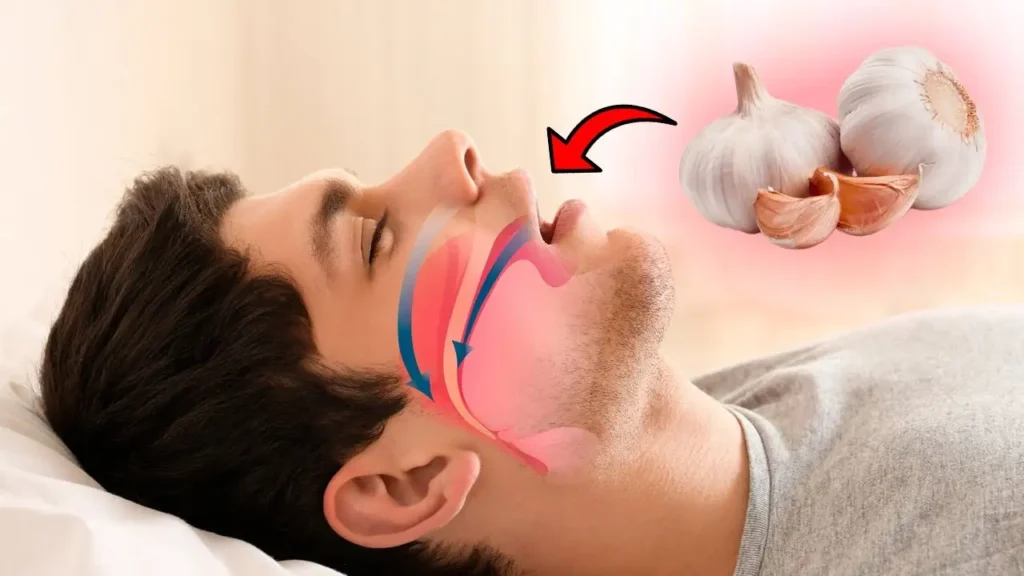
Sleep apnea, in simple terms, is when your breathing keeps pausing while you sleep. Sometimes the brain forgets to send the right signals (that’s called central sleep apnea). Other times, your airway physically closes or collapses — that’s obstructive sleep apnea (OSA), and it’s the most common one. Both can seriously mess with your oxygen levels, sleep quality, and your mood the next day.
So, why even bother with natural approaches when there’s technology and medication out there? Because sometimes, you just want your body to work with you, not against you. These methods are about strengthening your own systems — improving muscle tone, opening the upper airway, and making small lifestyle changes that stick. Fewer side effects. More control. And, let’s be honest, more hope.
In this guide, we’ll walk through 10 natural remedies for sleep apnea that actually work — from simple breathing exercises and positional tweaks to nutrition, herbal support, and mindfulness techniques. Each one is backed by real studies and practical experience (not just internet folklore). By the end, you might even start believing that restful, quiet nights are still possible.
Natural Remedies for Sleep Apnea
Explain how breathing pauses occur, difference between OSA and CSA, and common symptoms (snoring, gasping, headaches). Discuss root causes: excess fat, nasal obstruction, weak airway muscles, poor sleep posture. Include how natural remedies target underlying causes like inflammation, muscle tone, and airway health.
What Really Happens When You Have Sleep Apnea
When people hear “sleep apnea,” they often think of loud snoring. But that’s just the surface noise. What’s really happening runs deeper — your body is fighting to breathe while you’re unconscious.
Imagine drifting off, only to have your airway close up for a few seconds… then your brain jolts you awake, just enough to gasp and start the cycle again. It’s exhausting, even if you don’t remember waking up. That’s the messy truth behind natural remedies for sleep apnea — they aim to fix why it happens, not just silence the snore.
There are two main types: obstructive sleep apnea (OSA), where soft tissues in your throat collapse and block the airway, and central sleep apnea (CSA), where the brain simply forgets to send the “breathe now” signal.
Sometimes, both overlap — called “complex sleep apnea.” Each disrupts oxygen flow, fragments deep sleep, and can ripple into everything from daytime fatigue to mood swings or even heart strain.
Common symptoms?
- Loud, chronic snoring
- Gasping or choking at night
- Morning headaches
- Brain fog and irritability
- Dry mouth (especially if you mouth-breathe)
And the causes vary: weight gain that narrows worsens it.
Why Addressing the Root Cause Matters
See, the goal isn’t just to patch the problem with machines or masks. It’s to build a system that supports itself. Natural approaches — like strengthening muscles of the mouth and throat, improving airway resistance, or reducing inflammation — go to the source. They help your body remember how to breathe freely again.
When you improve your sleep posture, tone your the airway, nasal congestion, weak throat muscles, or just poor sleeping positions that make your tongue fall backward. Even small things like alcohol or sedatives or oral muscles, or eat foods that calm airway inflammation, you’re not just chasing symptoms. You’re retraining your body.
I. Remedy #1: Weight Loss and Body Composition Balance
Focus on weight loss, body composition, and their effect on airway obstruction. Discuss BMI correlation with apnea severity. Include practical tips: clean eating, portion control, resistance and aerobic exercise, yoga, HIIT. Highlight sustainable fitness strategies to strengthen respiratory muscles and reduce apnea events.
Shedding Pounds, Opening Airways
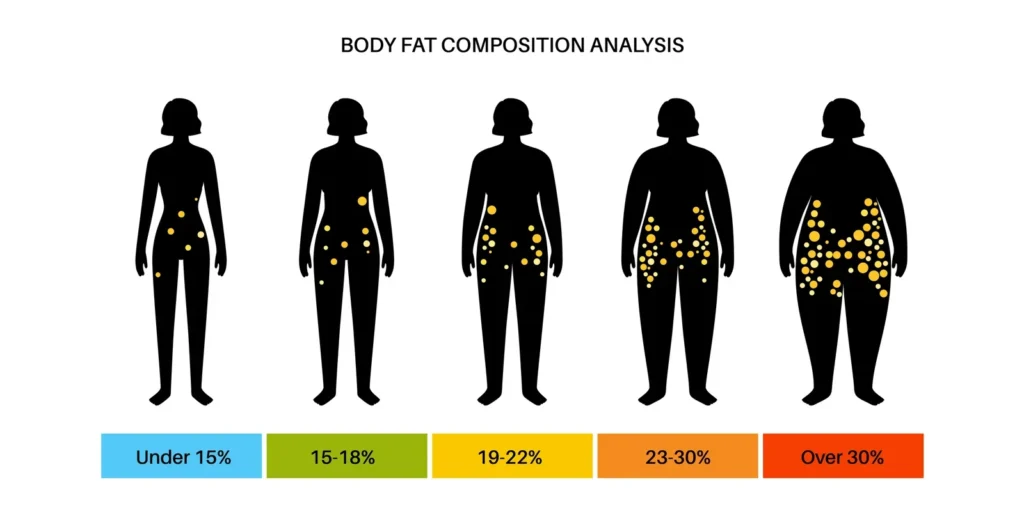
Here’s the part no one loves to talk about — but it matters more than most people think. Carrying extra weight, especially around your neck, jawline, or abdomen, can press on your airways like a gentle but persistent hand.
It narrows the passage where air should flow freely, and that’s where obstructive sleep apnea really takes hold. Losing even a little weight can help reduce airway obstruction and improve your sleep quality dramatically.
When you think about it, it’s not just about the scale. It’s about how your body composition affects the space and strength of your upper airway. Fat deposits around the throat and tongue base can make airway collapse more likely.
Studies show that a 10% drop in body weight can cut sleep-disordered breathing episodes by up to 30%. That’s pretty significant — and you don’t have to be an athlete to get there.
A few grounded, doable steps:
- Eat clean, mostly whole foods. Skip processed foods, reduce sugar, and cut back on tobacco products and alcohol.
- Add resistance training 2–3 times a week. Strengthening your respiratory muscles and posture-supporting muscles helps too.
- Walk or cycle daily. Even light cardio boosts oxygen flow and lowers airway pressure during sleep.
- Track your progress. Keep a small journal — jot down how you feel each morning, not just your weight.
Science-Backed Fitness Strategies
If you’ve ever felt winded after a flight of stairs, this will sound familiar: your airway muscles need training like any other muscle group. Exercises like yoga, HIIT, or brisk walking increase oxygen saturation and help regulate airway resistance naturally. Over time, this builds a stronger foundation for better breathing at night.
| Activity Type | Benefit for Sleep Apnea | Frequency |
| HIIT (High Intensity Interval Training) | Improves oxygen levels and metabolic rate | 2–3x per week |
| Yoga and Breathing Exercises | Strengthens diaphragm and throat muscles | Daily or every other day |
| Resistance Training | Improves posture and airway stability | 2–3x per week |
| Walking or Light Cardio | Enhances circulation and lung capacity | 20–30 mins daily |
Pro Tip: If you feel discouraged, don’t chase perfection. Even a 5–7 pound loss can reduce snoring, increase airflow, and ease the pressure on your throat muscles. Think small, steady progress — that’s what the body understands best.
II. Remedy #2: Sleep Position Therapy
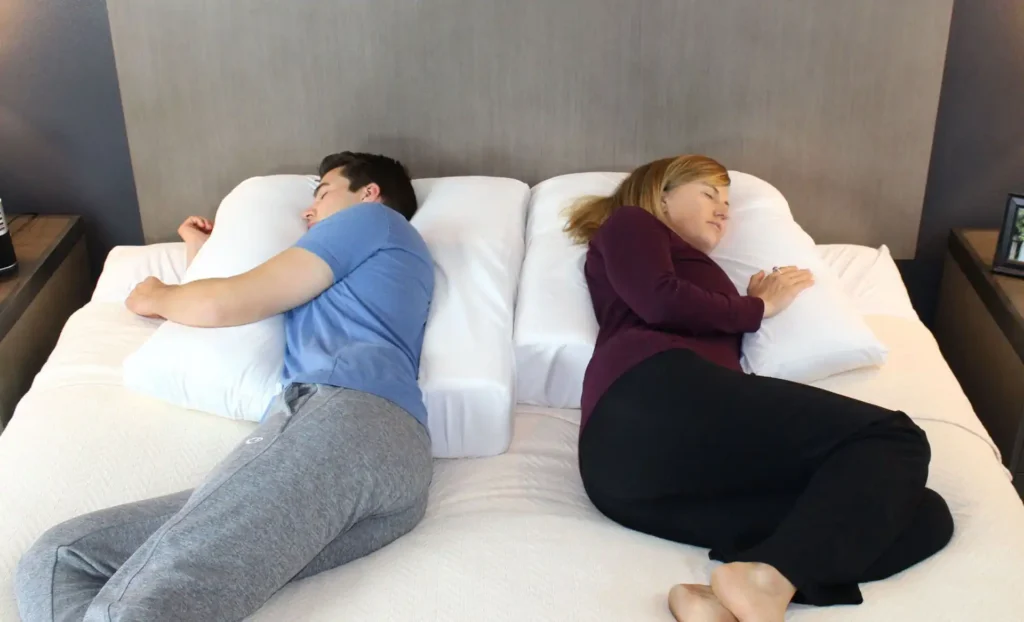
Explain why back sleeping worsens apnea, benefits of side sleeping, positional devices, wedge pillows, and DIY hacks like the tennis ball trick. Include info on the left-side advantage for improved airflow, digestion, and oxygen saturation.
Change How You Sleep, Change How You Breathe
You might not realize it, but the way you sleep could be one of the biggest triggers behind your nightly breathing pauses. When you lie on your back, gravity pulls your tongue and soft palate backward — narrowing the upper airway.
It’s a simple thing, but it’s the main reason sleeping on your side can work wonders for people with mild to moderate obstructive sleep apnea.
Ever heard of Positional Therapy? It’s a low-tech, high-impact way of reducing airway pressure. Instead of forcing air through with a CPAP machine, you simply adjust your sleeping position to keep the airway open naturally.
You can use a body pillow, a tennis ball trick (yes, that’s a real thing — just tape one to the back of your shirt to avoid rolling over), or a wedge pillow that slightly elevates your torso.
Some people even experiment with auto-adjusting PAP devices or oral appliances in combination with positional therapy. But if you prefer natural approaches, start with posture and sleep hygiene first — your body may surprise you.
Pro Tip: If you’re going to pick a side, go left. Sleeping on your left side not only improves airflow but also supports better digestion and blood circulation. It reduces airway resistance, enhances oxygen flow, and lowers the likelihood of airway collapse during deep sleep.
Here’s a quick comparison:
| Sleeping Position | Airflow Impact | Notes |
| Back (Supine) | ❌ Restricts airway, increases snoring | Avoid if you have OSA |
| Right Side | ✅ Better than back, but may affect digestion slightly | Acceptable |
| Left Side | ✅✅ Best for airway openness and heart circulation | Ideal position |
| Stomach (Prone) | ⚠️ Reduces snoring, but strains neck/back | Short-term option only |
So maybe start simple tonight — hug a body pillow, prop up your torso with a wedge, and notice how your breathing feels after a few nights.
III. Remedy #3: Throat and Tongue Exercises
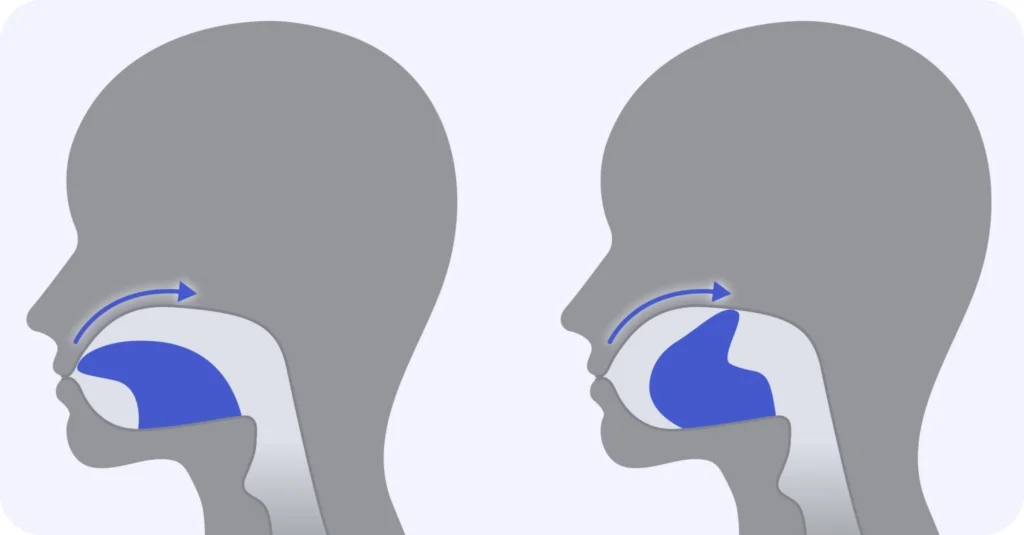
Discuss myofunctional therapy, exercises to strengthen tongue and throat muscles, reduce apnea events, and improve oxygen flow. Include yoga breathing techniques to enhance nasal breathing and airway stability. Add simple daily routines with steps and tips.
Strengthen Your Airway Muscles Naturally
It’s easy to overlook your throat and tongue muscles, but these little guys play a huge role in keeping your upper airway open. Weak muscles here allow your soft palate and tongue to collapse backward during sleep, worsening obstructive sleep apnea.
Enter myofunctional therapy — a fancy term for exercises that strengthen the muscles of your mouth, tongue, and throat.
Some simple daily exercises can make a real difference:
Try these 3–4 moves:
- Tongue Slide: Press the tongue to the roof of your mouth and slide it backward slowly. Repeat 10–15 times.
- Vowel Sounds: Exaggerate “A-E-I-O-U” sounds, holding each for 3–5 seconds. Strengthens the muscles of the mouth.
- Chewing Motion: Mimic chewing without food, opening your mouth fully. Repeat 20–30 times.
- Soft Palate Lift: Say “ng” while keeping the tongue at the roof of your mouth. Repeat 10–15 times.
Studies show that consistent practice can reduce the number of apnea events, improve oxygen saturation, and even make CPAP therapy less necessary for mild cases.
Combining Exercise with Breathing Techniques
Pairing these exercises with yoga and breathing exercises (like pranayama) can further enhance respiratory muscle strength and oxygen flow. Focus on nasal breathing, which naturally reduces mouth breathing, lowers airway resistance, and improves overall sleep health.
Pro Tip: Set aside 10–15 minutes before bed for a small oral muscle routine. It’s subtle, but consistency is what trains your tongue posture and throat muscles to support unobstructed breathing.
VI. Remedy #4: Herbal and Natural Anti-Inflammatories

Include herbs like turmeric, ginger, chamomile, valerian root, and antioxidant-rich foods. Explain how they reduce airway inflammation and support sleep quality. Add herbal tea recipes, nasal decongestion tips, and safety notes for those on medication.
Healing Your Airways from the Inside Out
Inflammation in your upper airway can exacerbate airway obstruction and worsen sleep-disordered breathing. The good news? Nature has some anti-inflammatory helpers.
Herbs like turmeric, ginger, chamomile, and valerian root can soothe tissues, reduce swelling, and support oxygen saturation during sleep. Even antioxidant-rich foods — think berries, leafy greens, and fatty fish — can promote respiratory health.
Simple Herbal Teas for Bedtime Relief:
- Turmeric-Ginger Tea: 1 cup hot water, ½ tsp turmeric, ½ tsp grated ginger, honey optional. Reduces inflammation and supports airway function.
- Chamomile-Valerian Blend: Calms the nervous system, encourages sleep quality, and supports mild central sleep apnea cases.
- Peppermint Steam: A few drops in hot water before bed help nasal decongestion and airway clearance.
Safety note: Always check with a sleep specialist if you’re on medications — some herbs can interact with prescriptions.
Why Anti-Inflammatory Support Matters
Chronic inflammation narrows the upper airway, increases airway resistance, and reduces oxygen flow. By incorporating these herbal remedies with other lifestyle changes — like losing weight, sleep position therapy, or throat exercises — you create a multi-pronged strategy for natural relief.
Pro Tip: Keep a sleep diary noting which herbal teas or anti-inflammatory foods improve snoring or sleep quality. Patterns appear faster than you’d expect.
V. Remedy #5: Nasal Hygiene and Breathing Aids
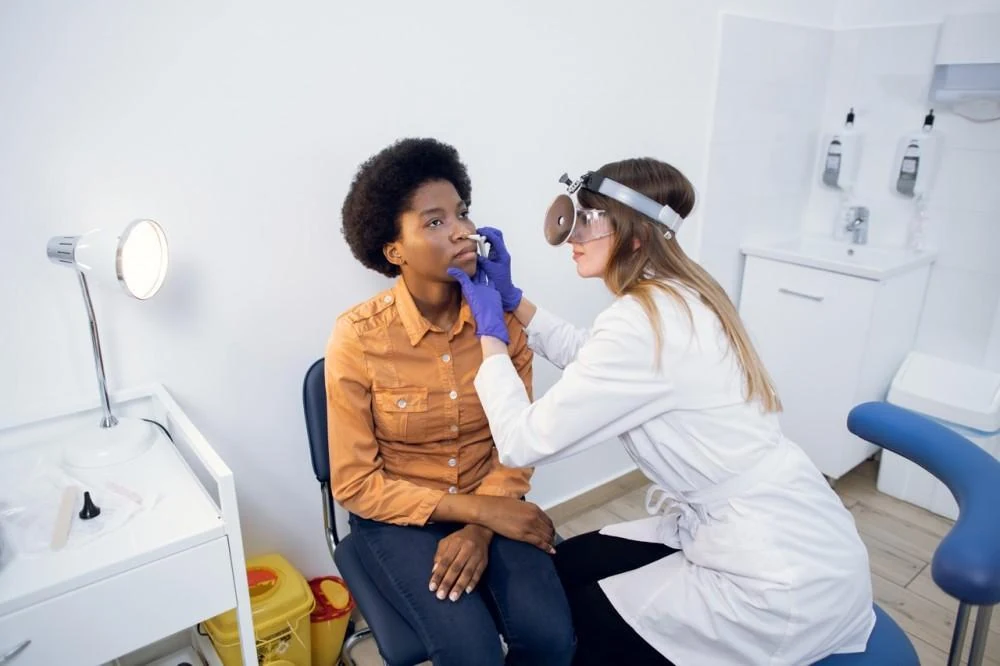
Cover the importance of nasal breathing, saline sprays, neti pots, steam inhalation, essential oils (eucalyptus, peppermint), and environmental upgrades like air purifiers. Discuss improvement of oxygen flow, reduction of airway resistance, and support for children and toddlers with mild apnea.
Clear the Path — Literally
Sometimes the culprit isn’t just your tongue or throat muscles — it’s your nasal passages. Blocked or congested airways force mouth breathing, which increases airway resistance and worsens obstructive sleep apnea.
Supporting nasal capacity and encouraging proper nasal breathing can make a surprisingly big difference in sleep quality.
Practical Strategies:
- Saline Sprays or Neti Pots: Flush out allergens and mucus to maintain clear airways.
- Steam Inhalation: Add a few drops of eucalyptus or peppermint oil to loosen congestion naturally.
- Positional Support: Use a wedge pillow to slightly elevate your head, helping oxygen flow and reducing upper airway collapse.
- Environmental Adjustments: Air purifiers and humidifiers reduce allergens that trigger nasal congestion.
Try a short nightly routine:
- Steam 5 minutes with peppermint or eucalyptus.
- Gently rinse your nose with a saline solution.
- Elevate the head slightly using a wedge pillow.
It’s subtle, but this combination improves airway patency and can lower sleep-disordered breathing events. Even children and toddlers with mild nasal obstruction sometimes benefit from natural remedies for sleep apnea in children this way.
VI. Remedy #6: Magnesium and Vitamin D Support
Explain how magnesium relaxes airway muscles, and vitamin D supports respiratory strength and immunity. Include food sources, supplements, and tracking improvements in oxygen saturation and sleep quality. Add a table of nutrients supporting airway health.
Nutrients That Help You Breathe Easier
Believe it or not, what you eat — or don’t eat — can affect your respiratory muscles and sleep-disordered breathing. Magnesium is key for relaxing airway muscles, while Vitamin D supports respiratory strength and immune health.
Low levels of either can worsen airway obstruction, fatigue, and poor oxygen saturation at night.
Sources to Include:
- Magnesium: Leafy greens, pumpkin seeds, almonds, legumes. Helps tongue and throat muscles relax naturally.
- Vitamin D: Fatty fish, egg yolks, or safe sun exposure. Supports oxygen flow and respiratory resilience.
Supplementation Notes:
- Consider supplements if your blood tests show deficiencies.
- Combining magnesium and vitamin D may enhance benefits for sleep health, but always check with a sleep specialist or primary doctor.
Nutrients Supporting Sleep Apnea
| Nutrient | Function for Sleep Apnea | Food Sources |
| Magnesium | Relaxes airway muscles, supports oral muscle strength | Spinach, pumpkin seeds, almonds |
| Vitamin D | Enhances respiratory muscle function, immunity | Salmon, egg yolks, sunlight |
| Omega-3s | Reduces inflammation in airway tissues | Fatty fish, walnuts, flaxseeds |
Pro Tip: Track which foods or supplements improve your oxygen saturation or sleep quality over a few weeks. Sometimes small nutrient tweaks can reduce mild sleep apnea episodes without invasive interventions.
VII. Remedy #7: Reduce Alcohol, Sedatives, and Smoking
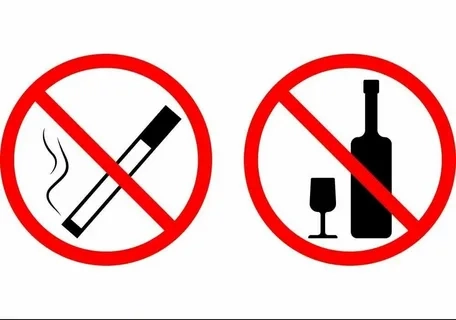
Discuss how alcohol, sedatives, and nicotine worsen airway collapse, increase apnea events, and affect oxygen flow. Include practical reduction tips, gradual quitting strategies, and tables showing effects of substances on sleep apnea.
What You Skip Matters More Than You Think
You might not think of it this way, but what goes into your body can be just as impactful as what you do physically. Alcohol and sedatives relax the muscles of the throat, making airway collapse more likely during sleep.
That means more obstructive sleep apnea events, louder snoring, and disrupted sleep quality. Nicotine from tobacco products also inflames your airways, further reducing oxygen saturation.
Practical Tips for Reduction:
- Alcohol: Avoid drinking Alcohol at least 3–4 hours before bedtime. Even small amounts can worsen mild sleep apnea.
- Sedatives: If you’re prescribed sleep aids, discuss alternatives like herbal remedies for sleep apnea with your doctor.
- Smoking: Gradually reduce cigarettes; airway inflammation improves within weeks of quitting.
Effects of Substances on Sleep Apnea
| Substance | Effect on Sleep Apnea | Suggested Approach |
| Alcohol | Relaxes airway muscles, increases snoring | Avoid 3–4 hrs before sleep |
| Sedatives | Reduces respiratory drive, worsens apnea | Explore natural alternatives |
| Nicotine | Inflames airways, lowers oxygen flow | Gradual cessation, supportive therapies |
Pro Tip: Replace evening alcohol with a calming herbal tea, or a short mindfulness breathing session. This tackles both stress and airway relaxation naturally.
VIII. Remedy #8: Mindfulness and Stress Reduction
Explain the stress-apnea connection, cortisol, shallow breathing, and insomnia. Include meditation, guided breathing, journaling, and yoga breathing (pranayama) as natural remedies. Provide a 5-minute bedtime routine and practical tips to strengthen respiratory muscles.
Calming the Mind for Better Nighttime Breathing
Stress doesn’t just mess with your mood — it can make your sleep-disordered breathing worse. High cortisol levels, shallow breathing, and racing thoughts can trigger apnea events, especially in central sleep apnea or mixed cases.
Mindfulness, meditation, and gentle breathing exercises can strengthen your respiratory muscles and improve oxygen flow while promoting deep, restorative sleep.
Try This 5-Minute Bedtime Routine:
- Sit or lie comfortably and close your eyes.
- Inhale slowly through your nose for 4 counts.
- Hold for 2 counts.
- Exhale gently through your mouth for 6 counts.
- Repeat 5–10 times while focusing on relaxing your throat muscles and jaw bones.
Other Techniques:
- Guided Meditation: Apps or recordings can gently reduce stress and cortisol.
- Journaling: Writing down worries before bed helps avoid sleep disruption caused by mental clutter.
- Yoga Breathing (Pranayama): Enhances nasal capacity, airway stability, and oxygen saturation naturally.
Pro Tip: Even if you only manage a few minutes of mindfulness each night, it trains your respiratory muscles to stay relaxed, reducing apnea events and improving overall sleep quality.
IX. Remedy #9: Smart Sleep Environment Design
Discuss optimizing bedroom temperature, humidity, air quality, lighting, mattress, and pillow selection. Include tips for wedge pillows, HEPA filters, and eco-conscious adjustments. Table with factors supporting airway openness and oxygen flow.
Make Your Bedroom a Breathing Sanctuary
Sometimes the difference between a restless night and deep, restorative sleep isn’t just what you do — it’s where you sleep. Your bedroom environment can influence airway resistance, oxygen saturation, and overall sleep quality.
Small tweaks can support natural remedies for sleep apnea, enhance positive airway pressure, and make your oral appliances or CPAP therapy more effective if you use them.
Key Environmental Adjustments:
- Temperature: Keep your bedroom cool (around 65°F / 18°C). Warm rooms can worsen nasal congestion and airway inflammation.
- Humidity: Use a humidifier to prevent dry throat and mouth breathing.
- Air Quality: HEPA filters reduce allergens that trigger nasal congestion and airway obstruction.
- Lighting: Dark environments support melatonin production, improving sleep quality and reducing sleep-disordered breathing.
- Mattress & Pillow Selection: Opt for firm support and consider wedge pillows or adjustable beds to maintain optimal sleep position.
Sleep Environment Factors Supporting Airway Health
| Factor | Effect on Sleep Apnea | Tip |
| Temperature | Cool reduces airway inflammation | 65°F / 18°C ideal |
| Humidity | Moistens nasal passages | Use humidifier |
| Air Quality | Reduces allergens, improves oxygen flow | HEPA filter |
| Pillow / Mattress | Supports proper sleeping position | Wedge pillow or adjustable bed |
| Lighting | Enhances melatonin, deeper sleep | Blackout curtains |
Pro Tip: Combine sleep hygiene practices with airway-friendly environment tweaks. Even small changes, like propping your head slightly or reducing allergens, can reduce snoring and apnea episodes significantly.
X. Remedy #10: Integrative Approaches and Follow-Ups
Explain integrating oral appliances, CPAP therapy, and upper airway stimulation with natural remedies. Include sleep journals, tracking apnea events, and follow-ups with a sleep specialist. Practical steps for combining strategies and monitoring improvements in oxygen saturation.
When to Combine Natural Remedies with Professional Care
Even if you’re all-in on natural remedies for sleep apnea, sometimes combining them with professional support gives the best results. Oral appliances, like Mandibular advancement devices or tongue stabilizing devices, can work alongside throat exercises, sleep position therapy, or nasal hygiene routines.
Similarly, home sleep testing or consulting a sleep specialist can ensure your natural methods are truly improving your oxygen flow and airway stability.
Steps for Integration:
- Track Symptoms: Keep a sleep diary to log snoring, apnea events, and oxygen saturation.
- Combine Remedies: Pair 2–3 approaches — for instance, weight management, throat exercises, and sleep position therapy.
- Schedule Check-Ins: Consult a sleep dentist, sleep specialist, or sleep disorder center if apnea persists or worsens.
- Use Technology When Needed: Consider Vivos oral appliance therapy, CPAP devices, or upper airway stimulation as complementary support.
Pro Tip: A sleep journal is your best friend. Track daily habits, nightly sleep, and responses to natural remedies, and review every 2–4 weeks. It helps identify which strategies are genuinely improving your sleep health.
The Science Behind Natural Sleep Apnea Relief
Summarize research supporting natural remedies: weight loss, myofunctional therapy, positional therapy, mindfulness, and nutrition. Include tables summarizing studies, effects on oxygen levels, airway stability, and sleep-disordered breathing. Reference NIH, American Sleep Association, and evidence-based sources.
Evidence Shows It Actually Works
It’s easy to be skeptical — natural remedies can sometimes sound like “too good to be true.” But there’s real science backing approaches like weight loss, throat and tongue exercises, and sleep position therapy.
Research from the National Institutes of Health (NIH) and American Sleep Association shows that lifestyle adjustments can significantly reduce obstructive sleep apnea events and improve oxygen saturation.
Some key findings:
- Weight Reduction: Losing 10–15% of body weight reduces airway obstruction and improves sleep quality in many mild to moderate cases.
- Myofunctional Therapy: Strengthening the muscles of the mouth and throat can decrease apnea events by up to 50% in some adults.
- Positional Therapy: Side-sleeping combined with wedge pillows or positional devices reduces airway resistance and snoring for people with positional sleep apnea.
Even natural remedies for central sleep apnea show promise when combined with mindfulness, stress reduction, and proper sleep hygiene.
The goal is improving respiratory muscle strength, airway stability, and overall sleep-disordered breathing without relying exclusively on CPAP therapy.
Science-Backed Natural Approaches
| Approach | Effect on Sleep Apnea | Evidence |
| Weight Loss | Reduces airway pressure, lowers apnea events | NIH, American Sleep Association |
| Throat & Tongue Exercises | Strengthens muscles, decreases snoring | Clinical trials on myofunctional therapy |
| Positional Therapy | Opens airway, improves oxygen flow | Studies on side-sleeping & wedge pillows |
| Mindfulness & Breathing | Reduces stress-induced apnea | Research on yoga & guided breathing |
Pro Tip: While natural remedies help, combining them with sleep studies, home sleep testing, or check-ins with a sleep specialist ensures you’re measuring oxygen flow, airway resistance, and real improvement.
Creating Your Personalized Sleep Apnea Action Plan
Guide on combining 3–4 remedies based on lifestyle. Include sleep journals, tracking symptoms, home sleep studies, and adjustment tips. Add sample 7-day plan and pro tips for gradual integration of natural remedies.
Integrate, Track, and Take Control
Once you understand the remedies and evidence, the next step is making a plan that fits your life. A one-size-fits-all approach rarely works — what helps a fitness enthusiast might not suit someone focused on mindfulness or eco-friendly living.
Steps to Build Your Plan:
- Choose 3–4 Key Remedies: For example, combine weight loss, sleep position therapy, throat exercises, and nasal hygiene.
- Track Symptoms: Use a sleep journal to log snoring, apnea events, oxygen levels, and sleep quality.
- Adjust Gradually: Add new strategies slowly — don’t overwhelm yourself with every remedy at once.
- Schedule Follow-Ups: Revisit a sleep specialist or conduct a home sleep study to measure progress.
- Refine Over Time: Notice patterns. For instance, you might see bigger gains with left-side sleeping 5 plus magnesium support than with position alone.
Sample 7-Day Sleep Plan
| Day | Remedies | Notes |
| Mon | Sleep position + nasal hygiene | Track snoring duration |
| Tue | Throat exercises + magnesium-rich meals | Note daytime fatigue |
| Wed | Mindfulness & breathing | Record oxygen levels if possible |
| Thu | Weight management & clean eating | Track sleep interruptions |
| Fri | Sleep position + herbal tea | Check relaxation before bed |
| Sat | Yoga & positional therapy | Note how rested you feel |
| Sun | Review journal & adjust | Identify most effective strategies |
Pro Tip: Even small, consistent changes — like 10 minutes of throat exercises, a herbal tea, or sleeping on your left side — compound over weeks. This is where natural remedies for sleep apnea show the most real-world results.
Conclusion
So here’s the thing — natural remedies for sleep apnea aren’t magic pills. They’re more like tools you use consistently, day after day, to slowly reclaim better sleep quality and stronger airway health. From weight management to throat exercises, sleep position therapy, nasal hygiene, and even mindfulness, each small step stacks up over time.
You might try a few remedies and not notice immediate results — and that’s okay. It’s not about perfection. It’s about experimenting, reflecting, and seeing what works for you. Keep a sleep journal, tweak your sleep environment, and don’t be afraid to combine strategies. Some nights will feel amazing, others may feel like a setback — it’s all part of the process.
Remember, sustainable improvements in oxygen saturation, airway stability, and sleep-disordered breathing come from consistent, thoughtful habits rather than sudden, extreme changes. Over weeks and months, these natural approaches can significantly reduce snoring, improve sleep quality, and even complement professional interventions like oral appliances, CPAP therapy, or home sleep testing.
Frequently Asked Questions (FAQ)
Can sleep apnea be cured naturally?
Mild cases sometimes improve significantly with weight loss, sleep position therapy, and throat exercises, but severe cases may still need CPAP therapy or oral devices.
What natural herb is good for sleep apnea?
Herbs like turmeric, ginger, chamomile, and valerian root can reduce airway inflammation and support oxygen flow.
Can honey cure sleep apnea?
Not exactly, but a small amount of honey in herbal teas may soothe throat tissues and improve sleep comfort.
How to treat sleep apnea during pregnancy?
Focus on side sleeping, nasal hygiene, stress reduction, and consulting your obstetrician or sleep specialist before trying supplements or devices.
What vitamin deficiency causes sleep apnea?
Low magnesium or vitamin D may weaken respiratory muscles and exacerbate sleep-disordered breathing.
How to cure sleep apnea without a machine?
Combining natural remedies — throat exercises, weight management, sleep position therapy, herbal anti-inflammatories — can significantly reduce mild to moderate apnea events.
What drink is good for sleep apnea?
Herbal teas with chamomile, valerian root, or turmeric-ginger blends help reduce airway inflammation and support oxygen saturation during sleep.
What is the 3% rule for sleep apnea?
In sleep studies, a 3% oxygen drop during breathing pauses indicates mild obstructive sleep apnea; it’s used to track severity and treatment effectiveness.
What is the strongest natural herb for sleep?
Valerian root is widely recognized for promoting relaxation, better sleep quality, and mild support for central sleep apnea.
What is the best sleep apnea remedy?
The “best” approach often combines weight loss, throat and tongue exercises, sleep position therapy, and nasal hygiene — a personalized mix based on your lifestyle and severity.