
In clinical practice, avoidant attachment often presents as emotional self-protection rather than a lack of desire for connection. Many adults report feeling “fine alone,” yet experience persistent relational dissatisfaction, difficulty trusting, and physiological stress responses when intimacy deepens. Research in attachment neuroscience shows this pattern is linked to early nervous system conditioning around safety and closeness.
From an evidence-based perspective, how to heal avoidant attachment style begins with understanding that this is not a personality flaw, but an adaptive survival response shaped by early relational experiences. Long-term studies in developmental psychology confirm that emotional distancing, hyper-independence, and discomfort with vulnerability are learned strategies, not fixed traits.
This guide explores how to heal avoidant attachment style using clinically supported methods, trauma-informed practices, and real-world therapeutic protocols. The focus is on restoring emotional safety, relational trust, and the capacity to love without fear through sustainable, science-backed healing pathways.
1. The Challenges of Avoidant Attachment Style
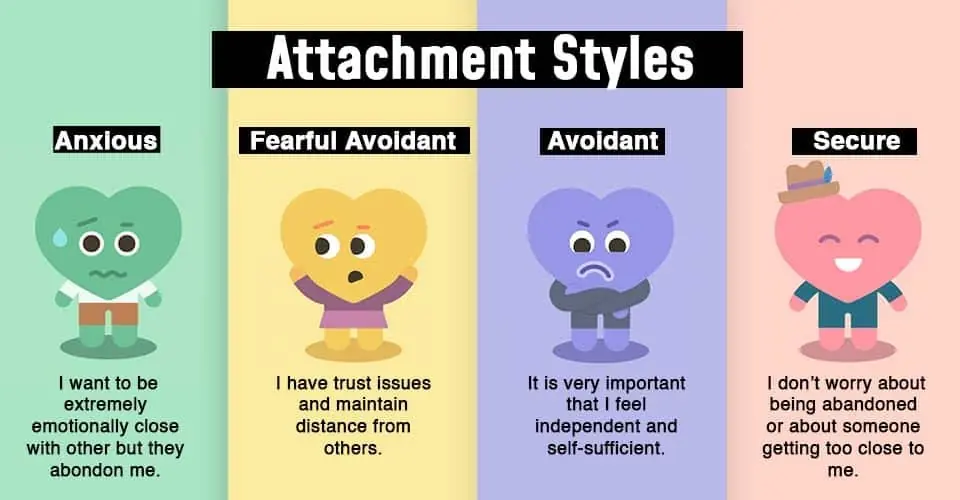
Avoidant attachment style often develops from childhood emotional neglect or inconsistent caregiving, creating self-protection patterns that persist into adulthood. Adults with this style struggle with intimacy, frequently withdrawing when emotional closeness increases.
Hyper-independence can mask unmet needs, while fear of vulnerability leads to difficulty expressing feelings or relying on others. These patterns can result in emotional shutdown, relational tension, and feelings of isolation despite desiring connection.
Clinically, understanding these challenges is the first step in learning how to heal avoidant attachment style, whether in personal growth or in navigating partnerships with avoidant partners.
I. Understanding the Roots of Avoidant Attachment
Attachment research consistently links avoidant patterns to early experiences of emotional unavailability or inconsistent caregiving. When a child’s needs for comfort are repeatedly unmet, the nervous system learns to suppress attachment signals as a form of self-regulation.
Neurobiological studies show reduced activation in limbic emotional processing when closeness is perceived as unsafe. This creates learned self-protection patterns where independence becomes a primary coping strategy rather than a choice.
Clinically, this conditioning leads to internalized beliefs such as “needing others is dangerous” or “relying on someone means losing control,” which later interfere with secure adult bonding.
II. Core Struggles in Adult Relationships
In adult relationships, avoidant attachment commonly manifests as fear of intimacy and emotional closeness. Individuals may feel overwhelmed by a partner’s needs, despite desiring connection at a conscious level.
Emotional shutdown occurs when vulnerability activates the stress response. Functional MRI studies demonstrate increased amygdala reactivity during perceived relational dependency, triggering withdrawal behaviors.
Hyper-independence often masks unmet attachment needs. While autonomy is healthy, excessive self-reliance becomes maladaptive when it blocks mutual support and emotional reciprocity.
Discomfort with reliance and vulnerability may lead to difficulty expressing needs, minimizing emotions, and distancing during conflict. This pattern is frequently discussed in clinical resources and even in peer communities such as how to heal avoidant attachment style reddit, reflecting its widespread impact on adult relational health.
2. Recognizing the Signs of Avoidant Attachment
Common signs include downplaying the importance of relationships while privately experiencing loneliness or emotional fatigue. Patients often report feeling “suffocated” when partners seek closeness, despite valuing the relationship.
Pulling away when emotional intimacy increases is a classic marker. This can appear as reduced communication, increased focus on work, or sudden emotional detachment after moments of closeness. Struggling to express emotions and managing emotional stress is also typical. Alexithymia-like traits, or difficulty identifying internal emotional states, are frequently observed in avoidant attachment presentations.
Avoiding conflict by emotional distance may seem calm on the surface, yet physiological studies show elevated cortisol and sympathetic nervous system activation during unresolved relational stress.
Self-Reflection Questions (Clinically Used)
- Do you feel an urge to withdraw when someone becomes emotionally close?
- Do you minimize your needs and tell yourself “I don’t need anyone”?
- Do you feel safer being independent than emotionally supported?
- Do you relate to discussions like how to deal with avoidant attachment partner or can you heal avoidant attachment while in a relationship?
Real-Life Clinical Example
In therapy, adults seeking how to heal avoidant attachment style in a relationship often describe loving their partner yet feeling internally trapped. This internal conflict reflects a nervous system trained for emotional self-containment rather than co-regulation.
Understanding these patterns is the first evidence-based step toward how to heal avoidant attachment style adults and toward long-term relational security.
3. How to Heal Avoidant Attachment Style
I. Developing Self-Awareness
From a clinical standpoint, how to heal avoidant attachment style always begins with nervous-system awareness. Avoidant patterns are stored not only in memory but in physiological responses to closeness and emotional demand.
Research in affective neuroscience shows that triggers activate threat circuits, not conscious choice. This is why individuals often withdraw automatically, even when they intellectually desire connection.
Key areas to observe include:
- Emotional numbness during intimacy
- Irritation when needs are expressed
- Urges to self-isolate after closeness
- Physical tension during dependency
Journaling is a validated therapeutic tool for tracking these responses. Recording situations, body sensations, and emotional reactions helps map attachment activation patterns.
In practice, clients exploring how to heal avoidant attachment style adults often discover that their distancing is a conditioned safety response, not rejection of their partner.
Self-monitoring also clarifies whether patterns align with dismissive or fearful presentations, which is essential when addressing how to heal fearful avoidant attachment style using trauma-informed protocols.
II. Healing the Inner Child & Past Wounds
Attachment wounds originate during developmental periods when emotional regulation systems are forming. Inconsistent soothing disrupts the brain’s capacity for secure co-regulation.
Re-parenting interventions, supported by schema therapy and internal family systems models, help rebuild internal safety. This includes:
- Learning self-soothing skills
- Validating emotional needs
- Reframing early abandonment beliefs
Neuroplasticity research confirms that repeated experiences of emotional safety can reshape attachment circuitry, even in adulthood.
This is why structured approaches found in how to heal avoidant attachment style book resources and attachment-focused therapy programs emphasize consistent emotional attunement and corrective relational experiences.
When individuals search for how to heal avoidant attachment style pdf or how to heal avoidant attachment style book pdf, they are often seeking structured healing frameworks that mirror evidence-based reprocessing techniques used in clinical settings.
III. Cultivating Emotional Openness
Emotional openness is not forced vulnerability. It is a gradual expansion of tolerance for closeness, supported by nervous-system regulation.
Clinical protocols recommend titrated exposure to intimacy, similar to graded exposure used in anxiety treatment. This allows safety learning without overwhelming the attachment system.
Key evidence-based steps include:
- Naming emotions using affect labeling
- Sharing low-risk feelings first
- Practicing needs expression without self-judgment
- Receiving support without immediately withdrawing
Studies show that verbalizing emotions reduces amygdala activation and increases prefrontal regulation, directly supporting attachment security.
For those researching how to heal avoidant attachment style in a relationship or can you heal avoidant attachment while in a relationship, partner-assisted emotional attunement is a powerful therapeutic mechanism when safety and consistency are present.
In emotionally focused therapy, repeated experiences of being heard without pressure gradually rewire expectations of closeness, supporting long-term progress in how to heal avoidant attachment style.
IV. Rewiring Relationship Beliefs
Cognitive schemas in avoidant attachment often revolve around the belief, “I don’t need anyone.” While this protects against disappointment, research shows it also limits oxytocin-mediated bonding and emotional resilience.
In clinical practice, restructuring these beliefs involves examining evidence, not forcing dependence. Secure attachment is built on safe reliance, not loss of autonomy.
Common distorted beliefs include:
- “Closeness leads to control.”
- “Needing others is weakness.”
- “Emotions make relationships unstable.”
Cognitive-behavioral and attachment-based therapies help replace these with evidence-based truths:
- Interdependence supports nervous-system regulation.
- Trust grows through consistent emotional responsiveness.
- Vulnerability strengthens, not weakens, relational security.
This cognitive shift is central for those seeking how to heal avoidant attachment style in a relationship and how to heal avoidant attachment style partner, where mutual safety and reliability must be relearned.
V. Building Healthy Boundaries (Not Emotional Walls)
Boundaries are protective structures, not avoidance mechanisms. In avoidant attachment, emotional walls often replace boundaries, blocking both harm and healthy connection.
Clinical differentiation:
| Healthy Boundaries | Avoidant Withdrawal |
| Communicate needs clearly | Suppress needs |
| Allow closeness with limits | Cut off emotionally |
| Regulate, not detach | Disengage to feel safe |
Evidence-based communication training emphasizes assertive expression, emotional regulation, and co-regulation rather than isolation.
Techniques include:
- Using “I feel” statements
- Stating limits without shutting down
- Remaining emotionally present during discomfort
These skills are frequently taught in programs addressing how to deal with avoidant attachment partner and in couples therapy protocols for how to heal avoidant attachment style in a relationship reddit discussions.
True boundaries allow connection with safety, supporting sustainable progress in how to heal avoidant attachment style without reinforcing emotional distance.
4. Professional Help & Support Systems
Attachment-based psychotherapy is the gold standard for treating avoidant patterns. Modalities such as Emotionally Focused Therapy (EFT) and schema therapy directly target relational safety and emotional accessibility.
Trauma-informed approaches like EMDR and somatic experiencing help recalibrate the nervous system, especially for those exploring how to heal fearful avoidant attachment style rooted in early relational trauma.
Support groups and psychoeducational workshops offer normalization and co-regulation. Many individuals also seek structured learning through how to heal avoidant attachment style podcast resources and clinically authored programs.
Across all interventions, evidence consistently emphasizes:
- Consistency over intensity
- Safety over forced vulnerability
- Professional guidance over self-diagnosis
Long-term outcomes improve significantly when therapy is integrated with relational practice, making professional support a cornerstone in how to heal avoidant attachment style adults safely and effectively.
5. Maintaining Progress & Preventing Relapse
Maintaining progress in healing avoidant attachment style requires consistent self-awareness and emotional regulation practices. Daily mindfulness, journaling, and checking in with your emotional state help prevent automatic withdrawal patterns.
Choosing partners or supportive friends who encourage safe emotional expression reinforces secure attachment. Clinically, identifying triggers early and practicing co-regulation reduces the risk of relapse.
For those exploring how to heal avoidant attachment style in a relationship, regular reflection on relational experiences and celebrating small steps—like sharing a feeling or staying present during intimacy—helps solidify new, healthier patterns while gradually rewiring attachment behaviors.
I. Daily Practices
Sustained healing requires nervous-system regulation, not willpower alone. Mindfulness-based interventions have been shown to reduce avoidance-driven emotional suppression.
Effective daily tools include:
- Breath regulation to calm threat responses
- Body scanning to detect shutdown patterns
- Emotional labeling to improve affect tolerance
Clinical observations show that individuals practicing emotional check-ins twice daily report improved relational stability within 6–8 weeks.
II. Relationship Maintenance
Choosing emotionally safe partners is essential when learning how to heal avoidant attachment style in a relationship.
Safety allows vulnerability without activating withdrawal reflexes.
Key maintenance strategies:
- Naming triggers early
- Requesting space without disappearing
- Reassuring connection during nervous-system activation
These steps are foundational for those asking, how long does it take to heal avoidant attachment style, as consistency determines neural rewiring speed.
6. Embracing the Healing Journey
Healing attachment patterns is a neurobiological and emotional retraining process. Progress is rarely linear, and temporary withdrawal does not equal failure. Self-compassion reduces cortisol and supports emotional integration.
Research in self-regulation shows that gentleness accelerates neural flexibility more than self-criticism.
Celebrating small relational risks—like expressing needs or staying present during discomfort—builds secure attachment circuits over time. This mindset is central to sustainable success in how to heal avoidant attachment style adults and those exploring can you heal avoidant attachment while in a relationship.
Final Thought
Evidence from attachment research, neuroscience, and clinical practice confirms that emotional avoidance is learned—and therefore reversible. Through self-awareness, trauma-informed healing, emotional openness, boundary development, and professional support, individuals can safely rewire relational safety pathways.
The journey of how to heal avoidant attachment style is not about becoming dependent, but about restoring secure interdependence. With patience, guided support, and consistent practice, love can be experienced without fear, shutdown, or emotional retreat.
Frequently Asked Questions (FAQs)
1. How long does it take to heal avoidant attachment style?
Clinical evidence suggests noticeable emotional regulation improvements within 6–12 weeks of consistent therapy and self-work, though full attachment restructuring may take months to years depending on trauma history and nervous system sensitivity.
2. Can you heal avoidant attachment while in a relationship?
Yes. Research in Emotionally Focused Therapy shows that secure, responsive partners can support neural rewiring when safety, patience, and professional guidance are present.
3. How to heal avoidant attachment style in a relationship without pushing your partner away?
Gradual vulnerability, clear boundaries, and co-regulation techniques help maintain closeness while preventing overwhelm.
4. How to deal with avoidant attachment partner effectively?
Evidence-based approaches include emotional attunement, non-threatening communication, and encouraging therapy rather than demanding change.
5. Is it possible to heal fearful avoidant attachment style?
Yes. Trauma-informed therapies like EMDR and somatic regulation show strong outcomes in restoring attachment security.
6. Are books or podcasts helpful for healing avoidant attachment?
Resources such as how to heal avoidant attachment style book and how to heal avoidant attachment style podcast can support psychoeducation but should complement professional therapy.
7. Can adults fully heal avoidant attachment style?
Neuroplasticity research confirms that adults can form secure attachment through repeated safe emotional experiences.
8. Why do avoidant individuals feel suffocated in love?
This response is driven by threat activation in the amygdala, interpreting closeness as loss of safety.
9. Is searching how to heal avoidant attachment style reddit reliable?
Peer discussions offer validation but should not replace evidence-based clinical guidance.
10. When should professional help be sought?
If emotional shutdown, relationship instability, or distress persist, consultation with an attachment-trained therapist is strongly recommended.