

You’ve probably typed “how to whiten teeth at home fast” into your search bar more times than you’d like to admit — maybe before a wedding, a job interview, or just because you caught your reflection and thought, “Hmm… could be brighter.” It happens. Life happens. Coffee, red wine, late-night snacks, even stress — all leave quiet traces on your smile.
But here’s the thing. Teeth whitening doesn’t have to mean expensive visits to a dental office or harsh bleaching gels that sting your gums. Actually How to whiten teeth at home — safely, gently, and without stripping your enamel. And honestly, that’s what most of us want: visible results without damage.
Maybe you’ve tried whitening toothpaste before or one of those viral mouthwash hacks that promise miracles overnight. Some work a little, most don’t. That’s why this guide pulls together 10 proven, science-backed ways — from time-tested natural remedies like oil pulling and baking soda to modern tools like LED whitening kits — all meant to help you see real results in days, not months.
We’ll talk about everything: from hydrogen peroxide and activated charcoal to apple cider vinegar, coconut oil, whitening toothpastes, and even the small healthy habits that keep your enamel healthy. Some of it is old wisdom; some is dentist-approved science (yes, even the American Dental Association has thoughts on a few of these).
So, before you grab another “instant whitening pen” from an online ad — let’s pause. Let’s understand why your teeth changed color in the first place, and how to whiten teeth at home.
Understand What Causes Tooth Discoloration (Before You Whiten)
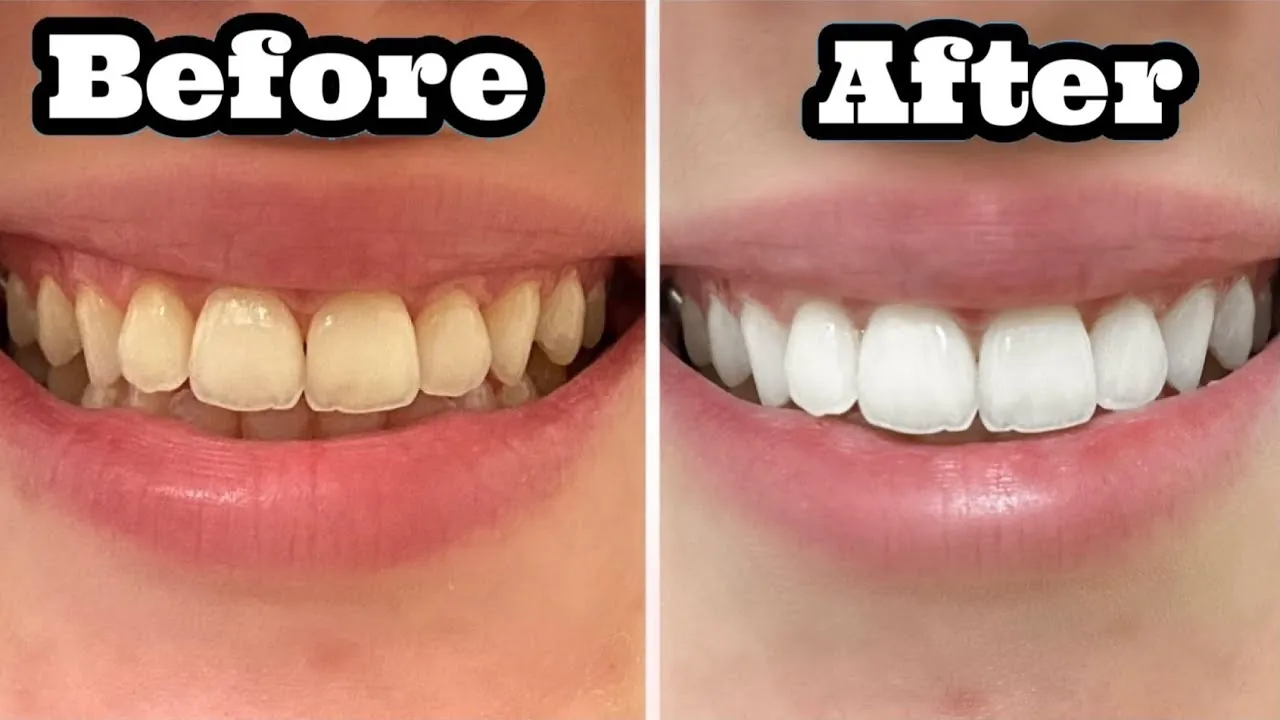
You can’t fix what you don’t understand, right? When it comes to whitening, knowing what caused your tooth discoloration helps you choose the right method — whether it’s baking soda and hydrogen peroxide, a whitening toothpaste, or a full at-home bleaching kit.
Extrinsic vs. Intrinsic Stains
There are two main types of stains — extrinsic and intrinsic.
Here’s a simple breakdown:
| Type of Stain | Where It Happens | Common Causes | Can You Treat It at Home? |
| Extrinsic | On the enamel (outer layer) | Coffee, tea, red wine, smoking, plaque buildup, acidic foods | ✅ Yes, with natural and whitening toothpaste methods |
| Intrinsic | Inside the enamel or dentin | Medication, aging, genetics, trauma | ⚠️ Harder to treat — may need professional teeth-whitening treatments |
If your teeth are yellow from things like coffee, tea, or smoking, home remedies often help. But grayish or brownish shades — those might be deeper (and sometimes permanent) unless treated by a dentist using carbamide peroxide or laser whitening.
Common Lifestyle Factors
We love our morning coffee and evening red wine, but both cling to enamel like stubborn memories. Add tobacco, berries, or even certain medications, and stains build up faster. Poor oral hygiene and missed dental cleaning appointments just make it worse — plaque traps color, dulling the natural white beneath.
Then there’s age. As enamel thins over time, the yellow dentin underneath starts showing through. It’s not damage — just biology doing its thing.
Pro Tip: Try switching to an electric toothbrush with a whitening toothpaste (like ARM & HAMMER™ Baking Soda) and rinse with fluoride mouthwash. It doesn’t just clean deeper — it actually helps prevent new stains from settling into tiny enamel pores.
How to whiten teeth at home before you start any whitening treatment, maybe schedule a quick checkup with your dental hygienist. They can remove plaque buildup so your whitening efforts actually work — not just sit on top of debris.
1. Oil Pulling: The Ancient Detox for Whiter Teeth
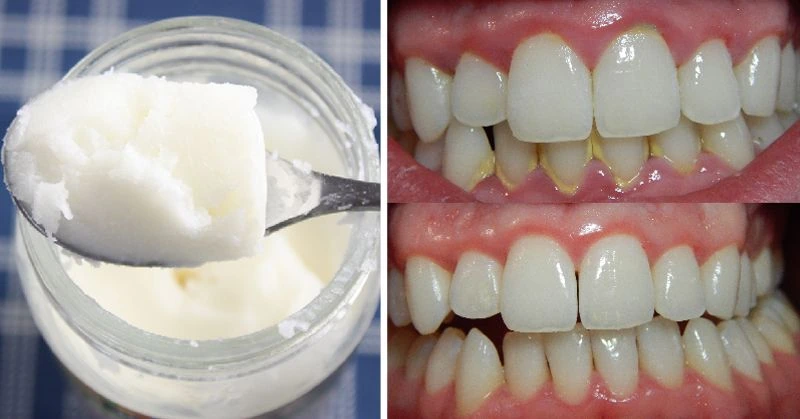
You might’ve heard the phrase “oil pulling” floating around wellness blogs or whispered by someone who swears it changed their whole oral hygiene routine. And maybe you thought… really? Just swishing oil around?
Yeah — it sounds too simple. But this ancient Ayurvedic ritual might just be one of the most underrated natural teeth whitening methods.
What Is Oil Pulling & How It Works
Oil pulling started in thousands of years ago — long before whitening strips or bleaching gels existed. The idea’s straightforward: you swish oil (usually coconut, sesame, or sunflower oil) around your mouth for 10–20 minutes, then spit it out. That’s it.
The science? Pretty sound, actually. Oils attract and bind to the bacteria, plaque, and food particles that cause yellowing, gum disease, and even bad breath. So when you spit it out, you’re also removing some of the toxins and stain-causing compounds clinging to your enamel.
The Science Behind It
Studies — including a few mentioned by the non-profit academic medical center, Cleveland Clinic — suggest that oil pulling can reduce plaque buildup and improve gum health. Fewer bacteria mean fewer stains. It won’t bleach your teeth white like a dentist’s in-office whitening treatment, but it can restore a cleaner, more polished look over time.
How to Do It Right
Let’s be honest: the first time you try this, it feels weird. But here’s a simple routine to follow.
- Choose your oil — coconut oil is most popular (and tastes better than sesame).
- Measure about 1 tablespoon.
- Swish it gently between your teeth for 10–20 minutes.
- Spit it out into the trash (not the sink — oils can clog pipes).
- Rinse your mouth with warm water, then brush with fluoride toothpaste.
You can do this a few times a week, ideally in the morning before breakfast.
Pro Tip: If you’re short on time, try oil pulling while showering. It becomes part of your routine without feeling like a chore — and that small consistency can help you maintain whiter teeth and better oral well-being.
2. Baking Soda & Hydrogen Peroxide: The Classic DIY Whitening Combo
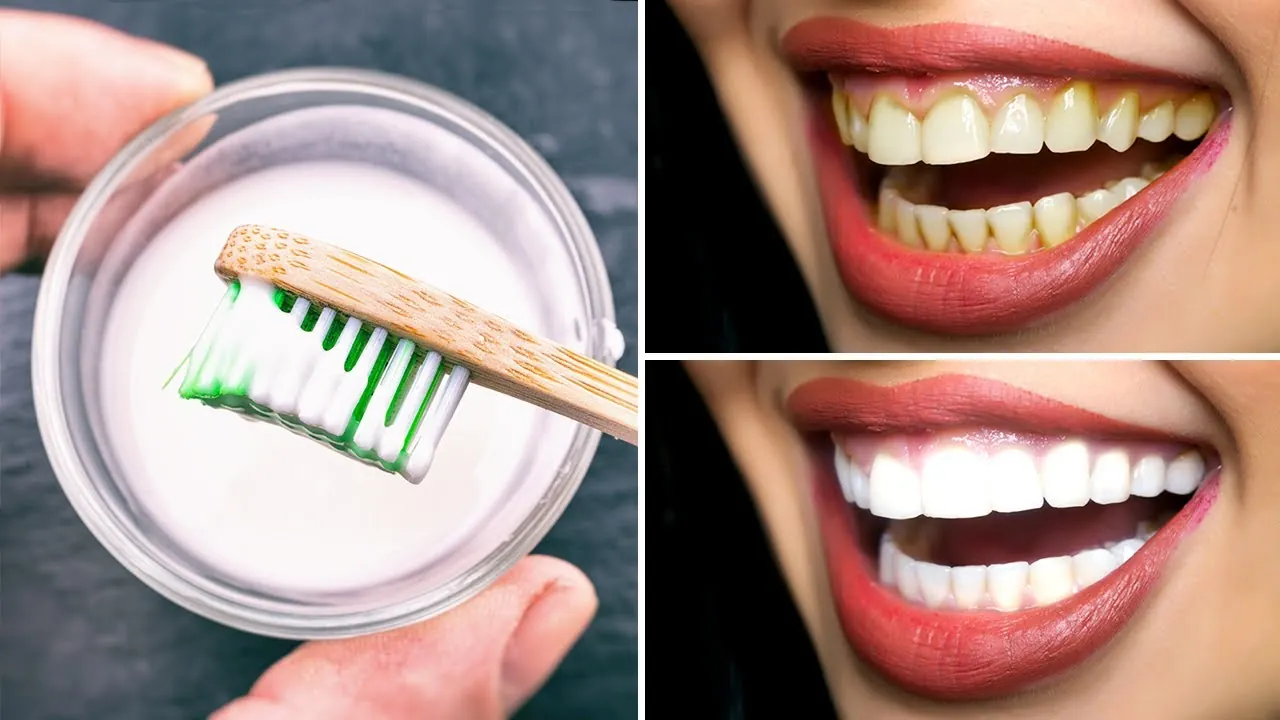
How to whiten teeth at home. There’s something reassuringly old-school about baking soda and hydrogen peroxide. People have used this combo for decades — and for good reason. Together, they form one of the most effective (and budget-friendly) at-home teeth whitening treatments out there.
Why It Works
Here’s the chemistry in plain English: baking soda (sodium bicarbonate) is a mild abrasive. It scrubs away surface stains from coffee, red wine, and smoking without scratching enamel if used properly. Meanwhile, hydrogen peroxide works as a gentle bleaching agent — it breaks down stain molecules and lightens the color of your enamel.
Some whitening toothpastes and whitening gels you buy at stores already include small concentrations of hydrogen peroxide for this exact reason. It’s basically the same science, just diluted for safety.
Safe Usage Guidelines
Now, here’s where people often mess up. Overusing this combo — or using it too strong — can cause enamel erosion, tooth sensitivity, and irritation along your gum lines. So the key is moderation.
Mix 1 teaspoon of baking soda with 2 teaspoons of hydrogen peroxide to form a smooth paste.
Brush gently in circular motions for about two minutes, then rinse thoroughly.
Do this only 2–3 times a week, not daily.
Always follow up with fluoride toothpaste to re-mineralize your enamel.
| Ingredient | Function | Safety Tip |
| Baking Soda | Mild abrasive – removes surface stains | Don’t use alone daily; can wear enamel |
| Hydrogen Peroxide | Light bleaching agent | Use low concentration (<3%) |
| Coconut Oil (optional) | Adds smooth texture, reduces dryness | Great if you have sensitive teeth |
If your teeth feel sensitive afterward, try spacing out your sessions or switching to a desensitizing toothpaste. And avoid brushing right after drinking acidic foods or staining liquids like coffee or wine — enamel is softer then, and more prone to wear.
Pro Tip: Combine this method with a professional dental cleaning every 6 months for the best long-term results. The cleaner your enamel surface, the more evenly these gentle whitening treatments work.
3. Whitening Toothpaste and Mouthwash: Do They Really Work?
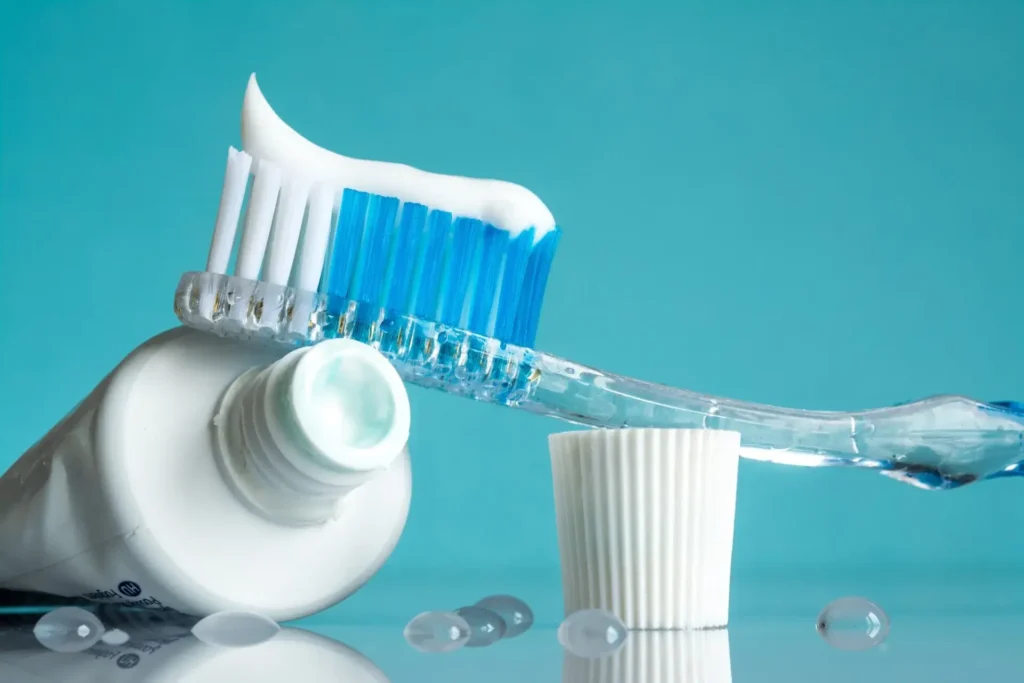
You’ve probably seen them lined up at every store — whitening toothpastes, mouthwashes, whitening gels, even “instant bright” foams that promise a movie-star smile overnight. They sound convenient, right? But do they actually work? Well… yes and no.
The Role of Whitening Agents
Most whitening toothpastes rely on mild abrasives like hydrated silica or polishing agents that gently remove surface stains from coffee, tea, and red wine. Some also contain low concentrations of hydrogen peroxide or carbamide peroxide — the same ingredients found in professional at-home bleaching kits, just in smaller, enamel-safe doses.
Then there’s blue covarine, a color-correcting pigment that tricks your eyes into seeing whiter teeth by creating a slight optical illusion. Sounds odd, but it’s ADA-approved and pretty clever science if you think about it.
What to Expect
Here’s the honest truth: whitening toothpaste and mouthwash won’t drastically change your tooth color. They’re more for maintenance — keeping new stains from forming after a professional whitening or a natural oil pulling routine.
They help lift surface stains and polish your enamel, which can make your teeth appear brighter within 2–4 weeks of consistent use. But if you’re battling deep intrinsic stains (like those from medication or age), you’ll need something stronger, like tray-based teeth whiteners or a professional teeth-whitening treatment from a dentist.
| Product Type | Key Ingredients | Best For | Frequency |
| Whitening Toothpaste | Silica, fluoride, hydrogen peroxide | Surface stains, daily maintenance | Twice daily |
| Whitening Mouthwash | Hydrogen peroxide, fluoride, essential oils | Fresh breath + subtle whitening | Once or twice daily |
| Whitening Gel or Foam | Carbamide peroxide, blue covarine | Quick visible results | 2–3x/week |
Pro Tip: Choose products that are ADA-approved and contain fluoride — this helps maintain strong enamel while whitening. Avoid overly abrasive formulas or those promising “instant” results; they often dehydrate enamel temporarily, giving the illusion of whiteness that fades fast.
And if your teeth are sensitive, look for ingredients like potassium nitrate or aloe vera in your toothpaste — they calm nerve irritation while still helping your dental hygiene stay on track.
4. Activated Charcoal: Myth or Miracle?
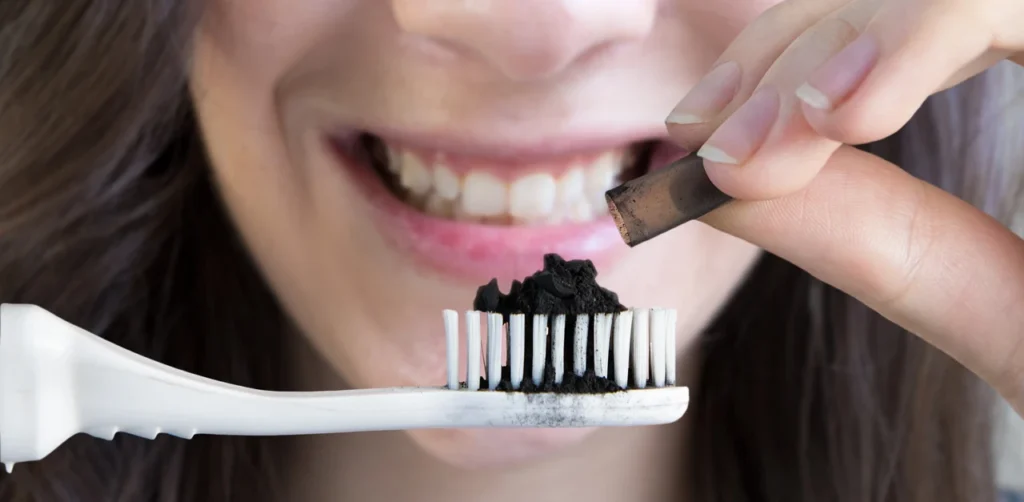
Ah, activated charcoal — the jet-black powder that once flooded your Instagram feed. It looks dramatic, feels edgy, and definitely makes a mess of your sink. But is it actually one of those natural teeth whitening methods that work, or just another viral fad?
Let’s talk honestly about it.
What It Does
Activated charcoal is incredibly porous, meaning it “adsorbs” (not absorbs) surface stains and toxins. It clings to the microscopic particles that cause tooth discoloration — things like coffee residue, red wine pigments, and plaque buildup — and removes them as you rinse.
It’s basically a detox for your mouth. Many people say it leaves their teeth looking instantly cleaner and smoother, especially when used alongside an electric toothbrush.
But — and it’s an important but — charcoal doesn’t actually change your tooth color the way hydrogen peroxide or carbamide peroxide can. It’s a surface-level stain remover, not a bleaching agent. So it’s great for polishing, not deep whitening.
Safety & Limitations
Dentists (like Dr. Anne Clemons from River Valley Smile Center) often caution that activated charcoal toothpaste can be too abrasive for daily use. Over time, that grittiness may cause enamel erosion, exposing the yellow dentin underneath — which ironically makes your teeth look darker.
Use it sparingly — maybe once or twice a week — and always follow with a fluoride toothpaste or mouthwash to re-mineralize your enamel.
| Charcoal Type | Whitening Strength | Enamel Safety | Recommendation |
| Powdered Charcoal | Moderate surface cleaning | Medium risk (abrasive) | Use once weekly |
| Charcoal Toothpaste | Mild surface polishing | Lower risk | Use 1–2x/week |
| Charcoal Whitening Strips | Minimal | Safer, but weak results | Use occasionally |
Pro Tip: Want to try a safer twist? Mix 1 tsp activated charcoal with 2 tsp coconut oil — it softens the abrasiveness and adds natural antibacterial benefits. Swish or brush for a minute or two, rinse well, and follow up with a regular toothpaste.
Oh, and one last note: avoid using charcoal right after lemon juice, apple cider vinegar, or other acidic foods. That combo can seriously weaken enamel, no matter how natural it seems.
5. Natural Whitening Foods That Clean as You Eat
It’s funny how the things that stain your teeth — coffee, tea, red wine — often get more attention than the ones that naturally clean them. But there are actually foods that act like gentle scrub brushes, helping you whiten teeth at home without any harsh chemicals or pricey whitening kits.
Some of these natural teeth whitening foods even help protect your enamel, balance mouth pH, and reduce plaque buildup. So, yes, your lunch can literally be part of your oral hygiene routine.
Crunchy Fruits & Veggies
Let’s start with the easy ones — apples, carrots, celery, and cucumbers. These crunchy snacks act like little toothbrushes, scrubbing away soft plaque and debris while stimulating saliva (your mouth’s natural stain remover).
They also help neutralize acidic foods that can dull enamel, reducing your risk of tooth discoloration and gum disease.
| Food | Whitening Benefit | Bonus Oral Health Perk |
| Apples | Natural malic acid gently dissolves stains | Increases saliva flow |
| Carrots | Fiber helps clean enamel | Supports gum health |
| Celery | Crunchy texture removes debris | Keeps gums strong |
| Cucumbers | Hydrating and pH balancing | Reduces plaque buildup |
Enzyme-Powered Brighteners
Some tropical fruits do more than taste amazing. Pineapple and papaya contain natural enzymes — bromelain and papain — which help break down stain molecules and even soften plaque. You’ll find these enzymes in some natural whitening toothpastes too.
A few bites after a meal? Not only refreshing but also good for dental hygiene.
Strawberries & Malic Acid
You’ve probably heard the DIY trick — mashing strawberries with baking soda for a quick whitening mask. The malic acid in strawberries acts as a mild natural brightener, giving your teeth a temporary boost in brightness. Just don’t overdo it; acids can wear enamel if used too often.
Pro Tip: After eating or using fruit-based whiteners, rinse your mouth with plain water or fluoride mouthwash. It helps balance acidity and prevent enamel erosion.
Also, if you snack often, try ending your day with crunchy veggies instead of sweets. Over time, it can make a visible difference — and you’ll probably feel fresher too.
6. Apple Cider Vinegar: The Powerful Yet Risky Option
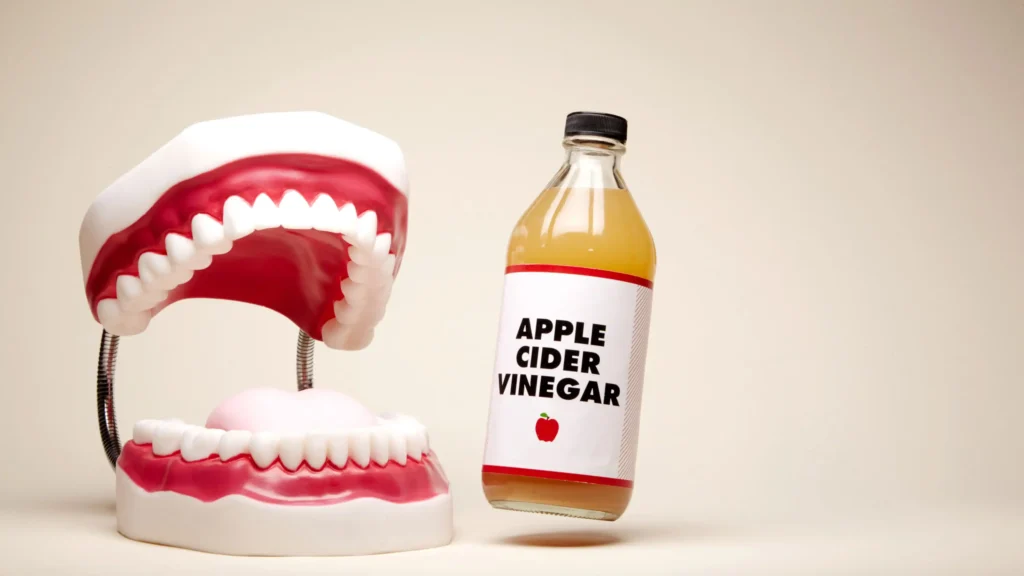
Now, here’s a tricky one — apple cider vinegar (ACV). It’s been hailed as a cure-all for everything from gut health to glowing skin, and yes, even teeth whitening. But like many natural remedies, there’s a thin line between helpful and harmful.
How It Works
Apple cider vinegar is mildly acidic, How to whiten teeth at home that acidity helps dissolve surface stains caused by coffee, red wine, and plaque buildup. Some people use it as a natural mouth rinse, claiming it leaves their teeth looking cleaner and brighter almost instantly.
And there’s truth in that — the acetic acid in ACV can kill bacteria and improve overall oral hygiene. Used correctly, it can enhance your results when combined with gentle whitening methods like oil pulling or baking soda and hydrogen peroxide.
Risks & Precautions
The problem? Too much acidity can soften and erode tooth enamel, making your teeth more prone to sensitivity, staining, and even gum irritation. So this is one whitening method that demands caution.
If you want to try it safely:
- Dilute 1 part apple cider vinegar with 3 parts water.
- Swish gently for 20–30 seconds — no more.
- Rinse your mouth thoroughly afterward, then brush with fluoride toothpaste.
| Method | Frequency | Safety Rating | Whitening Strength |
| ACV Mouth Rinse | 1–2x per week | Moderate | Mild to Moderate |
| ACV + Baking Soda Paste | Occasionally | Low (if overused) | Quick surface results |
| ACV in Diet (drinks, salads) | Daily (diluted) | High | Indirect – supports oral pH |
Pro Tip: Always wait at least 30 minutes before brushing after using ACV. Right after rinsing, enamel is soft — brushing too soon can actually cause enamel erosion.
Also, choose organic, unfiltered ACV (the kind “with the mother”) — it has beneficial probiotics that may support overall oral well-being.
Anecdotally, some people find that alternating ACV rinses with coconut oil pulling gives the best of both worlds: antibacterial effects without overexposure to acid.
7. LED Whitening Kits and Strips: Do They Really Work?
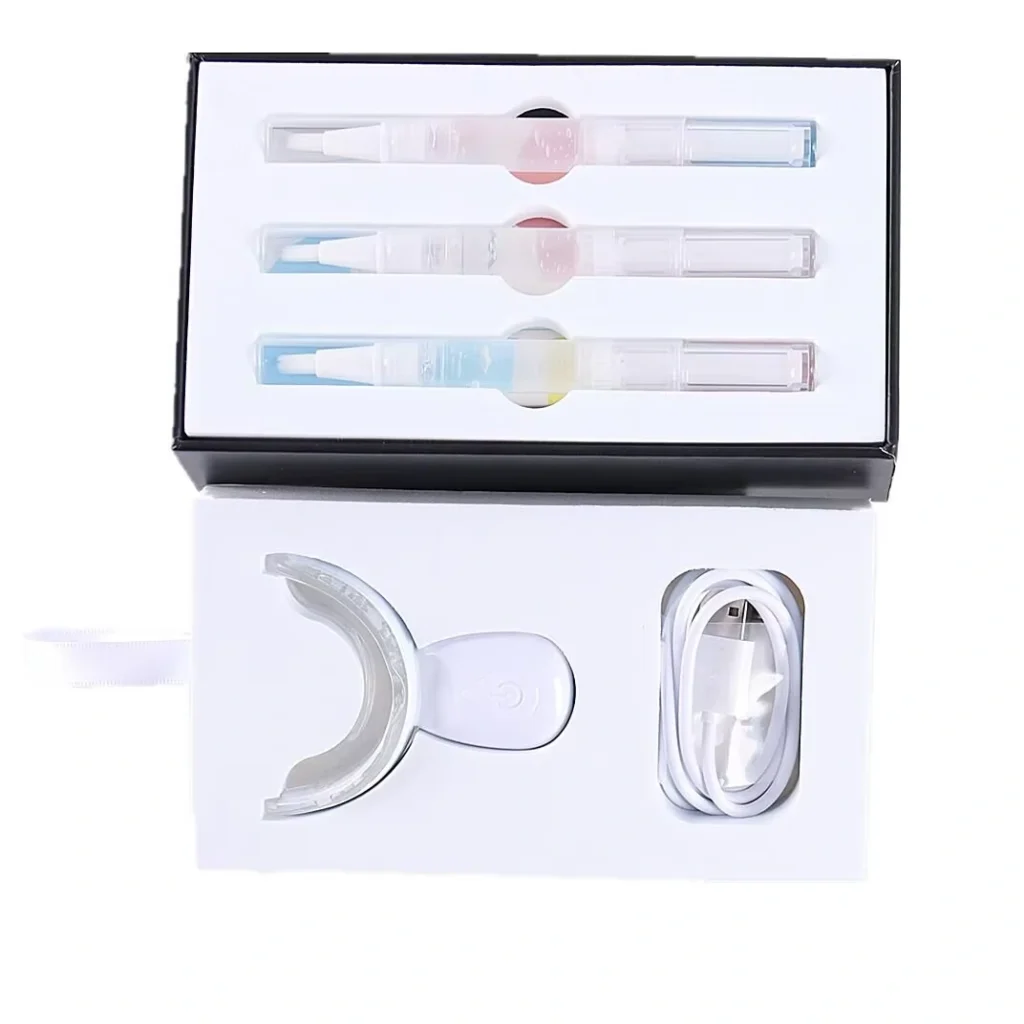
It’s hard to scroll through social media without seeing someone grinning under a blue light. LED teeth whitening kits have become the new “at-home dentist” for anyone wanting how to whiten teeth at home fast without an expensive appointment. But do they really work — and are they safe?
The Science Behind LED Whitening
Here’s the deal: LED light doesn’t whiten your teeth on its own. It simply accelerates the whitening reaction in the peroxide-based gel you apply to your teeth. When combined, the gel breaks down surface stains caused by coffee, tea, smoking, and aging enamel.
Think of it as a catalyst — helping the whitening agents act faster and more evenly.
| Product Type | Average Results | Ideal For | Whitening Strength |
| LED Whitening Kits | 2–3 shades lighter in 1–2 weeks | Moderate stains | ⭐⭐⭐⭐ |
| Whitening Strips | 1–2 shades lighter in 1 week | Mild discoloration | ⭐⭐⭐ |
| LED + Gel Combo Systems | 4–5 shades lighter in 10 days | Deep stains | ⭐⭐⭐⭐⭐ |
At-Home vs. Professional LED Whitening
Professional LED whitening uses stronger peroxide concentrations — often 25–40% — under dentist supervision. At-home whitening kits are gentler (usually 6–10%), so they take longer but carry less risk of tooth sensitivity.
Still, there are a few things to remember if you’re using one at home:
- Follow instructions exactly. Leaving the gel on too long won’t make your teeth whiter — it’ll just irritate your gums.
- Avoid eating or drinking for 30 minutes after a session.
- Use sensitivity toothpaste if your enamel starts feeling tingly.
Pro Tip: Combine your LED whitening sessions with a daily whitening toothpaste or coconut oil pulling routine. The synergy helps maintain brightness and reduces yellowing between sessions.
When used properly, LED kits can give you noticeable results in about a week — without stepping foot in a dental clinic. Just remember: whitening is maintenance, not magic.
8. Habits That Keep Your Teeth White Longer
Here’s the thing most people don’t realize: whitening your teeth is only half the battle. Keeping them white — that’s the part that takes consistency. Even the best whitening kit can’t fight against bad oral hygiene or daily coffee habits.
Everyday Habits That Fade Your Whitening Results
It’s easy to slip back into routines that dull your smile.
Here are the biggest culprits that undo your progress:
| Habit | Whitening Damage | How to Fix It |
| Coffee & Tea | Stains enamel and dulls brightness | Rinse with water after drinking |
| Smoking/Vaping | Yellow staining and gum irritation | Use whitening mouthwash, cut down slowly |
| Sugary Snacks | Encourage plaque buildup | Brush or rinse after eating |
| Skipping Night Brushing | Allows bacteria to thrive overnight | Always brush before bed |
| Overusing Whitening Products | Causes enamel erosion | Take breaks between treatments |
Smart Daily Adjustments
- Rinse after staining drinks. Even just a sip of water helps wash away pigments before they stick.
- Chew crunchy fruits or sugar-free gum to boost saliva and neutralize acids.
- Use a straw for dark liquids like iced coffee or cola — less contact means fewer stains.
- Brush with fluoride toothpaste twice a day, and floss every night.
Pro Tip: Once a week, use baking soda toothpaste or a whitening mouth rinse to refresh your enamel. Too frequent? Alternate with gentle herbal options like charcoal toothpaste or neem mouthwash to balance your routine.
A Realistic Whitening Routine
Here’s a simple home schedule you can actually stick to:
| Day | Whitening Focus | Quick Action |
| Monday | LED Whitening Session | 15 minutes + rinse |
| Tuesday | Rest Day | Use gentle fluoride toothpaste |
| Wednesday | Natural Whitening (Oil Pulling) | 10 minutes |
| Thursday | Whitening Strips | Apply for 30 minutes |
| Friday | Rinse Routine | Baking soda + water mix |
| Weekend | Maintenance | Crunchy fruits, floss, hydration |
When you keep these small habits consistent, you don’t just whiten teeth at home fast — you keep them white for months.
9. Eco-Friendly Whitening: Sustainable and Safe Alternatives
If you care about what goes into your body, chances are you also care about what goes down the drain. How to whiten teeth at home Traditional whitening products can contain chemicals that aren’t exactly planet-friendly — or enamel-friendly. Luckily, eco-friendly teeth whitening alternatives are changing that.
These methods aren’t just gentle on the environment — they’re often safer for your enamel health too.
Sustainable Whitening Swaps
| Traditional Product | Eco-Friendly Alternative | Why It’s Better |
| Whitening strips | Bamboo charcoal whitening powder | Biodegradable, no plastic waste |
| Plastic toothbrushes | Bamboo toothbrushes | Renewable, compostable handle |
| Peroxide gels | Coconut oil + baking soda blends | Non-toxic, enamel-safe |
| Plastic mouthwash bottles | Tablet or refillable mouth rinses | Zero-waste and travel-friendly |
Using zero-waste whitening options means you’re brightening your smile and lightening your environmental footprint.
Natural Ingredients That Work
A few sustainable whitening ingredients to look for on product labels:
- Activated charcoal: Absorbs surface stains without harsh abrasives.
- Coconut oil: Reduces bacteria and polishes teeth over time.
- Bentonite clay: Detoxifies and neutralizes acids that discolor enamel.
- Xylitol: A natural sweetener that prevents plaque buildup.
Pro Tip: If you’re making your own whitening paste at home, keep ratios balanced — 1 tsp baking soda, ½ tsp coconut oil, and a pinch of charcoal powder is plenty. Use it 2–3 times per week, and follow with fluoride toothpaste to protect enamel.
You can even make a DIY eco-friendly whitening mouthwash:
Mix 1 cup filtered water + 1 tsp baking soda + 2 drops peppermint essential oil. Shake before each use. Fresh, simple, and waste-free.
Sustainable whitening is about more than looks — it’s a lifestyle shift toward mindful oral care. You’ll save money, reduce waste, and still get a smile that radiates confidence.
10. The Final Routine: Your Personalized Teeth Whitening Plan
You’ve explored every angle of how to whiten teeth at home fast — from simple kitchen ingredients to advanced LED whitening kits and eco-friendly options. But the real secret isn’t in the method — it’s in the routine.
Consistency wins over intensity. A little effort each day builds long-term brightness that even professional whitening can’t maintain alone.
A Balanced Whitening Schedule
Here’s what a realistic, enamel-safe routine could look like for you:
| Time of Day | Whitening Action | Frequency | Why It Works |
| Morning | Brush with fluoride + whitening toothpaste | Daily | Removes overnight plaque |
| Midday | Rinse after coffee or tea | Daily | Prevents new stains |
| Evening | Oil pulling or LED whitening session | 3x/week | Maintains shine |
| Weekly | Baking soda or charcoal scrub | 1x/week | Deep cleans surface stains |
| Monthly | Check enamel sensitivity | 1x/month | Keeps whitening safe |
Pro Tip: Always listen to your teeth. If you notice tingling, mild ache, or gum irritation, pause your whitening treatments for a few days. Enamel health should always come before speed.
Long-Term Whitening Maintenance
- Drink plenty of water — it flushes pigments and neutralizes acidity.
- Use a soft-bristle toothbrush to avoid enamel abrasion.
- Limit dark sauces, red wine, and sodas — or use a straw if you do.
- Schedule a dental cleaning every 6 months to remove tartar buildup.
Whitening isn’t a one-time task — it’s an ongoing relationship with your oral health. The brighter your smile, the more care it needs to stay that way.
So, if you’ve been wondering how to whiten teeth at home without losing enamel or spending a fortune, this is your roadmap: A little patience, the right ingredients, and a gentle, consistent routine.
Because a radiant smile doesn’t just light up your face — it tells a story of care, confidence, and small, daily choices that add up beautifully over time.
Conclusion
So, here’s where it all comes together. You’ve learned that how to whiten teeth at home fast isn’t about miracle hacks or harsh chemicals — it’s about small, sustainable habits that actually work. Whether you’re using baking soda and hydrogen peroxide, LED whitening kits, or natural ingredients like coconut oil and strawberries, the key is consistency.
You don’t need a $500 whitening session to feel confident. You just need to treat your teeth like what they are — living, sensitive parts of you that respond best to gentle care and balance. How to whiten teeth at home mixing eco-friendly whitening options with smart oral hygiene habits helps your teeth stay bright naturally, without compromising enamel or your long-term dental health.
In the end, a radiant smile isn’t built overnight — it’s nurtured. Every time you rinse after coffee, swap to a bamboo brush, or use a natural whitening toothpaste, you’re protecting more than your appearance — you’re supporting your health and the planet. And that’s the real glow: one that lasts, one that feels earned.
Frequently Asked Questions (Faq’s)
1. How can I whiten my teeth fast at home?
You can whiten teeth fast at home using baking soda and hydrogen peroxide paste, whitening strips, or oil pulling daily for quick, visible results. Pair these with whitening toothpaste and limit coffee or red wine to keep your smile bright.
2. How do I whiten my naturally yellow teeth?
Consistent brushing with whitening toothpaste and professional-grade at-home whitening kits can gradually brighten naturally yellow teeth without harming enamel. Adding crunchy fruits like apples or celery helps gently scrub away surface stains too.
3. How to make teeth whiter in 3 minutes?
For a short-term glow, brush with a mix of baking soda and hydrogen peroxide or use an activated charcoal powder — but results are temporary. Follow with a fluoride mouthwash to protect enamel and freshen breath.
4. Can yellow teeth be white again?
Yes, yellow teeth can become white again through regular whitening treatments, good oral hygiene, and avoiding staining foods and drinks. Combine this with regular dental cleanings to maintain your results longer.
5. What is the 2 2 2 rule for teeth?
The 2-2-2 rule means brushing your teeth 2 times a day, for 2 minutes each time, and visiting your dentist 2 times a year. It’s a simple but powerful rule that supports strong enamel and long-term oral hygiene.
6. Can brown teeth be white again?
It depends on the cause — surface stains can be whitened at home, but deep brown discoloration may need professional whitening or dental cleaning. Dentists may also suggest bonding or veneers for severe discoloration.
7. How can I get 100% white teeth?
Absolute whiteness isn’t natural, but combining LED whitening, whitening gels, and fluoride toothpaste can give you a brighter, even-toned smile safely. Aim for a natural white that complements your skin tone rather than paper-white perfection.
8. Can I whiten my teeth in 2 days?
You might lighten surface stains slightly with whitening strips or baking soda paste, but deeper results usually take 5–7 days of consistent care. Avoid acidic foods during this time to prevent enamel weakening.
9. What is the safest method to whiten?
The safest method is using ADA-approved whitening toothpaste or low-concentration peroxide gels under dentist guidance to protect enamel. Always patch-test new whitening products to avoid gum irritation or tooth sensitivity.
10. How to get white teeth in 1 hour?
Only professional in-office whitening or high-intensity LED kits can noticeably whiten teeth in about an hour — home methods take longer. If you need a same-day result, ask your dentist about laser whitening options.