

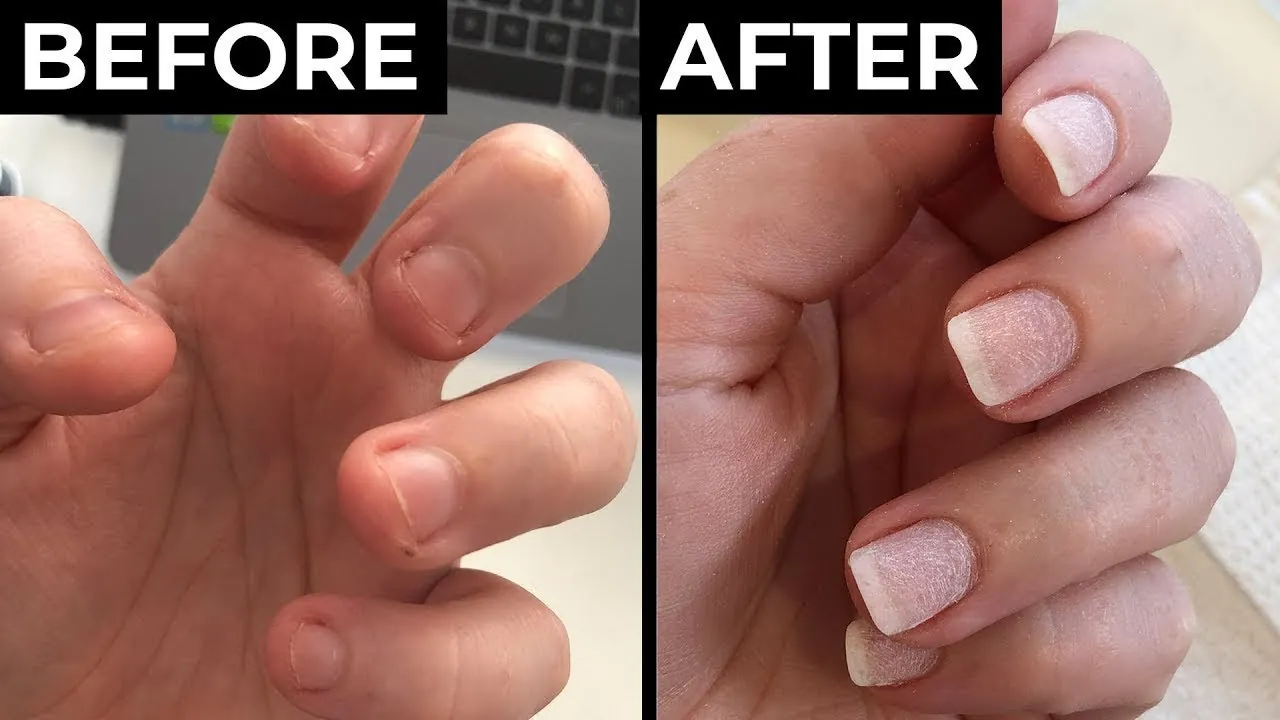
It’s funny how you never really think about your nails — until something happens to them. Maybe you accidentally slammed your finger in a door, or had a toenail surgically removed because of a stubborn infection. Suddenly, you’re checking your fingertips every day, wondering when they’ll look normal again. That’s where curiosity often begins: understanding the stages of nail regrowth after removal.
The truth is, nail regrowth isn’t a simple “wait and see” kind of thing. It’s actually a small biological masterpiece in motion — a mix of cell growth, keratin repair, and subtle coordination between your nail matrix, nail bed, and proximal nail fold. Every stage reflects a deeper healing process you don’t see on the surface. And honestly, it’s a little fascinating how your body knows exactly what to do once the trauma settles.
Now, the nail regrowth timeline varies a lot. Fingernails can take around 4–6 months, while toenails can need anywhere from 9 to 18 months, especially if they were lost due to medical removal or recurrent ingrown toenails. Factors like colder climates, circulation, diet, or even protein-building amino acids all play a quiet role behind the scenes.
You might not notice it, but beneath that tender patch of skin, thousands of cells are hard at work — producing layers of keratin, closing micro-wounds, and preparing a fresh nail plate to emerge. Understanding these stages of nail regrowth after removal isn’t just about patience — it’s about working with your body to make the healing process smoother and possibly even faster.
Understanding the Stages of Nail Regrowth After Removal
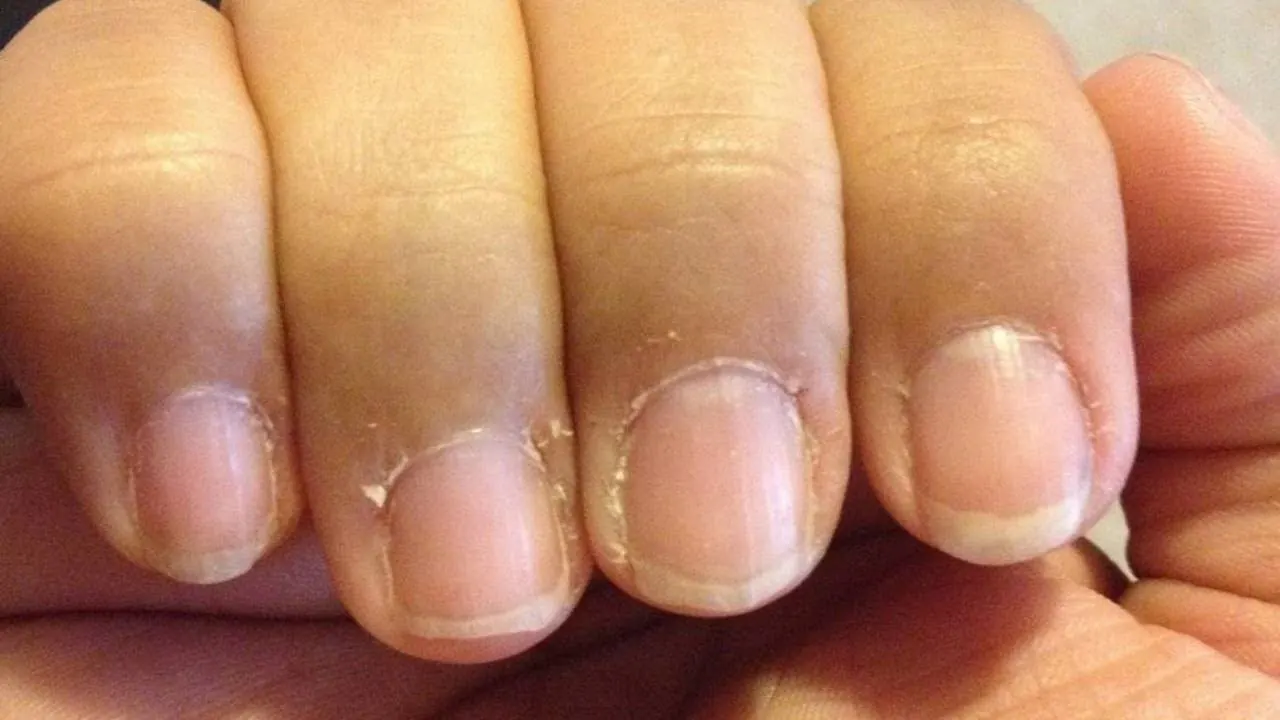
When a nail is removed—whether from trauma, surgery, or infection—it doesn’t just “grow back” overnight. The body follows a series of carefully timed biological steps that repair tissue, reactivate the nail matrix, and rebuild keratin layers from the inside out. These stages of nail regrowth after removal reveal just how intelligent your body’s healing system really is.
In the coming sections, we’ll break down each phase—from the initial trauma and inflammation to full nail restoration—so you’ll know exactly what to expect at every point. Understanding these stages can help you care for your nail bed more mindfully, prevent complications, and even speed up natural recovery through proper nutrition, hydration, and gentle care.
Think of this process as your nail’s comeback story: slow, steady, and guided by science.
I. Stage 1: Initial Trauma & Nail Removal
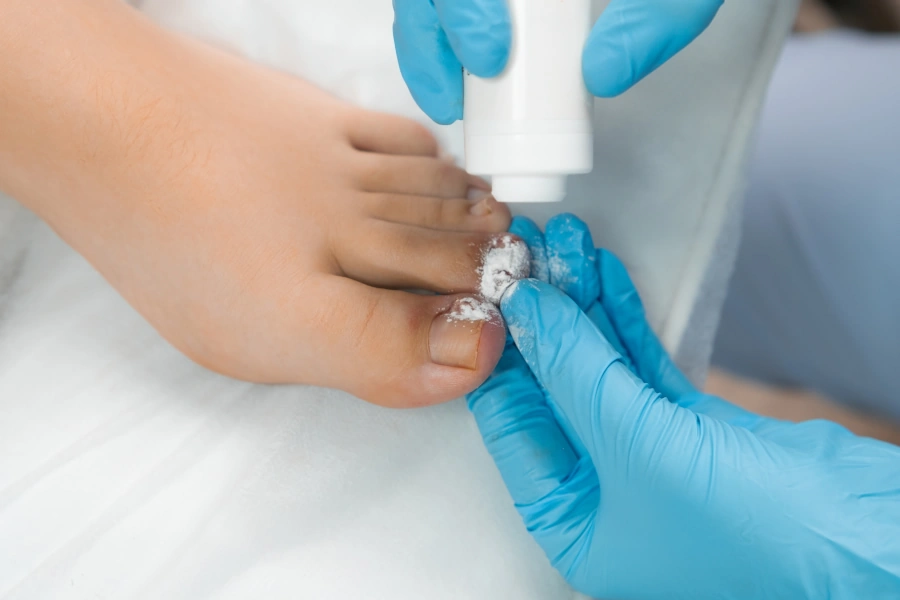
The first stage is honestly the toughest — not because it’s the most dramatic (though it might feel like it), but because it’s the one where you realize how delicate that area really is.
When the nail is removed — whether through surgical removal, an accident, or nail trauma — your nail bed becomes exposed. It’s soft, raw, and incredibly sensitive to wet environments, pressure, and temperature.
At this point, the inflammation response kicks in. Blood rushes to the site, bringing oxygen and immune cells to clear debris and prevent infection. This is your body’s built-in clean-up crew, though it might come with mild pain, redness, and a little swelling.
Here’s a breakdown of what usually happens right after the trauma:
| Step | What’s Happening | How to Support It |
| 1 | Nail separation or medical removal exposes the nail bed. | Keep the area clean with saline or mild antiseptic. |
| 2 | Inflammation begins to prevent infection. | Apply antibiotic ointment; avoid soaking. |
| 3 | Soft tissue repair and clot formation start. | Cover lightly with breathable gauze; use an ice pack or cold compress to ease swelling. |
| 4 | Initial healing starts within days. | Keep the wound dry and avoid tight shoes or gloves. |
And because infections are sneaky, it’s worth knowing when to worry.
Symptoms of infection include:
- Persistent redness that spreads beyond the injury site
- Throbbing pain or pus
- Dark discoloration or foul odor
- Warmth that doesn’t fade after a few days
If any of these appear, that’s your cue for medical attention — especially if you have underlying health conditions like diabetes or circulation problems.
🩹 Pro Tip: Don’t rush to cover the area 24/7. Give it short intervals to “breathe” — dry air exposure helps prevent fungal conditions and speeds up soft tissue recovery. Just make sure it’s in a clean, dust-free space.
The body will begin forming a temporary protective layer over the exposed nail bed — it’s delicate, but it’s a good sign. That means your healing process has officially begun, and your cells are already preparing for the next phase: inflammation and tissue repair.
II. Stage 2: Inflammation & Early Healing
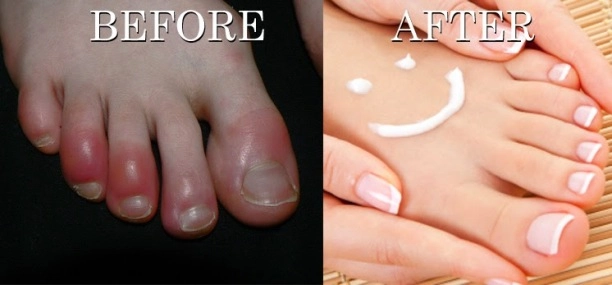
You’ll probably notice it before you even see it — that gentle throb, the faint redness, the almost invisible swelling that lets you know your body’s doing something. This is the inflammation stage. It sounds scary, but honestly, it’s part of the healing process — the cleanup phase before new life begins underneath.
When the nail is first removed, your body sends a flood of immune cells and platelets to the area. It’s like a small construction team moving in, clearing away bacteria, dead tissue, and any early symptoms of infection before they spread. You might see nail bed inflammation — redness, warmth, and tenderness that can last a few days. Totally normal.
But there’s a fine line between “healing” and “problem.”
If the pain intensifies, or you notice scaly patches, thickening of nails at the edges, or dark discoloration, that might be the start of a condition for fungus or even nail psoriasis setting in later. Symptoms of toenail fungus often begin subtly — tiny yellowish dots, mild odor, or a texture change.
A few things that make this stage smoother:
- Keep your hands and feet dry, especially if you’re in wet environments.
- Use a topical antibiotic ointment if your doctor recommended one.
- Gently elevate your foot or hand to reduce swelling.
- Maintain hydration — water helps circulation, and circulation means faster repair.
- Avoid OTC anti-inflammatory drugs unless the pain truly interferes with rest.
What’s happening here is deeper than it looks. The soft tissue is knitting itself back together; new capillaries are forming to increase blood flow, and the edges of your nail bed begin sealing from the inside out. If you look closely (and you will — everyone does), you might even see faint glistening tissue starting to form.
🩺 Pro Tip:
If you notice your wound looks shiny and slightly tight — that’s collagen forming. Don’t peel or pick at it. That sheen is your body’s natural “bandage,” sealing off the new skin beneath the proximal nail fold so it can build a foundation for later cell growth.
This entire phase is short-lived, usually lasting 5–10 days, but it determines how smooth your future nail grows. A well-healed nail bed now means a healthier, flatter nail plate later.
And just when the inflammation calms and things start to look “normal-ish,” the real magic — the hidden part — begins. That’s where the nail matrix comes in.
III. Stage 3: Nail Matrix Activation
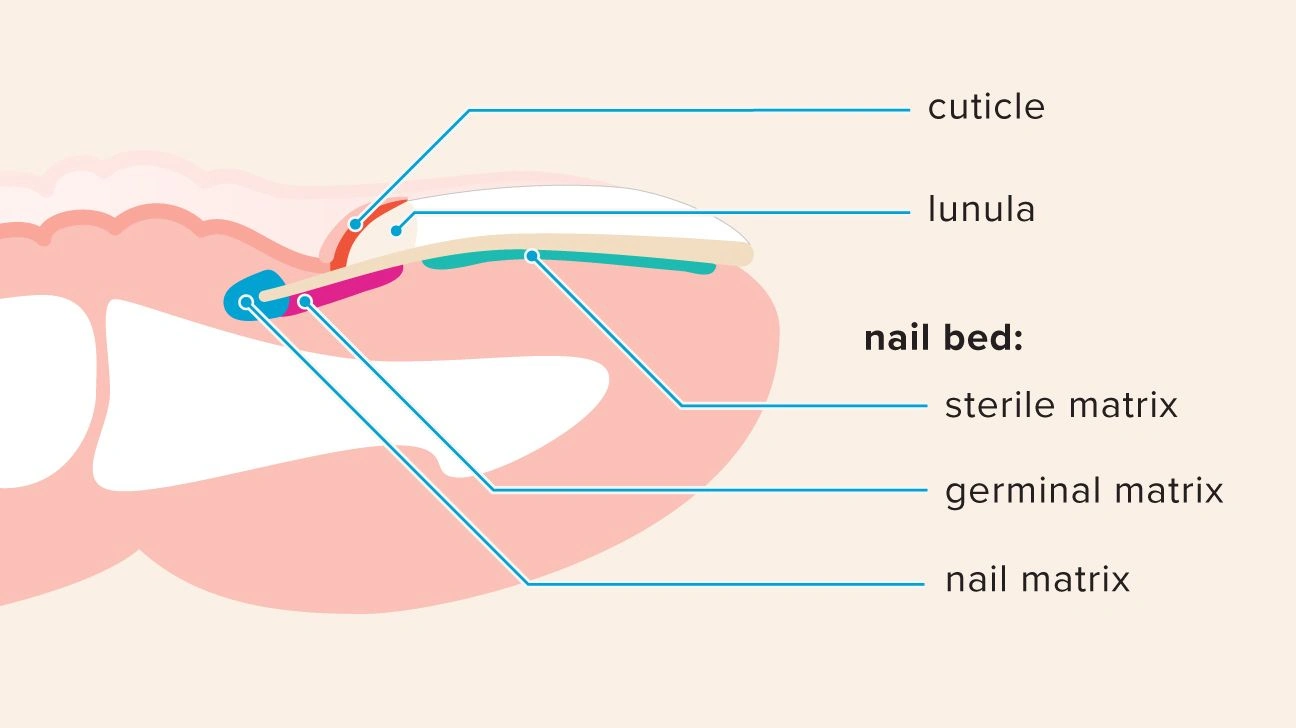
It’s quiet work — invisible to the eye, but vital. This is the part no one really talks about because you can’t see it. Deep under the proximal nail fold, your nail matrix (that small, whitish half-moon area called the lunula) wakes up and starts producing new cells. It’s the birthplace of every nail you’ll ever have.
Think of the nail matrix as a small factory fueled by nutrients, oxygen, and amino acids. It converts protein-building amino acids into keratin — the stuff your nail’s made of. But this process can be easily slowed down by poor circulation, nutrient deficiency, or even cold climates that limit blood flow to your fingertips and toes.
You won’t see new growth yet, but trust me, it’s happening.
Inside, keratinocytes multiply and push forward slowly, laying down the early structure of the new nail plate. The rate of regrowth can vary depending on your overall health and how clean or moisturized the area stays.
If you’re wondering what helps the most during this invisible stage — here’s what actually works (and what doesn’t).
| Supportive Habit | Why It Helps | Notes |
| Biotin & Zinc Supplements | Support natural nail strengthening and matrix productivity. | Use daily, but don’t expect overnight miracles — faster nail growth takes consistency. |
| Protein-Rich Diet | Provides amino acids for new keratin. | Think eggs, lentils, fish — foods that feed the matrix cells directly. |
| Massage & Warm Compress | Improves circulation and oxygenation in the area. | Especially helpful for toenail regrowth in colder weather. |
| Topical Oils (Jojoba, Vitamin E) | Hydrates and protects the nail bed and cuticle area. | Lightly massage daily — it keeps the matrix zone supple. |
🧠 Pro Tip:
If your nails are slow to start regrowing, it’s often not the trauma — it’s the nutrients. Try increasing foods high in biotin, iron, and omega-3s. They boost cell growth at the matrix level, improving both nail appearance and the speed of regrowth.
You might not see a new nail peek out for several weeks, and that can be frustrating. But this is the most crucial stage — the foundation for the rest. A strong matrix now means fewer nail pits, no uneven texture, and a much smoother nail surface down the line.
And soon, the proof will show — a faint, shiny curve at your cuticle that means the new nail emergence has officially begun.
IV. Stage 4: New Nail Emergence
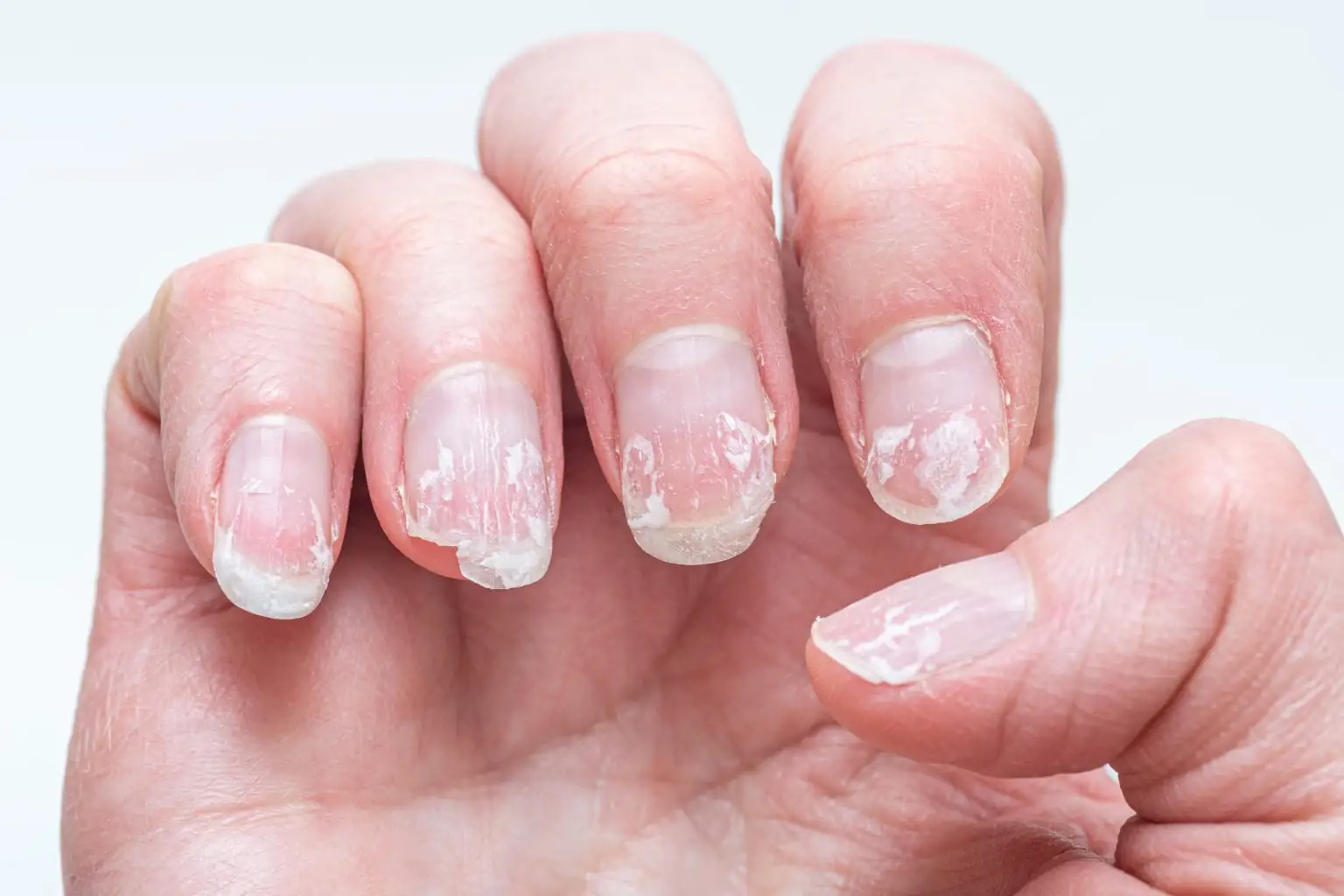
It’s kind of exciting — the first time you notice that faint, clear sliver pushing through the cuticle area. It’s not quite a nail yet, but it’s a sign that the nail matrix activation paid off. This stage — the new nail emergence — is when your body finally shows proof of all that unseen work.
You’ll likely spot a thin, translucent layer forming. It might look uneven, even a little strange — maybe with tiny ridges or a dull shine. Don’t panic. This is totally normal during stages of nail regrowth after removal. That early nail is fragile, and it still depends heavily on your nail bed for stability.
Here’s what most people don’t realize:
Your nail bed and soft tissue are still adjusting to pressure and oxygen. That’s why it’s important to protect the area while keeping circulation active. The more stable and nourished the foundation, the smoother your nail appearance will be in the long run.
If you want to support this phase, focus on:
- Gentle hydration with cuticle oil or vitamin E (prevents dryness and cracking).
- Avoiding nail polish, glue-on tips, or harsh treatments — they suffocate the delicate layer.
- Using light, breathable bandages if you need protection outdoors.
- Keeping the nail surface clean and dry between washes.
And yes — you can finally exhale a little. This is the visible beginning of healing.
| Concern | What You’ll Notice | What It Means |
| Uneven texture or ridges | Wavy or bumpy nail surface | Common during early nail regrowth timeline, resolves over time |
| Slight yellow tint | New keratin exposure to air | Normal, unless paired with odor or flaking (condition for fungus) |
| Softness or flexibility | Nail bends easily | Indicates low keratin density, improves with nutrients |
🩹 Pro Tip:
If your new nail feels soft or overly flexible, it’s probably lacking protein-building amino acids. Add more eggs, beans, or salmon to your meals — small shifts in nutrition can improve nail recovery faster than most topical products.
Some people notice nail separation or lifting at this point — especially on toenails that face pressure from shoes. If that happens, keep your toes safe with wider or average size footwear and apply topical steroids or OTC anti-inflammatory drugs if recommended by your doctor.
This stage can last a few weeks to a couple of months, depending on the rate of regrowth. By the end, your new nail plate begins to strengthen and harden — entering the next major phase of recovery.
V. Stage 5: Nail Plate Formation
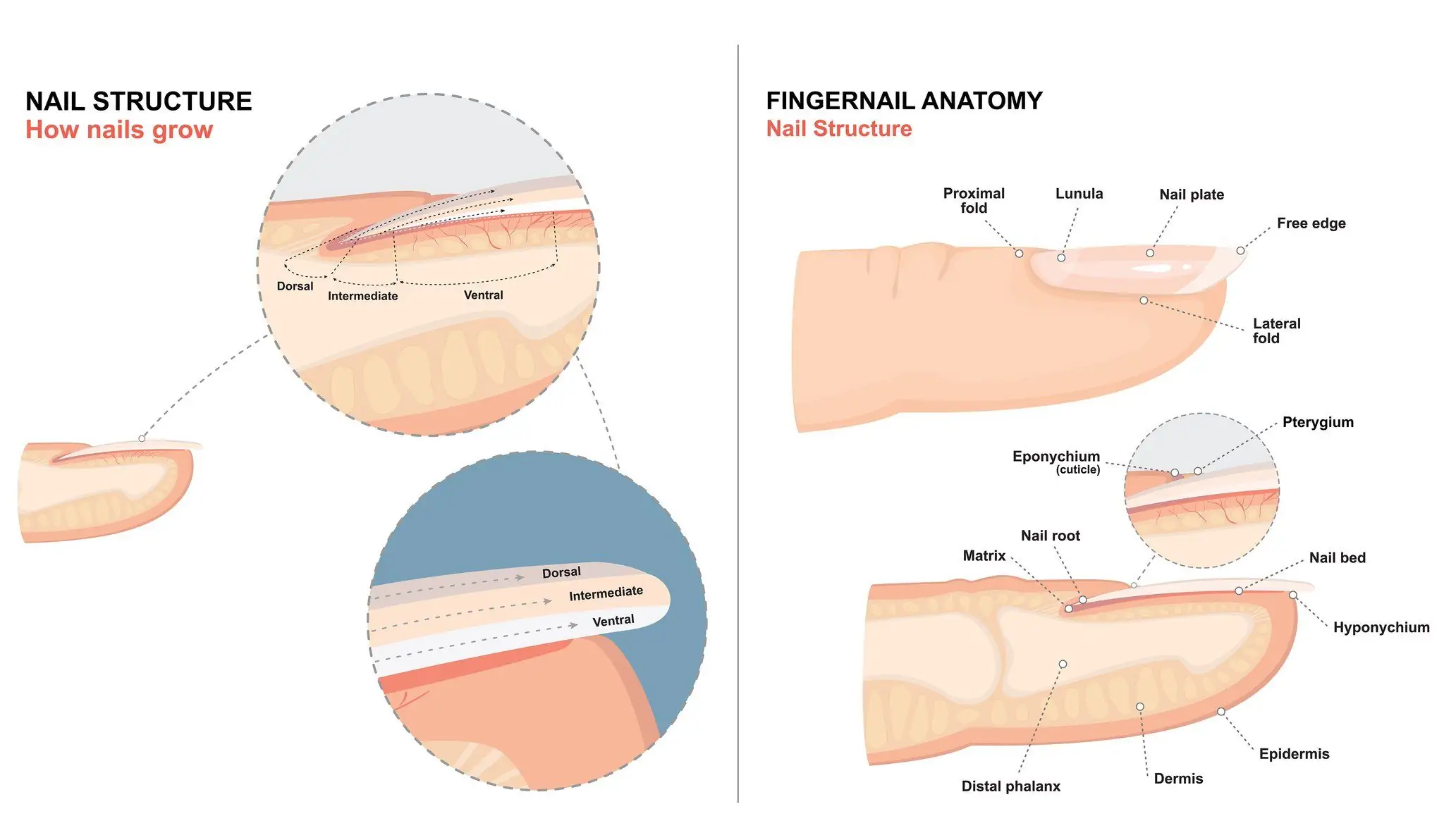
Now we’re entering the architectural phase — the one where your nail finally gains structure and resilience. The nail plate formation stage is where keratin layers compact and harden, transforming the soft new nail into something more durable.
But this transformation depends on your habits.
Too much water, aggressive manicures, or exposure to wet environments can weaken the forming layers. The goal here is balance — keeping your nail bed hydrated but not soggy, nourished but not smothered.
You might notice small imperfections: fine ridges, dull patches, or thickening of nails in certain spots. That’s just the body’s uneven pace of repair. Over time, the texture smooths out as the matrix continues pushing healthy cells upward.
Here’s a simple breakdown of what’s happening and what helps:
| Process | Description | How to Support It |
| Keratin Compaction | Nail layers harden and bond. | Maintain a diet rich in biotin, zinc, and omega-3 fatty acids. |
| Hydration Balance | Prevents brittleness and peeling. | Use natural oils like olive or coconut oil twice daily. |
| Protection Phase | The nail adapts to pressure and impact. | Avoid tight shoes, and wear gloves during cleaning tasks. |
If you’re a visual person, imagine this: the nail plate is like armor — thin but flexible, layered yet strong. Each week, a new layer forms beneath, pushing older layers outward. That’s how nail growth stages overlap slightly — one stage easing into the next without a clear break.
💡 Pro Tip: Want faster nail growth and better resilience? Gently massage your cuticle area once a day for 2–3 minutes. It stimulates increase of blood flow, improving oxygen delivery to the nail matrix. The more oxygen and nutrients available, the stronger each new layer forms.
By the end of this stage, your nail becomes visibly stable. It’s still slightly soft but can now handle mild pressure and daily activities. You’ll notice the nail surface health improving — fewer lines, a clearer sheen, maybe even that faint white half-moon returning.
The next phase is where integration happens — when the nail bed and nail plate fully connect, creating that seamless look and strong bond beneath the surface.
At this point, something subtle but important is happening — your new nail isn’t just growing; it’s connecting. This stage, the nail bed integration, is like a quiet handshake between the nail plate and the skin beneath it. You won’t see much from above, but underneath, new tissue is forming that locks the nail in place.
This phase determines how firmly your nail will attach long-term. If the bond between the nail bed and nail plate doesn’t form properly, you can get nail separation, lifting, or small gaps that trap moisture — and that’s an open invitation for fungus or infection.
So, yes, it’s a fragile period. You’re halfway between healing and full strength.
Here’s what’s working behind the scenes:
- Soft tissue adaptation — the skin adjusts to pressure from the growing nail.
- Keratin layering — each day adds density and resilience to the nail’s structure.
- Cell turnover — old cells slough away, replaced by newer, healthier tissue.
- Moisture regulation — your nail bed learns to balance hydration on its own again.
| Common Sign | What It Means | Care Tip |
| Mild lifting at edges | The nail hasn’t fully fused yet | Keep area moisturized, avoid trauma or scraping |
| Itchy or flaky skin | Over-drying or early fungus symptoms | Apply mild antifungal cream if needed |
| Nail feels “loose” when pressed | Weak bond formation | Reduce friction, avoid tight shoes or gloves |
🩹 Pro Tip:
Use a cold compress for a few minutes daily if you notice tenderness. It improves microcirculation while reducing inflammation. And don’t rush buffing or trimming — let the nail regrowth process complete this internal connection naturally.
If you notice symptoms of infection include swelling, warmth, or pus beneath the nail edge, contact a professional. Ignoring it could undo weeks of healing. Especially if you’ve had recurrent toenails or feet stopgrowing or medical removal, that fragile tissue deserves care — not pressure.
A balanced nail bed attachment at this stage leads to smoother regrowth later. By now, the rate of regrowth can slightly increase, especially if your nutrition and blood flow are optimal. Soon, the nail will not just be attached — it’ll start looking whole again.
VI. Stage 7: Surface Smoothing & Maturation

This is where you finally see beauty emerging — literally. The surface smoothing and maturation phase is when your nail begins refining itself: ridges soften, texture evens out, and that cloudy, uneven appearance gives way to a clearer shine.
But this stage isn’t just cosmetic. It’s a sign that your nail regrowth timeline is on track. As the nail matrix continues sending cells upward, microcirculation increases, helping nutrients reach the surface. You’ll feel more comfortable touching things again — less sensitivity, more stability.
You might also notice:
- Tiny ridges that fade as the nail appearance improves.
- A subtle thickening of nails, especially after toenail regrowth — is normal, as the nail adapts to stress.
- Small color shifts — from pale to pinkish — signaling better blood flow.
| Observation | Likely Reason | Solution |
| Slight dullness | Lack of surface oil | Apply a natural cuticle oil or coconut oil daily |
| Thin white patches | Minor dehydration | Rehydrate and protect from wet environments |
| Uneven texture | Nail bed still stabilizing | Avoid excessive buffing; allow nail surface health to self-correct |
🧴 Pro Tip:
Buff gently only when the nail feels firm — not before. Early buffing can strip thin keratin layers and delay nail surface health recovery. Use a fine-grit buffer, and follow with oil to lock in moisture.
You can also try mild prescription products or OTC anti-inflammatory drugs if your doctor advises — these help if your nail is thick or red from nail psoriasis or prior infection symptoms.
It’s worth mentioning that fingernails often complete this phase sooner — around 4–6 months, while toenails in colder climates can take 9–18 months due to slower circulation. The speed of regrowth varies for everyone.
When the ridges smooth out and your nail reflects light evenly, you’re officially transitioning from healing to strengthening — the next major phase of restoration.
VII. Stage 8: Full-Length Nail Growth
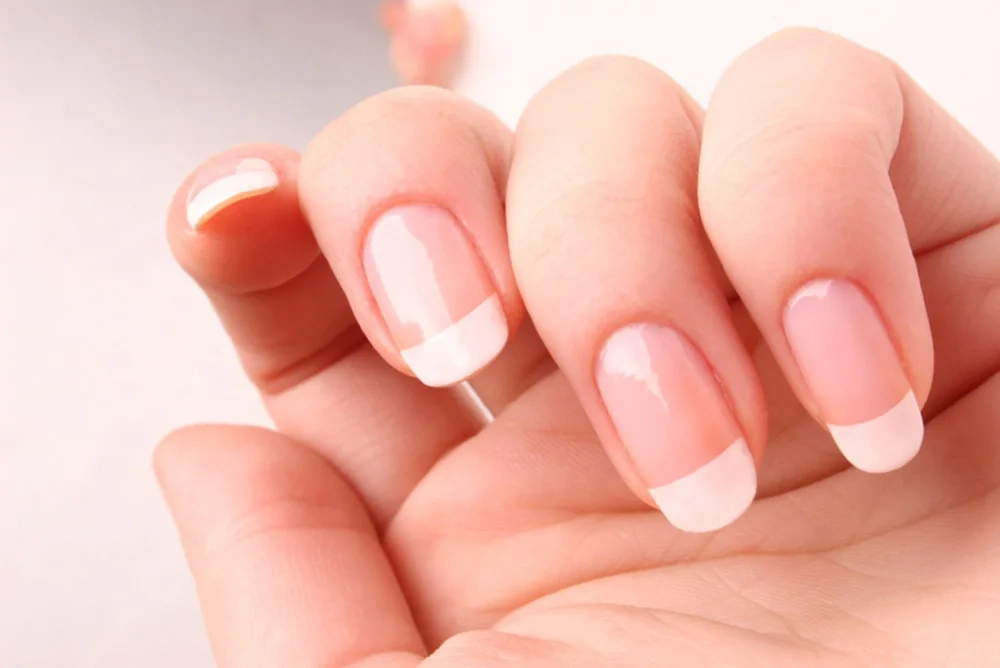
You’ve made it this far — and now, the satisfaction of seeing your nail regrow completely finally arrives. The full-length nail growth stage usually happens between 4 to 9 months for fingernails and up to 18 months for toenails, depending on health, nutrition, and circulation.
At this point, your nail looks “normal,” but it’s still maturing beneath the surface. The nail regrowth process doesn’t stop when you see length — it continues to harden, smooth, and align internally. The nail matrix, still active, builds fresh keratin layers that define your final nail strength.
Here’s what’s happening during this stage:
- Keratin alignment complete, making nails stronger and less prone to peeling.
- Blood flow normalization helps maintain a healthy pink tone.
- Cuticle regrowth protects the nail from infections and external damage.
- Surface shine gradually returns, marking complete nail recovery.
| Indicator | Meaning | What to Do |
| Nail looks clear and firm | Optimal keratin formation | Maintain hydration with oil or serum |
| Nail tip feels hard | Nail bed has matured | Trim and shape to prevent splitting |
| Occasional peeling or brittleness | Nutrient deficiency or dryness | Add biotin-rich foods or supplements |
💡 Pro Tip:
Add collagen powder, omega-3 fatty acids, or biotin to your diet. These nutrients are scientifically proven to boost healthy nail growth by strengthening keratin bonds. Hydration also matters — at least 2 liters of water daily keeps your nail plate flexible, not brittle.
At this stage, most people also start focusing on the appearance of nails — polishing, shaping, and painting. That’s fine, but moderation is key. Frequent use of harsh removers or gel polishes can reverse progress.
So, before your next manicure, give your newly regrown nail time to “breathe” and recover its natural lipid barrier.
VIII. Stage 9: Strengthening & Maintenance
This stage is where you go from healed to resilient. Your nail regrowth journey doesn’t just end — it transitions into lifelong care. The nail you’ve regrown is fresh, softer, and still adjusting to normal wear and tear. Without consistent nail maintenance, it can easily chip or separate again.
Here’s your strengthening blueprint:
1. Nourish from the inside
- Eat foods rich in zinc, iron, biotin, and vitamin E.
- Include leafy greens, salmon, nuts, and eggs for optimal nail recovery and strength.
2. Care externally
- Massage your nails with cuticle oil daily.
- Avoid prolonged water exposure — use gloves for chores.
- Don’t bite, peel, or over-trim your cuticles.
3. Lifestyle habits that protect nails
| Habit | Benefit |
| Moisturizing nightly | Prevents brittleness |
| Avoiding acetone removers | Preserves nail keratin |
| Regular trimming | Prevents splits and breaks |
| Mild buffing | Improves surface health |
💅 Pro Tip:
Try a nail-strengthening soak once a week: mix olive oil, lemon juice, and a few drops of vitamin E oil. Soak nails for 10–15 minutes. This easy home remedy enhances nail surface health and keeps your nails glossy and flexible.
If you had your nail surgically removed, continue gentle care for at least six months post-regrowth. The underlying tissue can still be sensitive — especially for toenails under pressure from shoes.
With time, your nail plate toughens up, and its natural defense layer reforms, protecting against damage. You’ll notice fewer chips, smoother texture, and a balanced, healthy glow — the hallmark of a fully recovered nail.
Common Problems During Nail Regrowth
Even with perfect care, your nail regrowth timeline might not follow a straight path. Nails are living tissues — fragile, reactive, and easily disrupted by small things like diet, trauma, or infection.
Here are the most common nail regrowth problems (and what they mean):
| Problem | Cause | Fix / Prevention |
| Ridges or uneven texture | Minor trauma during regrowth | Gently buff after full hardness forms; hydrate daily |
| Yellow discoloration | Fungal infection or poor hygiene | Use antifungal drops or tea tree oil |
| Slow regrowth | Nutrient deficiency or circulation issues | Eat protein-rich food, stay hydrated, massage cuticles |
| Split or brittle nails | Overuse of removers, dryness, or lack of keratin | Apply biotin oil, avoid acetone-based products |
| Pain under nail | Nail bed still sensitive | Avoid tight shoes or gloves; keep pressure off area |
| Lifting from nail bed (onycholysis) | Excess moisture or trauma | Keep nails dry; use protective bandages if needed |
When you spot early signs of infection, such as redness, warmth, swelling, or pus, it’s time to pause home remedies and seek a professional. Neglecting these signs can extend your nail healing process by weeks or even months.
You can also experience temporary numbness or tingling, especially after surgical nail removal — that’s your nerves recalibrating as blood flow returns.
💡 Pro Tip:
Use Epsom salt soaks once a week. It soothes inflammation, improves circulation, and keeps your nail bed recovery clean — especially after ingrown nail treatment or trauma.
Another underestimated factor? Stress. High cortisol levels delay cellular repair and slow the rate of regrowth. Try deep breathing, light yoga, or even a quick walk — simple, free tools that support real healing from within.
Complete Nail Regrowth Timeline
So, how long does it really take for your nail to grow back after removal? It depends — but understanding the stages of nail regrowth after removal helps set real expectations.
Here’s a general nail regrowth timeline table (average rates):
| Nail Type | Visible Growth | Full Regrowth | Complete Strength Recovery |
| Fingernail (hand) | 2–4 weeks | 4–6 months | 6–8 months |
| Toenail (foot) | 4–8 weeks | 9–18 months | 12–20 months |
| After surgical removal | 6–10 weeks | 12–18 months | 15–24 months |
| After trauma (e.g., crush injury) | 3–6 weeks | 9–15 months | 12–18 months |
Of course, age, diet, blood flow, and health conditions can shift that timeline. People with diabetes, thyroid issues, or poor circulation may experience delayed nail growth after injury, while those with balanced nutrition and care often see faster results.
Conclusion
The stages of nail regrowth after removal aren’t just about appearance — they’re a quiet reminder of how resilient your body truly is. Maybe the process feels slow, frustrating, even endless at times. But each tiny ridge, each pink shimmer of new keratin, means your body is still working for you — rebuilding what was lost.
If there’s one truth here, it’s this: nail healing takes time, patience, and gentle consistency. Feed your nails well, protect them daily, and listen to their subtle signals. Before long, you’ll look down and realize — the nail that once fell off has returned, stronger and healthier than before.
And maybe, in a way, it teaches you something — that healing isn’t always visible, but it’s happening quietly underneath. Each stages of nail regrowth after removal from the first sting to the final shine, mirrors recovery in every other part of life. It’s proof that growth — even slow, uneven growth — still counts.
Frequently Asked Questions (Faq’s)
1. What are the stages of nail regrowth?
Nail regrowth happens in stages — starting from new nail cell formation, followed by visible growth, thickening, and final hardening of the nail plate. Proper care and nutrition during each stage can significantly enhance the quality and strength of the regrown nail.
2. How long does it take for a nail to grow back after removal?
Fingernails usually take 4–6 months, while toenails can take 9–12 months to grow back completely after removal. Factors like age, nutrition, and overall health can also influence how quickly your nails regenerate.
3. What does regrowth look like after toenail removal?
In the beginning, the new nail appears thin, soft, and slightly uneven before gradually becoming smooth and firm. This transformation indicates that keratin layers are strengthening and the nail matrix is actively producing healthy new cells.
4. What are the signs of good nail growth?
Healthy nail growth shows a smooth surface, pinkish color, no ridges or discoloration, and steady monthly length increase. Consistent hydration and a nutrient-rich diet help maintain this natural shine and resilience over time.
5. What are the five stages of nail growth?
The five stages are matrix formation, nail bed attachment, visible emergence, thickening, and full nail maturation. Each stage plays a vital role in rebuilding nail strength, shape, and overall appearance as your nail gradually returns to normal.
6. What are common problems during nail regrowth?
Infection, ingrown edges, nail ridges, or slow growth are common issues that can affect healthy regrowth. Maintaining proper hygiene and nourishing your body with essential vitamins can help minimize these problems and support smoother nail recovery.
7. How long does it take to heal after nail removal?
It generally takes 2–6 weeks for the nail bed to heal, depending on care and the extent of removal. Keeping the area protected and avoiding pressure during this time can significantly speed up recovery.
8. How do I know my nail will grow back?
If the nail matrix (growth center) isn’t damaged, your nail will start showing new growth within a few weeks. Full regrowth, however, can take several months depending on your age, health, and whether it’s a fingernail or toenail.
9. How to protect a nail during regrowth?
Keep the area clean, moisturized, and covered with breathable bandages to prevent trauma or infection. Regularly change the dressing and watch for signs of redness or discharge, which could indicate early infection.
10. When can I start wearing shoes after toenail removal?
You can usually wear open-toed shoes after a few days and closed shoes once pain and swelling subside—typically 2–3 weeks. However, it’s best to start with loose, breathable footwear to avoid pressure and give your nail bed extra time to heal fully.