


A lot of people notice that their skin color can change over time. Uneven skin or dark patches may be caused by sun exposure, stress, lifestyle choices, and occasional changes in hormones.
For some, this may only be a minor cosmetic issue, but for others, it can make them feel less confident and comfortable in their daily lives. There are a lot of creams, serums, and home remedies that say they can help, but figuring out which ones will really make your skin look better can be hard or confusing. In real life, the way to see real progress usually involves a mix of patience, regular care, and at times assistance from experts.
Understanding Options and Realistic Expectations
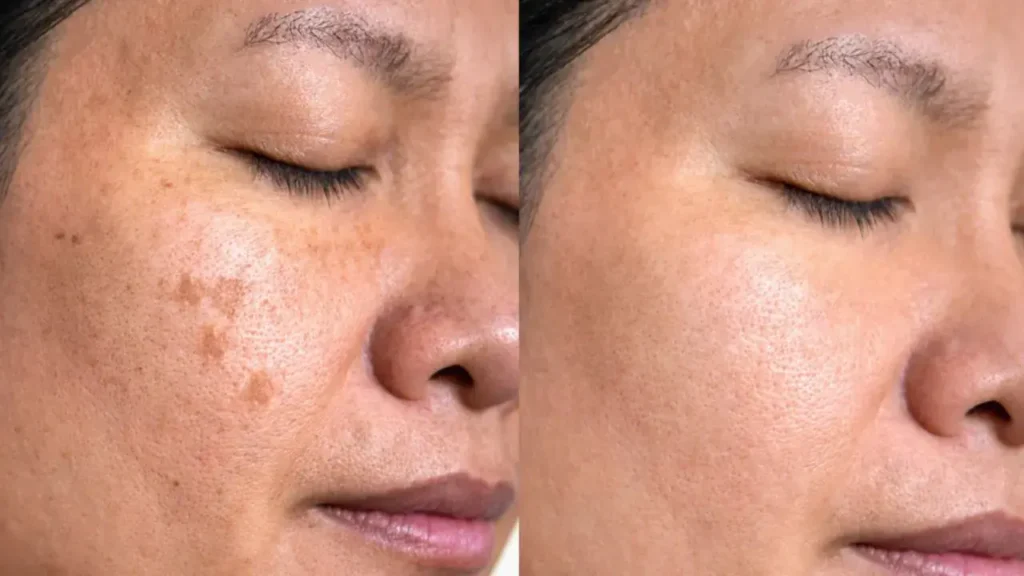
If you want to do your pigmentation treatment in Singapore, you may find that there are a lot of options that depend on the type of skin you have, how severe your pigmentation is, and what you want to achieve. Because everyone’s skin reacts differently, it’s not always easy to guess what will happen.
Some people may see results from light treatments right away, while others may need more intense or repeated treatments to see a change. People don’t always know how important it is to combine treatments with habits that keep you healthy. Sometimes sunscreen, daily cleansing, and paying close attention to how you take care of your skin can make a big difference in the results, even if the treatments work.
Many cosmetic clinics in Singapore provide treatments like chemical peels, laser therapies, and light-based therapies. These are meant to get rid of extra pigmentation, speed up the development of new cells, or make more collagen. In some cases, they may also help the skin look more even by slowly fading dark spots. You might need more than one session, and the results might not be seen right away, depending on the method. Some treatments may also make the skin look red or sensitive for quite a while. At first, this can be scary, but it’s usually normal and goes away in a few days.
Patients often use topical solutions with procedures. Creams with antioxidants, vitamin C, or certain exfoliating acids can sometimes work well with professional treatments. People often use them every day for weeks or months, which can help keep improvements or stop small changes in skin color from getting worse. It seems that the best way to make a difference is to combine treatments with preventive measures, but this may not be true for everyone.
Common Treatments Approaches
Laser and Light-Based Therapies
Laser therapies aim to target melanin within the skin, breaking down excess pigment while attempting to preserve surrounding tissue. For many, this can be effective in improving uneven tone. However, it should be noted that not every skin type responds in the same way, and the intensity or wavelength of the laser might need to be adjusted carefully. Sessions are typically spaced out to allow the skin to recover, and sometimes multiple follow-ups are recommended. In some cases, people may notice temporary darkening before lightening occurs, which can understandably be confusing or concerning if one is not prepared.
Chemical Peels
Chemical peels, ranging from mild to deeper formulations, are often intended to encourage the shedding of outer skin layers. By doing so, superficial pigmentation may be reduced, and a fresher layer of skin becomes more visible. The effect is usually incremental, and post-procedure care is critical. People sometimes underestimate the need to follow instructions carefully, especially regarding sun protection and gentle cleansing, and that can impact overall results. Some people may also experience mild peeling or flaking, which is usually temporary but can make daily routines slightly inconvenient.
Skincare and Topical Interventions
In addition to in-clinic procedures, professional advice often includes targeted topical treatments. Ingredients like vitamin C, niacinamide, or certain lightening agents may be recommended. These can subtly support pigmentation reduction over time. Again, results are usually gradual, and consistent application is often necessary for noticeable benefits. Combining topical care with procedural interventions can sometimes offer better outcomes than either approach alone.
Lifestyle Considerations
Even with treatments, lifestyle habits remain significant. Daily sun protection, avoidance of excessive heat or tanning, and gentle skincare routines may help maintain the results of pigmentation treatments. For some individuals, diet, hydration, sleep quality, and stress management can indirectly influence skin health. While it is not a guarantee, incorporating these factors alongside professional care may be possible to enhance and prolong results.
When to Seek Professional Help
Seek guidance from a qualified dermatologist or aesthetic clinician if:
- Pigmentation seems to worsen or spread despite home care
- Over-the-counter products fail to produce noticeable improvements
- You experience redness, irritation, or unusual reactions after treatments
- Multiple skin concerns coexist, such as acne scars with pigmentation
- You are unsure which procedure is safest or most suitable for your skin type
Professional evaluation can often clarify the most appropriate approach and may reduce the risk of ineffective or damaging attempts at self-treatment.
Maintaining a Balanced and Radiant Appearance
Achieving a more even and brighter complexion is often a gradual process. In many cases, combining in-clinic treatments with diligent home care provides the best chance of noticeable improvement. It is often worth acknowledging that minor setbacks or temporary fluctuations may occur, and patience is important. Following professional recommendations, integrating preventive measures, and understanding that results may appear over time rather than instantly can help set realistic expectations.
Commonly Asked Questions
1. How quickly can I expect to see changes in pigmentation?
Results often develop over weeks to months, depending on the treatment type and individual skin response.
2. Are pigmentation treatments painful?
Most procedures are usually tolerable, though mild discomfort, tingling, or warmth may be experienced during certain sessions.
3. Can pigmentation come back after treatment?
Without consistent preventive measures, pigmentation may return, though professional follow-up care can help reduce this risk.
4. How many sessions are typically needed?
This varies widely; some individuals may need only a few sessions, while others require multiple appointments to achieve desired results.
5. Are there side effects I should be concerned about?
Temporary redness, slight peeling, or mild irritation can occur, but these effects often subside with proper post-care guidance.
Next Steps
If uneven skin tone or dark patches have been a concern, it may be useful to arrange a consultation with a qualified aesthetic clinician. Personalized assessment can help determine the combination of treatments and daily care strategies that might work best. Maintaining realistic expectations, following guidance carefully, and incorporating preventive habits often supports more lasting and satisfying results, even if the journey requires patience and ongoing attention.