

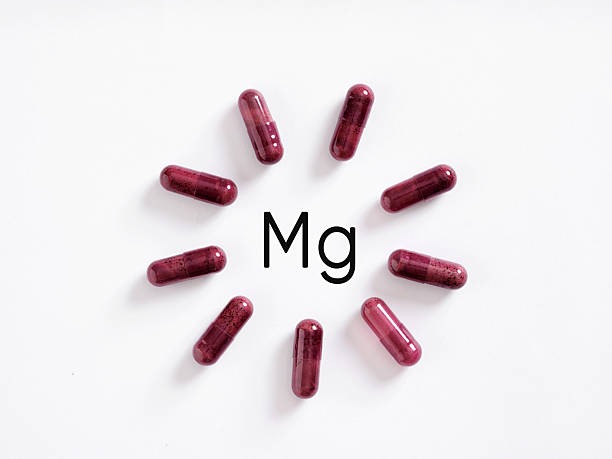
Magnesium is a mineral that is important and required in the human body for over 300 biochemical reactions. These reactions include muscle relaxation, nerve functions, energy production and regulation of blood sugar levels and maintaining bone health.
Most individuals do not take adequate amounts of magnesium in their day-to-day routine and deficiency in it may cause serious problems with health. Below are a few warning signs that your body is deficient in magnesium.
Frequent muscle Cramps
Muscle cramps, twitches, or spasms are considered one of the first and the most frequent symptoms of magnesium deficiency. Magnesium is known to relax the muscles following their contractions. Low levels will cause a situation where the muscles will easily contract and will not be able to release properly resulting in painful cramps especially in the legs and feet.
In this case, regular muscle stiffness or inexplicable twitching occurs. However, individuals can take magnesium from food like green leafy vegetables, nuts, pumpkin seeds, etc. If one cannot take it from food, they can use magnesium supplements like magtein after consulting their doctor to fulfil the deficiency.
2 . Persistent fatigue even after rest
Magnesium deficiency may manifest itself in feeling fatigued even with a full-time sleep. At the cellular level, conversion of food to energy requires magnesium. It makes your body hard to generate sufficient energy causing fatigue and even laziness when you lack enough of it.
This kind of exhaustion is usually chronic and cannot be treated by rest.
3. Feeling unusual anxiety or Stress
Magnesium is able to relax the nervous system. It assists in balancing neurotransmitters that affect mood/stress reactions. A decrease in magnesium can make an individual continuously anxious, or irritable.
Magnesium may also be stripped off by continuous stress, and is cyclical as stress reduces magnesium, which further lowers stress.
4. Facing insomnia or struggling to fall asleep
Magnesium deficiency can be one of the causes in case you find it difficult to fall and stay asleep. Magnesium is useful to activate neurotransmitters that bring about relaxation and healthy production of melatonin.
The reduced level of magnesium present may complicate the body to relax completely at night resulting in insomnia or interrupted sleep
5. Heart palpitations
Magnesium is also important in ensuring that the heartbeat is steady by facilitating the appropriate electrical action in the heart. Deficient levels of magnesium can lead to the experience of heart palpitations, fluttering or irregular heart rhythm.
Even though it should not be overlooked, magnesium deficiency has been established as one of the causes of cardiovascular imbalance and may be included as a potential factor.
Conclusion
Magnesium is a silent giant nutrient, which aids almost all the body systems. The lack of it may manifest its symptoms very slowly, therefore, it is easy to be sidestepped by its symptoms as caused by stress or age. Nevertheless, it is possible to mitigate this danger by identifying the signs of warning early enough to avoid more severe health complications in the future.