

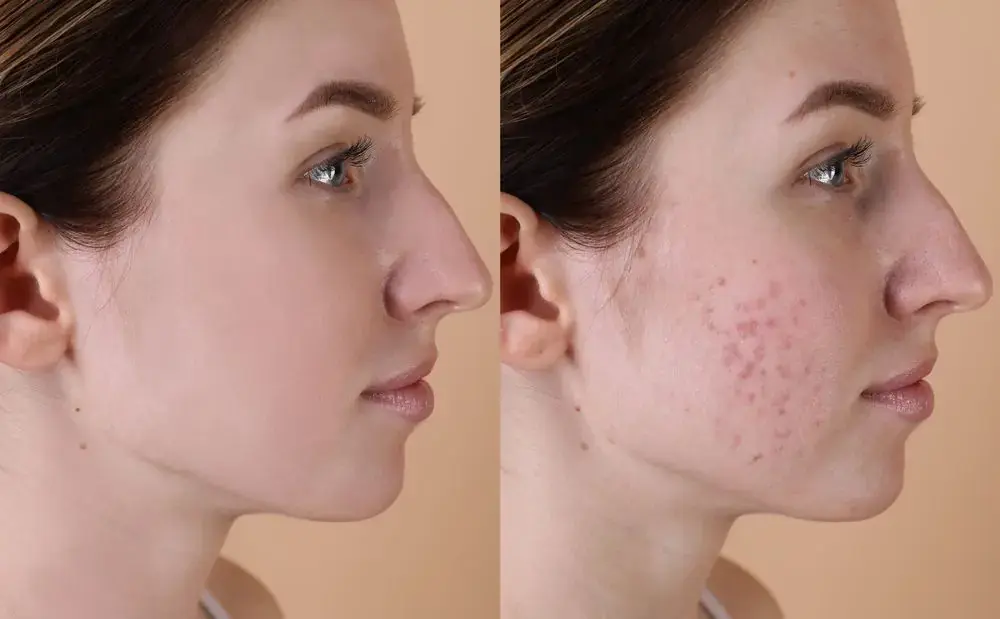
Acne scars are a concern for many people, sometimes lingering long after active breakouts have subsided. The marks they leave can range from shallow indentations to deeper, more noticeable pits, affecting not only the skin’s appearance but also confidence. While some scars may fade gradually over time, many remain stubbornly visible, prompting individuals to seek more targeted solutions.
Cosmetic Acne Scar Treatments offer a variety of options, from topical therapies to advanced procedures, designed specifically to reduce the appearance of these persistent marks and restore smoother, healthier-looking skin.
Managing these scars is not always straightforward, as skin behavior varies widely between individuals and even between areas of the same face. It is common to hear people express frustration about inconsistent results from over-the-counter products, and in practice, the options available through professional care often provide more structured approaches to improving skin texture.
Understanding Cosmetic Approaches
In many dermatology clinics, acne scar treatment in Singapore is considered for patients seeking noticeable improvement in skin smoothness and texture. While it is not always possible to completely erase scars, professional interventions can help reduce their appearance, making the skin surface appear more even.
Treatments within Cosmetic Acne Scar Treatments are often selected based on the type of scarring, which can be categorized broadly as icepick, boxcar, or rolling scars. Each type may respond differently to various techniques, and sometimes a combination of approaches may be recommended to achieve the best possible results. Furthermore, patient lifestyle, skin sensitivity, and healing response also play an important role in determining which method may be most effective.
It is important to recognize that these treatments often aim to stimulate the skin’s natural repair mechanisms rather than provide an instant fix. Procedures may promote collagen production, encourage skin renewal, or help to resurface the affected areas. Depending on the severity of the scars and individual healing tendencies, multiple sessions may be needed to see gradual improvement. In many cases, patients report that the skin feels smoother and looks more uniform after a series of treatments, although perfection is rarely guaranteed.
Common Cosmetic Treatments
Laser-Based Treatments
Laser therapy is one of the more frequently used methods within Cosmetic Acne Scar Treatments for addressing acne scars. These procedures work by targeting specific layers of the skin, stimulating collagen production and promoting cell turnover. In practice, the depth and type of laser used may be adjusted to match the scar type and skin sensitivity.
Some people notice subtle changes after the first session, but generally, a series of treatments spaced over several weeks is recommended. Recovery time may vary; mild redness or swelling is often expected and can resolve within days. Unfortunately, results are not always uniform, and in some cases, touch-up sessions may be needed.
Microneedling and Radiofrequency Microneedling
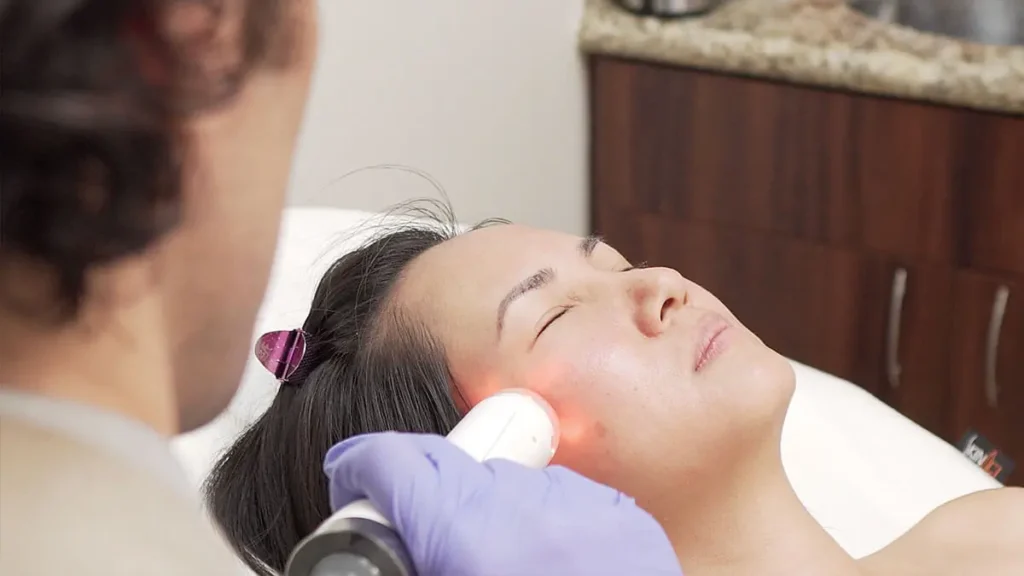
Microneedling has gained popularity as a minimally invasive option that can improve skin texture by creating controlled micro-injuries. These tiny punctures stimulate the skin’s natural healing response, promoting collagen and elastin production. When combined with radiofrequency energy, the treatment may enhance the effect, particularly for deeper scars.
While generally considered safe, some people may experience temporary redness or mild discomfort following the procedure. Multiple sessions are usually required, and gradual improvement is often more realistic than dramatic immediate results.
Chemical Peels and Topical Support
Chemical peels may also be employed to help improve skin texture. By removing superficial layers of skin, peels can encourage regeneration of smoother, healthier skin. Mild peels may be suitable for sensitive skin types, whereas stronger formulations might be considered for more pronounced scarring.
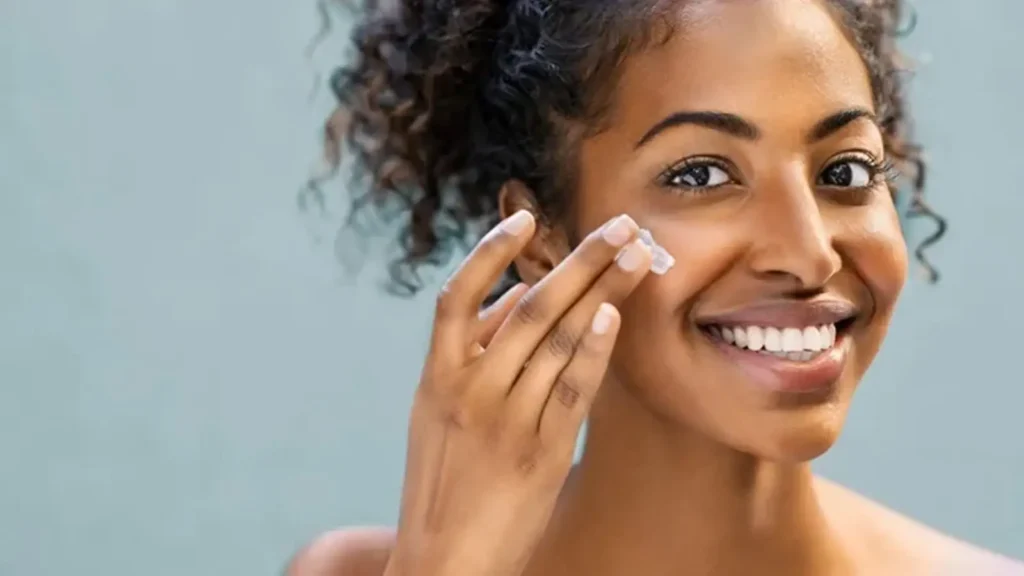
Topical agents, such as retinoids or growth factor serums, may be applied alongside in-office treatments to support collagen remodeling and skin renewal. While these measures can enhance outcomes, consistency and patient adherence to post-treatment care often influence the results significantly.
Setting Realistic Expectations
It is essential for anyone considering cosmetic acne scar treatments to have a realistic understanding of what can be achieved. In many cases, significant improvement is possible, but complete elimination of scars may not be attainable. Results can also vary depending on individual healing capacity, scar type, and adherence to recommended aftercare.
Patients often find that improvement with Cosmetic Acne Scar Treatments occurs gradually, with subtle changes building up over time rather than appearing instantly. Furthermore, environmental factors such as sun exposure or skin irritation can influence the results, making ongoing care and protection an essential part of the overall treatment process.
When to Seek Professional Help
It may be advisable to consult a dermatologist or qualified aesthetic professional under the following circumstances:
- Scars are causing significant distress or impacting self-esteem
- Over-the-counter products have not provided noticeable improvement
- Scars are deep, widespread, or varied in type
- Previous treatments caused irritation or unexpected side effects
- Personalized assessment is needed to determine safe and effective procedures
Professional evaluation can help clarify which treatment options are most suitable and provide guidance on expected outcomes, recovery, and maintenance.
Achieving Smoother Skin Over Time
While cosmetic treatments for acne scars are not a one-size-fits-all solution, a combination of carefully selected procedures and diligent post-care can often lead to meaningful improvement in skin texture. Patients may find that their skin appears smoother, more even, and that certain scars become less noticeable over several weeks or months.
Preventive care, including sun protection, gentle cleansing, and hydration, can help sustain results and reduce the risk of additional skin damage. In practice, patience and realistic expectations are key, as improvement tends to be gradual rather than instantaneous.
Final Thought
In the end, while acne scars can feel frustrating and persistent, there are effective ways to address them. Cosmetic Acne Scar Treatments provide targeted solutions that can help restore confidence and reveal smoother, healthier-looking skin. Remember, every scar tells a story, but with the right care, you can help your skin write a new chapter.
Commonly Asked Questions
1. How many sessions are usually needed for noticeable improvement?
The number varies based on scar severity and type; some patients may see changes after a few treatments, while others may require multiple sessions spaced over several months.
2. Is there significant downtime after these treatments?
Downtime is often minimal, but some temporary redness, swelling, or peeling can occur depending on the procedure used.
3. Can acne scars completely disappear?
While reduction is generally possible, complete elimination of scars is rarely guaranteed. Improvement may be gradual and cumulative rather than immediate.
4. Are treatments safe for sensitive skin?
Many procedures can be adapted for sensitive skin, though gentler methods or lower-intensity sessions may be recommended to minimize irritation.
5. Are results permanent?
Results can be long-lasting, but new scars or changes in skin behavior over time may necessitate future treatments or touch-ups.