
In recent years, I’ve noticed a growing number of clients asking about trending “quick fixes” for weight loss—especially viral drinks like the Japanese Pink Salt Recipe for Weight Loss. From TikTok trends to celebrity-inspired routines like oprah’s pink salt recipe, the promise is often the same: faster metabolism, fat burning, and effortless slimming.
But here’s where clinical reality matters. After working with individuals managing weight, hormonal imbalances, and metabolic health for over a decade, I can confidently say this: no single ingredient—salt included—drives meaningful fat loss on its own.
The Japanese Pink Salt Recipe for Weight Loss has gained popularity largely due to its simplicity and perceived “natural” benefits. However, understanding what it actually does inside the body is essential before incorporating it into your routine.
In this evidence-based guide, we’ll break down:
- What Japanese pink salt really is
- Whether it supports weight management
- How to use it safely (if at all)
- And what science—and clinical experience—actually supports
🔹 What is Japanese Pink Salt?

✔ Origin & Reality Check
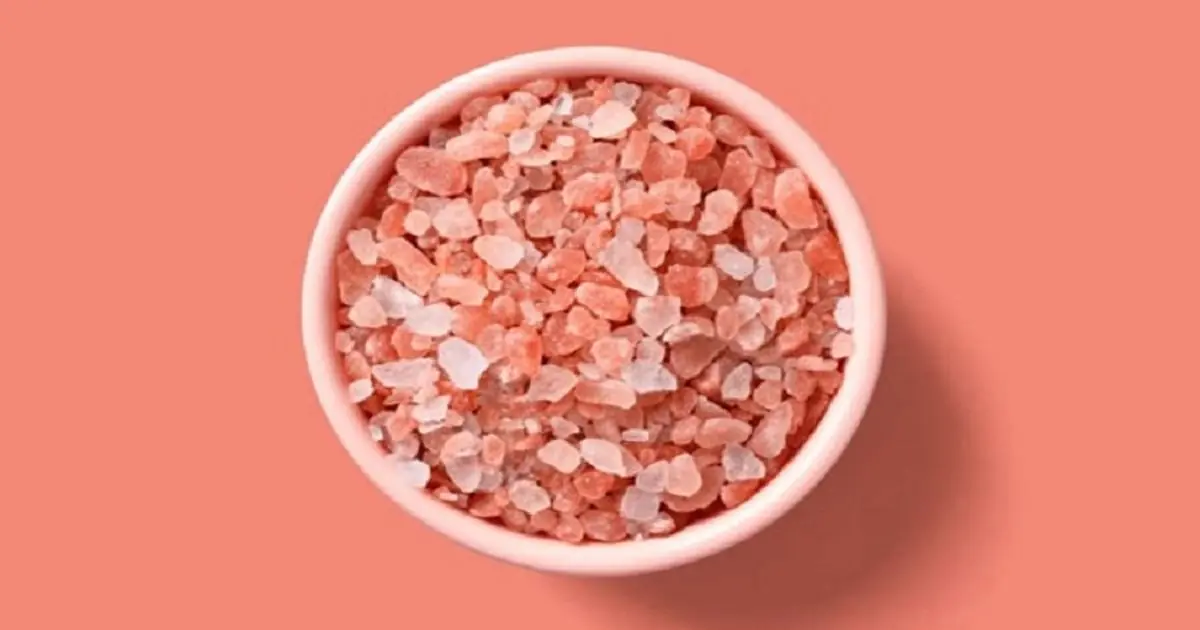
Despite the name, “Japanese pink salt” is often a marketing term rather than a geographically unique product. In clinical nutrition discussions, we usually compare it to Himalayan pink salt or other mineral salts.
Some varieties marketed as korean pink salt or Japanese salt may differ slightly in processing, but nutritionally, they function very similarly.
✔ Mineral Composition
Pink salts typically contain trace minerals such as:
- Magnesium
- Potassium
- Calcium
However, these are present in very small amounts, not enough to significantly impact metabolism or fat loss.
✔ Comparison Table
| Type | Processing Level | Minerals Present | Sodium Content |
| Table Salt | Highly refined | Minimal | ~97–99% sodium |
| Pink Salt | Less processed | Trace minerals | ~97–98% sodium |
From a clinical standpoint, sodium content remains the dominant factor—regardless of the salt type.
🔹 Japanese Pink Salt for Weight Loss: Claims vs Reality

✔ Popular Claims
Many viral trends—including japanese pink salt recipe for weight loss tiktok—suggest:
- Faster metabolism
- Increased fat burning
- Body “detoxification”
- Reduced cravings
✔ Clinical Reality
While these claims are appealing, current scientific evidence does not support direct fat-burning effects from salt.
In practice, what I observe is more subtle:
- Improved hydration when combined with water
- Slight appetite awareness due to mindful consumption
- Better adherence to meals due to flavor enhancement
However, these are indirect lifestyle benefits—not metabolic fat loss mechanisms.
It’s similar to how people interpret unrelated signals—almost like asking, What does it mean when you dream about someone?—we often assign deeper meaning where science shows a simpler explanation.
🔹 The Science Behind Pink Salt & Weight Loss
Research published in journals like The American Journal of Clinical Nutrition consistently emphasizes that weight loss is driven by energy balance, not specific salt types.
✔ Role of Sodium in the Body
Sodium plays a role in:
- Fluid balance
- Nerve transmission
- Muscle contraction
When people report quick “weight loss” after trying recipes like:
- baking soda and pink salt in water weight loss
- pink salt apple cider vinegar baking soda weight loss recipe
…it’s typically due to temporary water loss, not fat reduction.
✔ Key Insight
👉 Temporary weight drop ≠ actual fat loss
In clinical monitoring, true fat loss requires:
- Caloric deficit
- Hormonal balance
- Consistent lifestyle habits
🔹 Japanese Pink Salt Recipe for Weight Loss (Evidence-Based Use)
The Japanese Pink Salt Recipe for Weight Loss is often promoted as a morning ritual.
✔ Basic Recipe
Ingredients:
- 1 glass warm water
- A small pinch of pink salt
- Optional: lemon juice
Preparation:
- Warm the water (not boiling)
- Add a pinch of salt
- Stir until dissolved
- Drink on an empty stomach
This version is safer compared to extreme variations like:
- japanese pink salt recipe with baking soda for weight loss
- pink salt recipe with baking soda
✔ Clinical Perspective on Benefits
From a professional standpoint, this routine may:
- Support morning hydration
- Stimulate digestion mildly
- Encourage mindful eating habits
However, it does not replace structured nutrition planning.
✔ Pro Tip
Excess sodium intake can increase blood pressure—so moderation is critical.
🔹 How to Use Japanese Pink Salt Correctly
If you choose to try the Japanese Pink Salt Recipe for Weight Loss, use it responsibly:
- Replace regular salt—not add extra
- Limit total sodium intake
- Avoid combining with unsafe mixtures
According to the World Health Organization (WHO), daily sodium intake should remain below 2,000 mg.
In practice, I advise clients to:
- Focus on whole foods
- Monitor salt intake across all meals
- Avoid stacking multiple “salt-based” trends
🔹 Common Mistakes People Make
In clinical consultations, I frequently see these patterns:
- Overusing salt, assuming “natural = safe”
- Expecting rapid fat loss
- Following viral advice without context (japanese pink salt recipe for weight loss reddit)
- Ignoring core lifestyle factors
This pattern is similar to individuals asking What to do if you hate your life—looking for quick solutions instead of addressing deeper, sustainable changes.
🔹 Potential Benefits (Realistic View)
When used appropriately, pink salt may:
- Support hydration
- Enhance meal satisfaction
- Help maintain electrolyte balance
However, these benefits are supportive—not transformative.
🔹 Side Effects & Risks
Excessive intake can lead to:
- High blood pressure
- Fluid retention
- Kidney strain
⚠ Not recommended for:
- Hypertension patients
- Kidney disease
- Heart conditions
Always consult a healthcare provider before trying trends like:
- himalayan salt and apple cider vinegar for weight loss
🔹 Japanese Pink Salt vs Regular Salt
From a scientific perspective:
- Taste differs slightly
- Mineral content is marginally higher
- Health impact is nearly identical
In dermatology discussions—similar to Cosmetic Acne Scar Treatments or Treatments Deliver Both Even Tone and Brighter Skin—the effectiveness depends more on overall protocol, not a single ingredient.
🔹 Does Japanese Pink Salt Really Work for Weight Loss?
✔ Evidence-Based Answer
❌ It does not directly cause fat loss
✅ It may support healthy habits when used correctly
The Japanese Pink Salt Recipe for Weight Loss should be viewed as a supportive routine—not a solution.
Final Thoughts
The Japanese Pink Salt Recipe for Weight Loss is not inherently harmful when used in moderation and within recommended sodium limits, but it is frequently misunderstood and often overhyped—especially on social media platforms.
From a clinical perspective, its role is supportive at best, primarily aiding hydration and potentially encouraging mindful eating habits rather than directly influencing fat loss.
Sustainable weight management, as consistently supported by research and real-world practice, relies on a combination of balanced nutrition, regular physical activity, adequate sleep, and long-term behavioral consistency—not single-ingredient solutions or quick-fix trends. While incorporating small habits like this recipe may complement a healthy routine, meaningful and lasting results come from a comprehensive, evidence-based approach tailored to individual health needs.